- Belfry of Ghent and Cloth Hall: story on the “Ghent: River, Market, and Three Towers” route
The tower chest and the removed bell show how a city's rights could be kept in documents—and taken away by a single verdict.
- Book Tower: story on the “Ghent's Museum Quarter: from Citadelpark to Bijloke” route
Here, a dispute over the library’s form becomes the story of protracted construction and the personal cost of the idea.
- Citadelpark: story on the “Ghent's Museum Quarter: from Citadelpark to Bijloke” route
The park landscape preserves the trace of a vanished fortress and the split within its garrison.
- Coyendanspark: story on the “At Ghent's Origins: Rivers and the Abbey Quarter” route
It will explain the hornbeam outline of the church as a trace of the punishment imposed on the rebellious city.
- De Reep: story on the “At Ghent's Origins: Rivers and the Abbey Quarter” route
Shows how one city decision removed the water, while another returned it to its former course.
- Graslei: story on the “Ghent: River, Market, and Three Towers” route
One façade shows how an established right over someone else’s cargo became a steady income.
- Gravensteen: story on the “Gravensteen and Patershol: Power in Old Ghent” route
The castle will make it possible to distinguish the twelfth-century fortress from the medieval image assembled by later restorers.
- GUM (Ghent University Museum) and Ghent University Botanical Garden: story on the “Ghent's Museum Quarter: from Citadelpark to Bijloke” route
This stop links a scientific garden, teaching collections, and two university relocations on one site.
- Korenlei: story on the “Ghent: River, Market, and Three Towers” route
The guildhall will make it possible to see the difference between corporate dignity and real equality at work.
- Korenmarkt and St Nicholas' Church: story on the “Ghent: River, Market, and Three Towers” route
The square and church will connect the compulsory sale of grain with the people who paid for the church beside the place of trade.
- Kraanlei and the House of Alijn: story on the “Gravensteen and Patershol: Power in Old Ghent” route
The history of the almshouse will connect a family crime with a long civic obligation.
- Museum of Fine Arts, Ghent (MSK): story on the “Ghent's Museum Quarter: from Citadelpark to Bijloke” route
Here, restoration becomes a choice between two historical layers of a single masterpiece.
- Old Fish Market: story on the “Gravensteen and Patershol: Power in Old Ghent” route
The market’s rebuilding shows how urban order changed the everyday work of women fish vendors.
- Patershol: story on the “Gravensteen and Patershol: Power in Old Ghent” route
One closed passage explains how the name of a monastic corridor came to belong to an entire neighborhood.
- Portus Ganda: story on the “At Ghent's Origins: Rivers and the Abbey Quarter” route
It will show why a trading settlement arose precisely at the confluence of the rivers and how its name passed to the city.
- S.M.A.K. (Municipal Museum of Contemporary Art): story on the “Ghent's Museum Quarter: from Citadelpark to Bijloke” route
This stop shows how much personal struggle the city's collection needed in order to gain a home of its own.
- Saint Bavo's Abbey: story on the “At Ghent's Origins: Rivers and the Abbey Quarter” route
It will show why the ruins look at once uncovered, stabilized, and partly reassembled.
- Saint Macharius Church: story on the “At Ghent's Origins: Rivers and the Abbey Quarter” route
It will show how an unverifiable legend about a pilgrim became an enduring local cult.
- Sint-Pietersplein: story on the “Ghent's Museum Quarter: from Citadelpark to Bijloke” route
The square will help you see how urban reform lost out to the fairground workers’ calendar.
- Sint-Veerleplein: story on the “Gravensteen and Patershol: Power in Old Ghent” route
This is where the route begins its story of how the count's court brought power out of the castle and onto the city square.
- St Bavo's Cathedral: story on the “Ghent: River, Market, and Three Towers” route
The family chapel will conclude the route with the story of patrons who provided for commemoration after their deaths.
- St Michael's Bridge: story on the “Ghent: River, Market, and Three Towers” route
The high arch provides a shared vantage point and raises the route's first question: who had to give way on the old crossing.
- STAM – Ghent City Museum: story on the “Ghent's Museum Quarter: from Citadelpark to Bijloke” route
The finale will show how care for the sick shaped the layout of the Bijloke complex for seven and a half centuries.
- The Great Dulle Griet Cannon: story on the “Gravensteen and Patershol: Power in Old Ghent” route
The transport of an enormous bombard will reveal the gap between a military symbol and a usable weapon.
- Van Eyck Swimming Pool: story on the “At Ghent's Origins: Rivers and the Abbey Quarter” route
Connects working-class daily life, public hygiene, and today's Art Deco interior.
- Veermanplein: story on the “At Ghent's Origins: Rivers and the Abbey Quarter” route
It preserves the memory of a vanished street through two occupations of its residents—a ferryman and a singer.
- Vrijdagmarkt: story on the “Gravensteen and Patershol: Power in Old Ghent” route
The finale will bring together the wool trade, a legal loophole, and the political choice of the Flemish cities.
Nearest audio-route stop: Belfry of Ghent and Cloth Hall — 80 m in a straight line, route Ghent: River, Market, and Three Towers
Nearest audio-route stop: Vrijdagmarkt — 100 m in a straight line, route Gravensteen and Patershol: Power in Old Ghent
Nearest audio-route stop: STAM – Ghent City Museum — 60 m in a straight line, route Ghent's Museum Quarter: from Citadelpark to Bijloke
Nearest audio-route stop: St Bavo's Cathedral — 120 m in a straight line, route Ghent: River, Market, and Three Towers
Nearest audio-route stop: Korenmarkt and St Nicholas' Church — 50 m in a straight line, route Ghent: River, Market, and Three Towers
Nearest audio-route stop: Graslei — 100 m in a straight line, route Ghent: River, Market, and Three Towers
Nearest audio-route stop: Belfry of Ghent and Cloth Hall — 90 m in a straight line, route Ghent: River, Market, and Three Towers
Nearest audio-route stop: Old Fish Market — 70 m in a straight line, route Gravensteen and Patershol: Power in Old Ghent
Nearest audio-route stop: Belfry of Ghent and Cloth Hall — 90 m in a straight line, route Ghent: River, Market, and Three Towers
Nearest audio-route stop: Korenlei — 50 m in a straight line, route Ghent: River, Market, and Three Towers
Nearest audio-route stop: Vrijdagmarkt — 20 m in a straight line, route Gravensteen and Patershol: Power in Old Ghent
Nearest audio-route stop: Old Fish Market — 120 m in a straight line, route Gravensteen and Patershol: Power in Old Ghent
Nearest audio-route stop: Old Fish Market — 100 m in a straight line, route Gravensteen and Patershol: Power in Old Ghent
Nearest audio-route stop: Kraanlei and the House of Alijn — 30 m in a straight line, route Gravensteen and Patershol: Power in Old Ghent
Nearest audio-route stop: Korenlei — 40 m in a straight line, route Ghent: River, Market, and Three Towers
Nearest audio-route stop: Korenmarkt and St Nicholas' Church — 50 m in a straight line, route Ghent: River, Market, and Three Towers
Nearest audio-route stop: S.M.A.K. (Municipal Museum of Contemporary Art) — 120 m in a straight line, route Ghent's Museum Quarter: from Citadelpark to Bijloke
Nearest audio-route stop: St Michael's Bridge — 130 m in a straight line, route Ghent: River, Market, and Three Towers
Nearest audio-route stop: Saint Bavo's Abbey — 30 m in a straight line, route At Ghent's Origins: Rivers and the Abbey Quarter
Nearest audio-route stop: St Michael's Bridge — 60 m in a straight line, route Ghent: River, Market, and Three Towers
Nearest audio-route stop: Old Fish Market — 40 m in a straight line, route Gravensteen and Patershol: Power in Old Ghent
Nearest audio-route stop: STAM – Ghent City Museum — 100 m in a straight line, route Ghent's Museum Quarter: from Citadelpark to Bijloke
Nearest audio-route stop: STAM – Ghent City Museum — 100 m in a straight line, route Ghent's Museum Quarter: from Citadelpark to Bijloke
Nearest audio-route stop: Belfry of Ghent and Cloth Hall — 50 m in a straight line, route Ghent: River, Market, and Three Towers
Nearest audio-route stop: St Michael's Bridge — 110 m in a straight line, route Ghent: River, Market, and Three Towers
Nearest audio-route stop: Korenmarkt and St Nicholas' Church — 40 m in a straight line, route Ghent: River, Market, and Three Towers
Nearest audio-route stop: Sint-Pietersplein — 140 m in a straight line, route Ghent's Museum Quarter: from Citadelpark to Bijloke
Nearest audio-route stop: Sint-Pietersplein — 120 m in a straight line, route Ghent's Museum Quarter: from Citadelpark to Bijloke
Nearest audio-route stop: Vrijdagmarkt — 80 m in a straight line, route Gravensteen and Patershol: Power in Old Ghent
Nearest audio-route stop: Old Fish Market — 20 m in a straight line, route Gravensteen and Patershol: Power in Old Ghent
Nearest audio-route stop: Coyendanspark — 70 m in a straight line, route At Ghent's Origins: Rivers and the Abbey Quarter
Nearest audio-route stop: De Reep — 80 m in a straight line, route At Ghent's Origins: Rivers and the Abbey Quarter
Nearest audio-route stop: St Bavo's Cathedral — 20 m in a straight line, route Ghent: River, Market, and Three Towers
Nearest audio-route stop: Belfry of Ghent and Cloth Hall — 60 m in a straight line, route Ghent: River, Market, and Three Towers
Nearest audio-route stop: STAM – Ghent City Museum — 40 m in a straight line, route Ghent's Museum Quarter: from Citadelpark to Bijloke
Nearest audio-route stop: S.M.A.K. (Municipal Museum of Contemporary Art) — 40 m in a straight line, route Ghent's Museum Quarter: from Citadelpark to Bijloke
Nearest audio-route stop: Vrijdagmarkt — 40 m in a straight line, route Gravensteen and Patershol: Power in Old Ghent
Nearest audio-route stop: Patershol — 50 m in a straight line, route Gravensteen and Patershol: Power in Old Ghent
Nearest audio-route stop: Patershol — 100 m in a straight line, route Gravensteen and Patershol: Power in Old Ghent
Nearest audio-route stop: Vrijdagmarkt — 80 m in a straight line, route Gravensteen and Patershol: Power in Old Ghent
 Guide On Map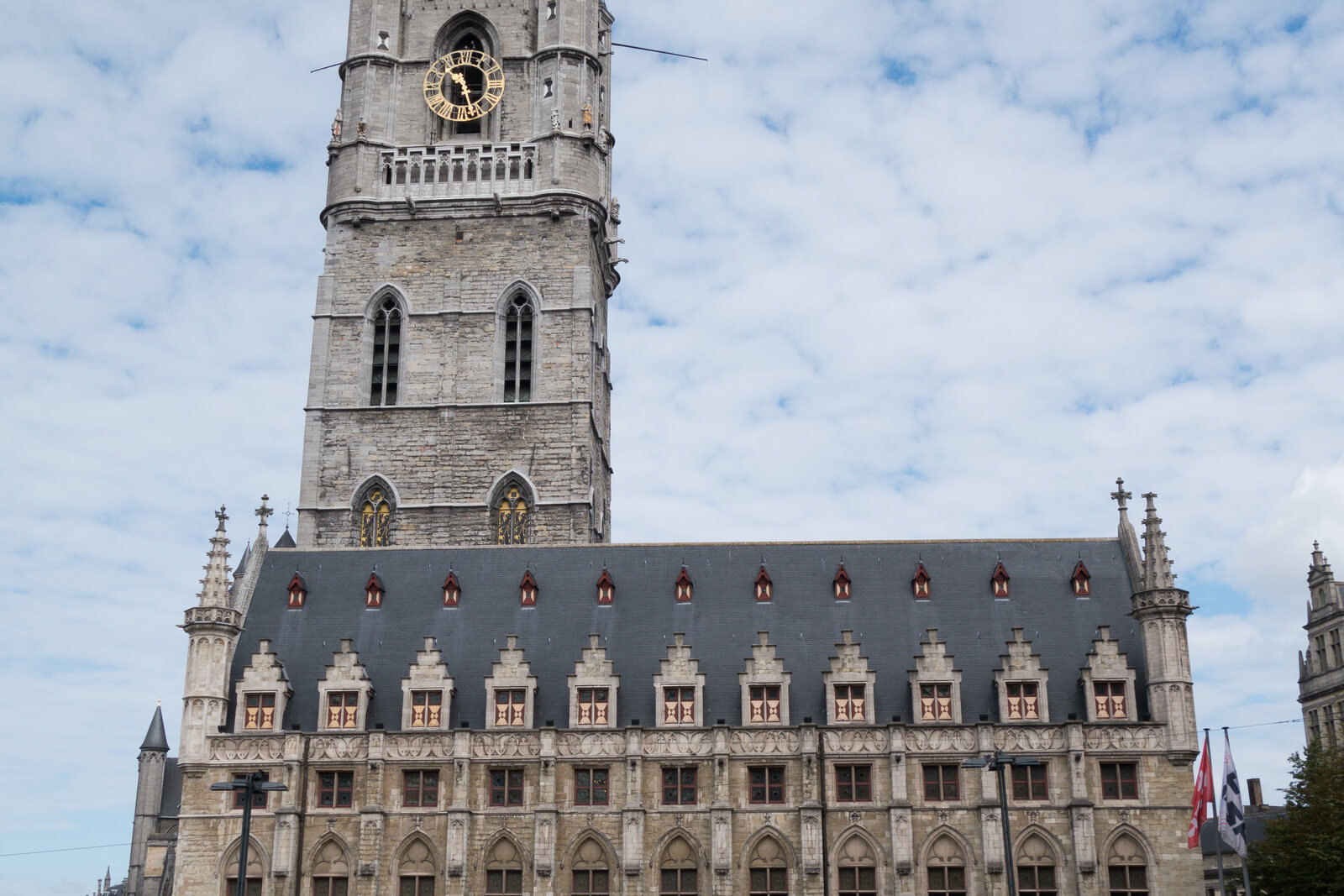
.jpg)