August Revolution Square and the Hanoi Opera House History August Revolution Square and the Hanoi Opera House: story on the “Hanoi’s French Quarter: How Power Changed” route The square will help explain how civil servants and underground activists turned an official rally into the beginning of a change of power.
Ba Dinh Square History Ba Dinh Square: story on the “Hanoi’s Power: From Thang Long to Ba Dinh” route A temporary platform will help reconstruct the day when the republic first appeared before the city’s residents.
Doan Mon Gate History Doan Mon Gate: story on the “Hanoi’s Power: From Thang Long to Ba Dinh” route Five passageways will show how court hierarchy was embedded in the architecture itself.
Dong Xuan Market History Dong Xuan Market: story on the “Hoan Kiem Lake and Hanoi Old Quarter: From Guilds to the Red River” route The market's layout will help explain why the route out of the encircled quarter was decided here.
Eastern edge by Tran Nhat Duat Street History Eastern edge by Tran Nhat Duat Street: story on the “Hoan Kiem Lake and Hanoi Old Quarter: From Guilds to the Red River” route The final stop shows how residents and artists restored the Hanoi Old Quarter's connection with Phuc Tan.
Eighteen Hoang Dieu Archaeological Site History Eighteen Hoang Dieu Archaeological Site: story on the “Hanoi’s Power: From Thang Long to Ba Dinh” route Here, the finds will prove more important than the construction site for which the archaeologists began their work.
Fine Arts Museum: objects with nowhere to return to History Fine Arts Museum: objects with nowhere to return to: story on the “Learned Hanoi: Memory Behind the Temple of Literature Walls” route It carries the theme of memory from carved names to the fate of an object saved at the cost of breaking with its former place.
Hang Bac History Hang Bac: story on the “Hoan Kiem Lake and Hanoi Old Quarter: From Guilds to the Red River” route The surviving communal house will explain why the artisans did not leave the street after losing the court commission.
Hanoi Flag Tower History Hanoi Flag Tower: story on the “Hanoi’s Power: From Thang Long to Ba Dinh” route The overnight climb explains why the main act of the ceremonial event took place without spectators.
Heavenly Clarity: Names in Stone History Heavenly Clarity: Names in Stone: story on the “Learned Hanoi: Memory Behind the Temple of Literature Walls” route It shows how examination success was turned into a public obligation.
Ho Chi Minh Mausoleum and the One Pillar Pagoda History Ho Chi Minh Mausoleum and the One Pillar Pagoda: story on the “Hanoi’s Power: From Thang Long to Ba Dinh” route Two neighboring monuments complete the route with stories of will, loss, and restoration.
Hoa Lo Prison History Hoa Lo Prison: story on the “Hanoi’s French Quarter: How Power Changed” route This stop links the workings of a colonial prison to the people who managed to return from it to underground work.
House 67 History House 67: story on the “Hanoi’s Power: From Thang Long to Ba Dinh” route One room links wartime meetings with the final weeks of the president's life.
Khue Van: a star above the road History Khue Van: a star above the road: story on the “Learned Hanoi: Memory Behind the Temple of Literature Walls” route It will link the change of dynasty and of the academy’s status to the most recognizable symbol of scholarly Hanoi.
Kinh Thien Palace Platform History Kinh Thien Palace Platform: story on the “Hanoi’s Power: From Thang Long to Ba Dinh” route The surviving staircase marks the place where an unauthorized victory was turned into recognized rank.
Lenin Park History Lenin Park: story on the “Learned Hanoi: Memory Behind the Temple of Literature Walls” route It will show how an official space acquired a new memory created by the urban community.
Nha Tho Street History Nha Tho Street: story on the “Hanoi’s French Quarter: How Power Changed” route The short approach to the cathedral shows how an administrative redevelopment acquired everyday urban life.
North Gate of the Hanoi Citadel History North Gate of the Hanoi Citadel: story on the “Hanoi’s Power: From Thang Long to Ba Dinh” route Two shell holes link the surviving masonry to the choice made by the citadel’s defenders.
Sofitel Legend Metropole Hanoi and Its Bomb Shelter History Sofitel Legend Metropole Hanoi and Its Bomb Shelter: story on the “Hanoi’s French Quarter: How Power Changed” route Behind the hotel facade, the story of a recording made on one night during air raids will unfold.
St. Joseph's Cathedral History St. Joseph's Cathedral: story on the “Hanoi’s French Quarter: How Power Changed” route This is where the story begins of the price the Catholic community paid to gain a new main church.
Temple of Literature Gate History Temple of Literature Gate: story on the “Learned Hanoi: Memory Behind the Temple of Literature Walls” route It sets the boundary at which respect for learning temporarily ranked above status.
Thai Hoc Courtyard History Thai Hoc Courtyard: story on the “Learned Hanoi: Memory Behind the Temple of Literature Walls” route What it cost the teacher to place moral duty above his court position.
The Northern Shore of Hoan Kiem Lake History The Northern Shore of Hoan Kiem Lake: story on the “Hoan Kiem Lake and Hanoi Old Quarter: From Guilds to the Red River” route The name of the square leads to free classes above family shops and to the reason they were closed.
The Threshold of Hang Gai Street and Hang Dao Street History The Threshold of Hang Gai Street and Hang Dao Street: story on the “Hoan Kiem Lake and Hanoi Old Quarter: From Guilds to the Red River” route Here, the street names turn out to be the result of a struggle for customers and for the permitted range of goods.
Trang Tien Street History Trang Tien Street: story on the “Hanoi’s French Quarter: How Power Changed” route Here, a street name leads to a vanished mint, its workers, and furnaces found beneath a shopping center.
Turtle Tower History Turtle Tower: story on the “Hoan Kiem Lake and Hanoi Old Quarter: From Guilds to the Red River” route The islet will show what risk was required for a single sign visible across the whole city.
Van Lake: a Reading Room over the Water History Van Lake: a Reading Room over the Water: story on the “Learned Hanoi: Memory Behind the Temple of Literature Walls” route It will show that the scholarly culture of the Temple of Literature began beyond its fence and could disappear even from city records.
Vietnam National Museum of History History Vietnam National Museum of History: story on the “Hanoi’s French Quarter: How Power Changed” route The final stop will show how former Asian collections were assembled into the country’s history for a new public.
Al-Noor Mosque Sacred sites AON Hanoi Landmark Tower History August Cinema Museums B-52 Victory Museum Museums Ba Ðình Square Streets and squares Nearest audio-route stop: Eighteen Hoang Dieu Archaeological Site — 60 m in a straight line, route Hanoi’s Power: From Thang Long to Ba Dinh
Bach Ma temple Sacred sites Bát Tràng Pottery Museum Museums Chí Linh Park Streets and squares Chùa Hà Sacred sites Chương Dương Bridge History Co Loa Citadel History Cua Bac Church Sacred sites Daewoo overpass History Đại La History Dan Chu Cinema Museums Dao Xuyen budhist temple Sacred sites Đình Ba Dân Museums Đống Đa Mound History Đông Kinh Nghĩa Thục Square Streets and squares Nearest audio-route stop: The Threshold of Hang Gai Street and Hang Dao Street — 150 m in a straight line, route Hoan Kiem Lake and Hanoi Old Quarter: From Guilds to the Red River
Dong Tru Bridge History Duong River Bridge History Emperor Lê Thái Tổ Monument History Nearest audio-route stop: The Northern Shore of Hoan Kiem Lake — 40 m in a straight line, route Hoan Kiem Lake and Hanoi Old Quarter: From Guilds to the Red River
Fansland Cinema Museums Hai Bà Trưng Temple Sacred sites Ham Long Church Sacred sites Hang Bong Streets and squares Hàng Đẫy Stadium With children Hanoi Botanic Garden Parks Hanoi Museum Museums Hanoi Opera House Museums Hanoi protestant church Sacred sites Hanoi Train Street Streets and squares Ho Chi Minh Mausoleum History Nearest audio-route stop: Ho Chi Minh Mausoleum and the One Pillar Pagoda — 10 m in a straight line, route Hanoi’s Power: From Thang Long to Ba Dinh
Ho Chi Minh Museum Museums Hỏa Lò Prison Museums Hòa Phong Tower Sacred sites Hòe Nhai Pagoda Sacred sites Huu Tiep Lake History Khuất Duy Tiến Streets and squares Kính Thiên Palace History Nearest audio-route stop: North Gate of the Hanoi Citadel — 140 m in a straight line, route Hanoi’s Power: From Thang Long to Ba Dinh
Lenin Park Parks Nearest audio-route stop: Hanoi Flag Tower — 10 m in a straight line, route Hanoi’s Power: From Thang Long to Ba Dinh
Long Bien Bridge History Lotte Center Hanoi History Lý Quốc Sư Pagoda Sacred sites Nearest audio-route stop: Nha Tho Street — 140 m in a straight line, route Hanoi’s French Quarter: How Power Changed
MegaStar Cineplex Vincom City Towers Museums My Dinh National Stadium With children National Cinema Center Museums National Museum of Vietnamese History Museums Nga My Pagoda Sacred sites Ngoc Khanh Cinema Museums Nguyễn Thái Học Street Streets and squares Nearest audio-route stop: Heavenly Clarity: Names in Stone — 80 m in a straight line, route Learned Hanoi: Memory Behind the Temple of Literature Walls
Nhật Tân Streets and squares Nhật Tân Bridge History One Pillar Pagoda Sacred sites Palais d'Expositions History Paper Bridge History Phu Dong Bridge History Phuong Trach Tower History Presidential Palace Historical Site History Presidential Palace of Vietnam History Quán Sứ Temple Sacred sites Quán Thánh Temple Sacred sites Rạp Công Nhân Museums Saint Joseph Cathedral Sacred sites Nearest audio-route stop: Nha Tho Street — 40 m in a straight line, route Hanoi’s French Quarter: How Power Changed
Sét Pagoda Sacred sites State Guest House History Temple of Literature History Nearest audio-route stop: Temple of Literature Gate — 10 m in a straight line, route Learned Hanoi: Memory Behind the Temple of Literature Walls
Thăng Long Bridge History The Huc Bridge History Thống Nhất Park Parks Thủ Lệ Park History Thụy Phương Communal Hall Sacred sites Trấn Quốc Pagoda Sacred sites Tran Vu temple Sacred sites Trang Tien Plaza Streets and squares Nearest audio-route stop: Trang Tien Street — 30 m in a straight line, route Hanoi’s French Quarter: How Power Changed
Tràng Tiền Street Streets and squares Nearest audio-route stop: August Revolution Square and the Hanoi Opera House — 130 m in a straight line, route Hanoi’s French Quarter: How Power Changed
VietinBank Business Center Office Tower History Vietnam Contempory Art Theatre - Lotus Water Puppet Center Museums Nearest audio-route stop: Turtle Tower — 70 m in a straight line, route Hoan Kiem Lake and Hanoi Old Quarter: From Guilds to the Red River
Vietnam Military History Museum Museums Vietnam Museum of Ethnology Museums Vietnam Museum of Revolution Museums Vietnam National Convention Center Museums Vietnam National Museum of Fine Arts Museums Vietnam National Museum of Nature Museums Vietnam People's Air Force Museum, Hanoi Museums Vietnam War Memorial, Hanoi History Vietnam-Soviet Friendship Labor Cultural Palace Museums Vietnamese Women’s Museum Museums Vincom Center for Contemporary Art Museums Vincom Mega Mall Smart City Streets and squares Vĩnh Tuy Bridge History Voi Phục Temple Sacred sites  Guide On Map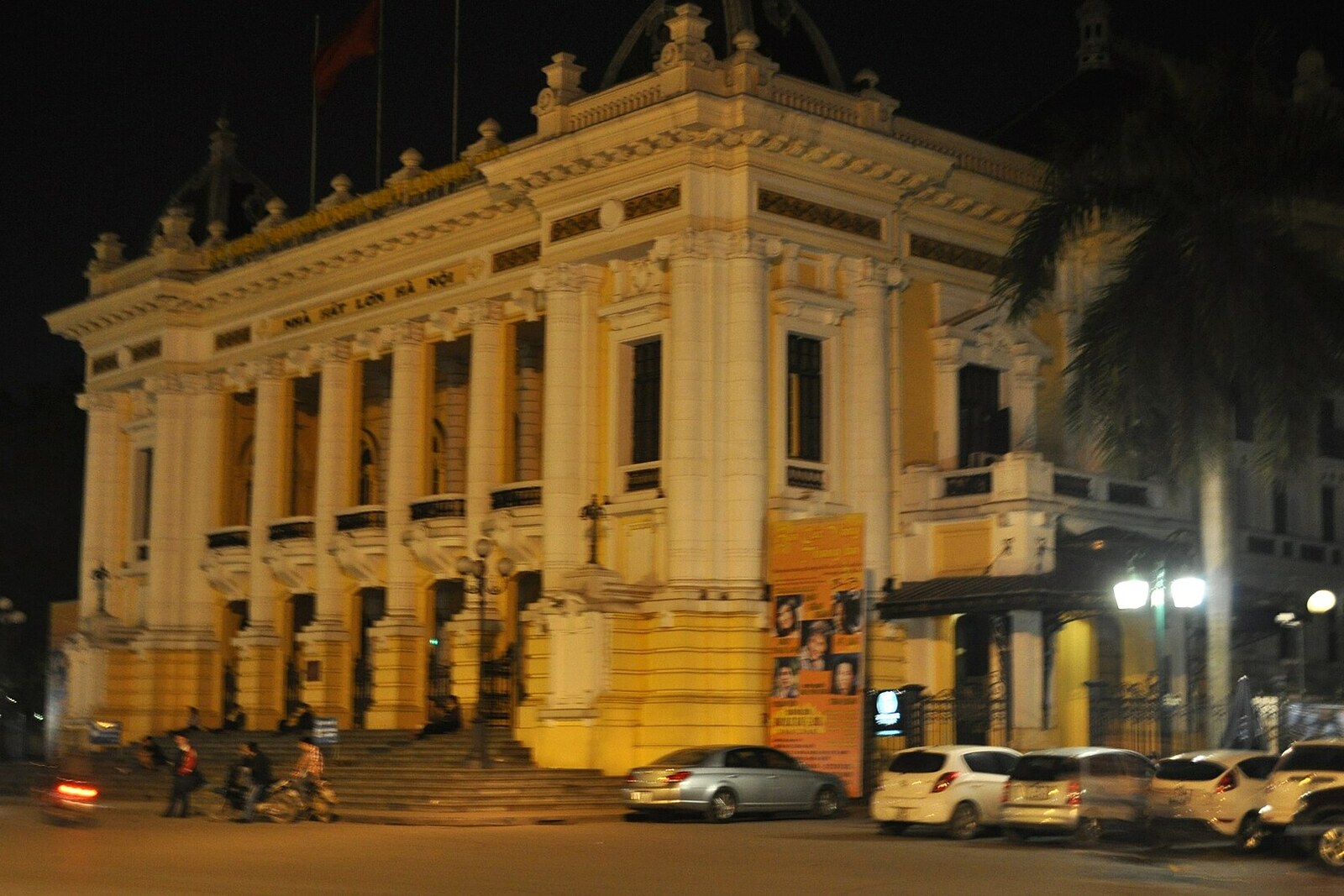
.jpg)