A Pérola do Bolhão History A Pérola do Bolhão: story on the “Baixa and Bolhão: Everyday Life in Central Porto” route This family-run shop brings the history of trade down to the home above the store, the old cash register, and several generations behind the counter.
Avenida dos Aliados History Avenida dos Aliados: story on the “Baixa and Bolhão: Everyday Life in Central Porto” route This stop will show how the site of a short-lived republic became the city's main avenue.
Burmester: ageing, a name, and trust History Burmester: ageing, a name, and trust: story on the “Gaia: Monastery, Bridge, and Wine Shore” route The finale will connect the ageing of wine with a family name that buyers had to take on trust.
Cais de Gaia: The Working Memory of the Winefront History Cais de Gaia: The Working Memory of the Winefront: story on the “Gaia: Monastery, Bridge, and Wine Shore” route The quay explains why wine warehouses occupied this bank and what merchants risked losing in a single night.
Cálem: Port Sent Across the Atlantic Ocean History Cálem: Port Sent Across the Atlantic Ocean: story on the “Gaia: Monastery, Bridge, and Wine Shore” route This stop will show how return cargo from Brazil changed the trade of a family-owned house.
Chapel of Souls History Chapel of Souls: story on the “Baixa and Bolhão: Everyday Life in Central Porto” route The chapel will explain why the old dedication to Catherine came to bear the name of the brotherhood that moved here.
Church of Santo Ildefonso History Church of Santo Ildefonso: story on the “Baixa and Bolhão: Everyday Life in Central Porto” route The surviving contract lets you see in the altar not anonymous Baroque, but a completed and inspected commission.
Church of São Francisco History Church of São Francisco: story on the “From Porto Cathedral to Ribeira: Who Shaped Porto” route The plan for a new street will show how a lay brotherhood secured the preservation of a former monastic church.
Clérigos Church and Clérigos Tower History Clérigos Church and Clérigos Tower: story on the “From Porto Cathedral to Ribeira: Who Shaped Porto” route The brotherhood's records will link the famous bell tower to the aid its elderly architect received at the end of his life.
Dom Luís I Bridge History Dom Luís I Bridge: story on the “Gaia: Monastery, Bridge, and Wine Shore” route The crossing will show how a single metal arch linked two levels of the city at once.
Gaia Cable Car: three minutes over the slope History Gaia Cable Car: three minutes over the slope: story on the “Gaia: Monastery, Bridge, and Wine Shore” route The short descent will reveal the price paid for a direct connection between the garden and the wine riverfront.
Jardim do Morro History Jardim do Morro: story on the “Gaia: Monastery, Bridge, and Wine Shore” route The garden makes it possible to reconstruct the lost part of the hill and see how transportation created Gaia's new center.
Lower Ribeira and Dom Luís I Bridge History Lower Ribeira and Dom Luís I Bridge: story on the “From Porto Cathedral to Ribeira: Who Shaped Porto” route The finale will bring together the disaster on a floating deck and the engineering choice of a two-level crossing.
Mercado do Bolhão History Mercado do Bolhão: story on the “Baixa and Bolhão: Everyday Life in Central Porto” route The story of one fishmonger shows the market as a workplace that a family passed down along with its trade.
Porto Cathedral History Porto Cathedral: story on the “From Porto Cathedral to Ribeira: Who Shaped Porto” route A royal wedding will show how a military treaty was turned into kinship and dynastic support.
Praça da Batalha History Praça da Batalha: story on the “Baixa and Bolhão: Everyday Life in Central Porto” route The pink palace will restore the square's role as a military hospital and link it to the defense of the height beyond the Douro.
Praça da Ribeira History Praça da Ribeira: story on the “From Porto Cathedral to Ribeira: Who Shaped Porto” route Fish levies explain why trade was drawn to this stretch of riverbank for centuries.
Rua das Flores History Rua das Flores: story on the “From Porto Cathedral to Ribeira: Who Shaped Porto” route Stone markers on the houses show how the new commercial street preserved the boundaries of the former church-owned lands.
Rua de Santa Catarina and Café Majestic History Rua de Santa Catarina and Café Majestic: story on the “Baixa and Bolhão: Everyday Life in Central Porto” route The café is useful to the route as a rare case in which an expensive restoration stopped an already planned change of use.
São Bento Station History São Bento Station: story on the “From Porto Cathedral to Ribeira: Who Shaped Porto” route The fate of the last abbess explains why the railroad reached the center before the convent disappeared.
Serra do Pilar Monastery History Serra do Pilar Monastery: story on the “Gaia: Monastery, Bridge, and Wine Shore” route Here, the height above the Douro would become a military position on which the defense of Porto depended.
Terreiro da Sé History Terreiro da Sé: story on the “From Porto Cathedral to Ribeira: Who Shaped Porto” route Here you will compare the exposed old masonry with the square created after the medieval quarters were cleared away.
Alfândega Nova Museums Alminhas da Ponte Sacred sites Nearest audio-route stop: Lower Ribeira and Dom Luís I Bridge — 90 m in a straight line, route From Porto Cathedral to Ribeira: Who Shaped Porto
Armazéns Frigoríficos de Massarelos History Arqueossítio da Rua de D. Hugo Museums Nearest audio-route stop: Porto Cathedral — 60 m in a straight line, route From Porto Cathedral to Ribeira: Who Shaped Porto
Avenida dos Aliados Streets and squares Nearest audio-route stop: Avenida dos Aliados — 80 m in a straight line, route Baixa and Bolhão: Everyday Life in Central Porto
Batalha Square Streets and squares Bolhão Market Streets and squares Nearest audio-route stop: Mercado do Bolhão — 10 m in a straight line, route Baixa and Bolhão: Everyday Life in Central Porto
Cadeia da Relação Museums Capela das Almas Sacred sites Nearest audio-route stop: Rua de Santa Catarina and Café Majestic — 130 m in a straight line, route Baixa and Bolhão: Everyday Life in Central Porto
Capela do Divino Coração de Jesus Sacred sites Capela dos Alfaiates Sacred sites Carrancas Palace Museums Casa da Câmara Museums Nearest audio-route stop: Terreiro da Sé — 40 m in a straight line, route From Porto Cathedral to Ribeira: Who Shaped Porto
Casa do Cabido da Sé do Porto Sacred sites Nearest audio-route stop: Terreiro da Sé — 30 m in a straight line, route From Porto Cathedral to Ribeira: Who Shaped Porto
Casa do Despacho da venerável Ordem Terceira de São Francisco Museums Nearest audio-route stop: Church of São Francisco — 50 m in a straight line, route From Porto Cathedral to Ribeira: Who Shaped Porto
Casa e Capela da Quinta do Bom Sucesso Sacred sites Casa Museu Fernando de Castro Museums Casa Tait Museums Casa-oficina António Carneiro Museums Centro Português de Fotografia Museums Chafariz da Colher History Chafariz da Rua Escura History Nearest audio-route stop: Terreiro da Sé — 70 m in a straight line, route From Porto Cathedral to Ribeira: Who Shaped Porto
Chafariz do Laranjal History Church of Campanhã Sacred sites Church of Saint Ildefonso Sacred sites Nearest audio-route stop: Praça da Batalha — 100 m in a straight line, route Baixa and Bolhão: Everyday Life in Central Porto
Church of São Francisco Sacred sites Nearest audio-route stop: Church of São Francisco — 30 m in a straight line, route From Porto Cathedral to Ribeira: Who Shaped Porto
Church of São Martinho de Cedofeita Sacred sites Church of São Nicolau Sacred sites Nearest audio-route stop: Praça da Ribeira — 30 m in a straight line, route From Porto Cathedral to Ribeira: Who Shaped Porto
Clérigos Church Sacred sites Nearest audio-route stop: Clérigos Church and Clérigos Tower — 50 m in a straight line, route From Porto Cathedral to Ribeira: Who Shaped Porto
Companhia de Moagens Harmonia History Cruzeiro do Senhor do Padrão History Episcopal Palace, Porto Museums Nearest audio-route stop: Terreiro da Sé — 90 m in a straight line, route From Porto Cathedral to Ribeira: Who Shaped Porto
Exército Libertador square Streets and squares Fonte Hulsenbos History Fountain of Rua das Taipas History Fountain of São Miguel History Nearest audio-route stop: Porto Cathedral — 40 m in a straight line, route From Porto Cathedral to Ribeira: Who Shaped Porto
Fountain of the Virtues History General Humberto Delgado square Streets and squares Nearest audio-route stop: Avenida dos Aliados — 110 m in a straight line, route Baixa and Bolhão: Everyday Life in Central Porto
Holocaust Museum of Oporto Museums Igreja Baptista do Porto Sacred sites Igreja da Lapa Sacred sites Igreja da Misericórdia do Porto Sacred sites Nearest audio-route stop: Rua das Flores — 140 m in a straight line, route From Porto Cathedral to Ribeira: Who Shaped Porto
Igreja da Ordem do Terço Sacred sites Igreja da Trindade Sacred sites Igreja da Venerável Ordem Terceira de São Francisco Sacred sites Nearest audio-route stop: Church of São Francisco — 50 m in a straight line, route From Porto Cathedral to Ribeira: Who Shaped Porto
Igreja de Nossa Senhora da Conceição Sacred sites Igreja de Nossa Senhora da Esperança Sacred sites Nearest audio-route stop: Church of Santo Ildefonso — 150 m in a straight line, route Baixa and Bolhão: Everyday Life in Central Porto
Igreja de Santa Clara Sacred sites Igreja de São Bento da Vitória Sacred sites Igreja de São Martinho de Lordelo Sacred sites Igreja de São Pedro de Miragaia Sacred sites Igreja do Carmo Sacred sites Igreja do Corpo Santo de Massarelos Sacred sites Igreja do Mirante Sacred sites Igreja dos Carmelitas Descalços Sacred sites Igreja dos Congregados Sacred sites Nearest audio-route stop: São Bento Station — 110 m in a straight line, route From Porto Cathedral to Ribeira: Who Shaped Porto
Igreja dos Grilos Museums Nearest audio-route stop: Terreiro da Sé — 130 m in a straight line, route From Porto Cathedral to Ribeira: Who Shaped Porto
Igreja e convento de São João Novo Sacred sites Igreja Matriz do Bonfim Sacred sites Jardim Botânico do Porto Parks Jardim de São Lázaro Streets and squares Nearest audio-route stop: Church of Santo Ildefonso — 130 m in a straight line, route Baixa and Bolhão: Everyday Life in Central Porto
Jewish Museum of Oporto Museums Kadoorie Synagogue Museums King Charles Albert chapel Sacred sites LABIRINTO BAR Museums Laboratórios Hoechst History Largo de São Domingos Streets and squares Largo do Colégio Streets and squares Nearest audio-route stop: Terreiro da Sé — 140 m in a straight line, route From Porto Cathedral to Ribeira: Who Shaped Porto
Largo do Moinho de Vento Streets and squares Largo do Terreirinho Streets and squares Nearest audio-route stop: Lower Ribeira and Dom Luís I Bridge — 60 m in a straight line, route From Porto Cathedral to Ribeira: Who Shaped Porto
Liberdade Square Streets and squares Nearest audio-route stop: São Bento Station — 140 m in a straight line, route From Porto Cathedral to Ribeira: Who Shaped Porto
Luiz I Bridge History Nearest audio-route stop: Burmester: ageing, a name, and trust — 80 m in a straight line, route Gaia: Monastery, Bridge, and Wine Shore
Mártires da Pátria square Streets and squares Mercado do Bom Sucesso Streets and squares Mercado Ferreira Borges Streets and squares Nearest audio-route stop: Church of São Francisco — 130 m in a straight line, route From Porto Cathedral to Ribeira: Who Shaped Porto
Miradouro das Fontainhas History Monumento a Almeida Garrett History Nearest audio-route stop: Avenida dos Aliados — 120 m in a straight line, route Baixa and Bolhão: Everyday Life in Central Porto
Monumento aos Heróis da Guerra Peninsular History Museu Aurélia e Sofia de Souza Museums Museu da Misericórdia do Porto Museums Nearest audio-route stop: Rua das Flores — 130 m in a straight line, route From Porto Cathedral to Ribeira: Who Shaped Porto
Museu de Marionetas do Porto Museums Museu Militar do Porto Museums Museu Nacional da Imprensa Museums Museum of Natural History and Science of the University of Porto Museums National Museum Soares dos Reis Museums Nicho do Senhor da Boa Fortuna History Nearest audio-route stop: Lower Ribeira and Dom Luís I Bridge — 70 m in a straight line, route From Porto Cathedral to Ribeira: Who Shaped Porto
Oratório de Santa Ana History Nearest audio-route stop: Rua das Flores — 150 m in a straight line, route From Porto Cathedral to Ribeira: Who Shaped Porto
Palacete of the Visconts of Balsemão History Palácio da Batalha History Palácio da Bolsa History Nearest audio-route stop: Church of São Francisco — 40 m in a straight line, route From Porto Cathedral to Ribeira: Who Shaped Porto
Palácio das Cardosas Sacred sites Nearest audio-route stop: São Bento Station — 80 m in a straight line, route From Porto Cathedral to Ribeira: Who Shaped Porto
Palácio de São Bento da Vitória History Palácio do Freixo History Parish Church of Saint Anthony of Antas Sacred sites Parque das Águas Parks Parque de São Roque Parks Parque do Covelo Parks Pillory of Porto History Nearest audio-route stop: Terreiro da Sé — 60 m in a straight line, route From Porto Cathedral to Ribeira: Who Shaped Porto
Planetário do Porto Museums Ponte de D. Maria Pia History Ponte pênsil D. Maria II History Port Wine Museum Museums Nearest audio-route stop: Praça da Ribeira — 50 m in a straight line, route From Porto Cathedral to Ribeira: Who Shaped Porto
Porto Tram Museum Museums Praça da Corujeira Streets and squares Praça da Galiza Streets and squares Praça de Almeida Garrett Streets and squares Nearest audio-route stop: São Bento Station — 30 m in a straight line, route From Porto Cathedral to Ribeira: Who Shaped Porto
Praça de Carlos Alberto Streets and squares Praça de D. João I Streets and squares Praça de Francisco Sá Carneiro Streets and squares Praça de Gomes Teixeira Streets and squares Praça de Guilherme Gomes Fernandes Streets and squares Praça de Nove de Abril Streets and squares Praça do Infante D. Henrique Streets and squares Nearest audio-route stop: Church of São Francisco — 70 m in a straight line, route From Porto Cathedral to Ribeira: Who Shaped Porto
Praça do Marquês de Pombal Streets and squares Recolhimento do Ferro Sacred sites Rectory of the University of Oporto Museums Nearest audio-route stop: Clérigos Church and Clérigos Tower — 140 m in a straight line, route From Porto Cathedral to Ribeira: Who Shaped Porto
República square Streets and squares Ribeira Square Streets and squares Nearest audio-route stop: Lower Ribeira and Dom Luís I Bridge — 110 m in a straight line, route From Porto Cathedral to Ribeira: Who Shaped Porto
Rotunda da Boavista Streets and squares Rua de Santa Catarina Streets and squares Saint Benedict of Victory monastery Sacred sites São Bento railway station History Nearest audio-route stop: São Bento Station — 40 m in a straight line, route From Porto Cathedral to Ribeira: Who Shaped Porto
Solar do Conde de Bolhão History Nearest audio-route stop: Mercado do Bolhão — 110 m in a straight line, route Baixa and Bolhão: Everyday Life in Central Porto
Terreiro da Sé Streets and squares Nearest audio-route stop: Terreiro da Sé — 70 m in a straight line, route From Porto Cathedral to Ribeira: Who Shaped Porto
World of Discoveries Museums  Guide On Map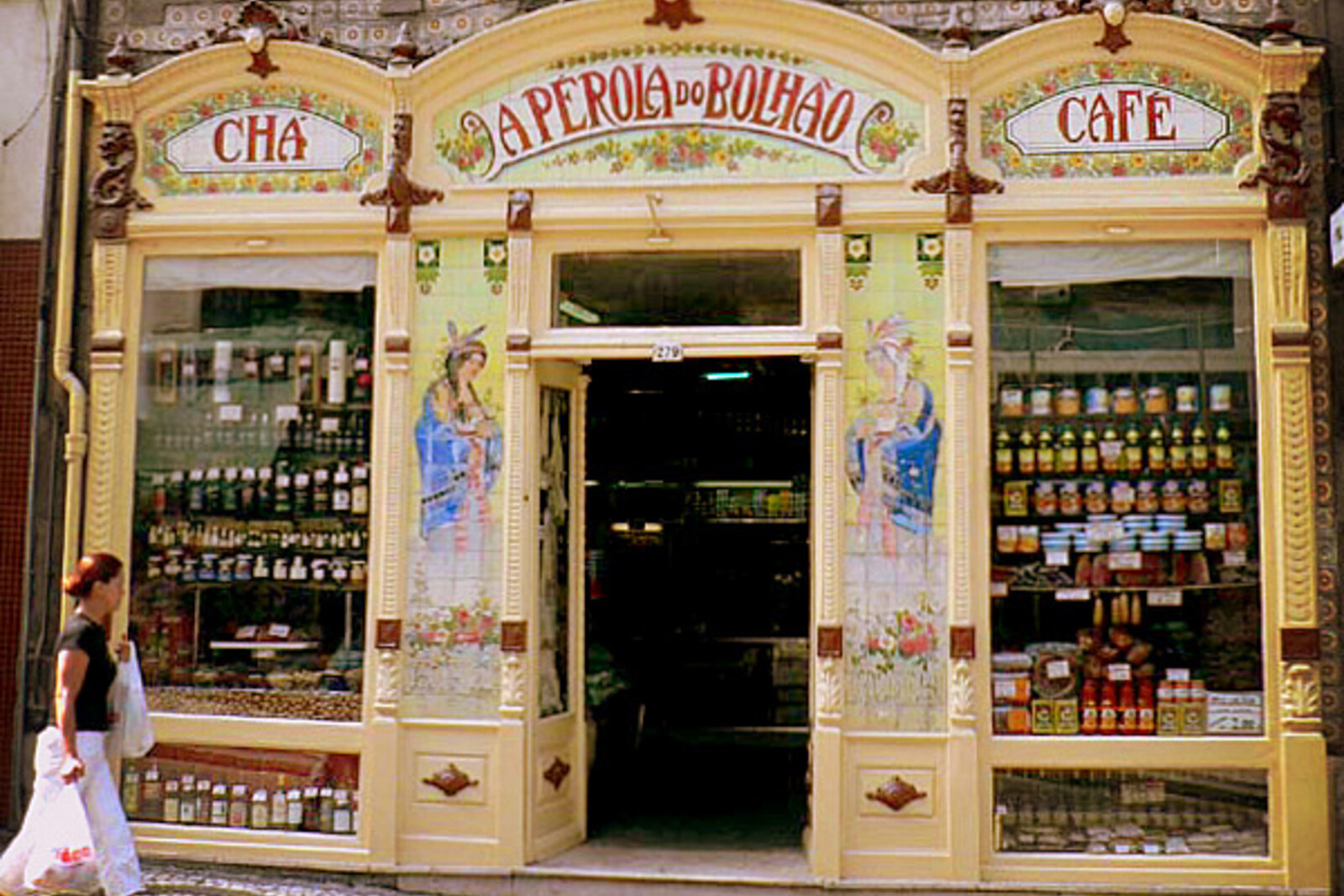
.jpg)