 Guide On Map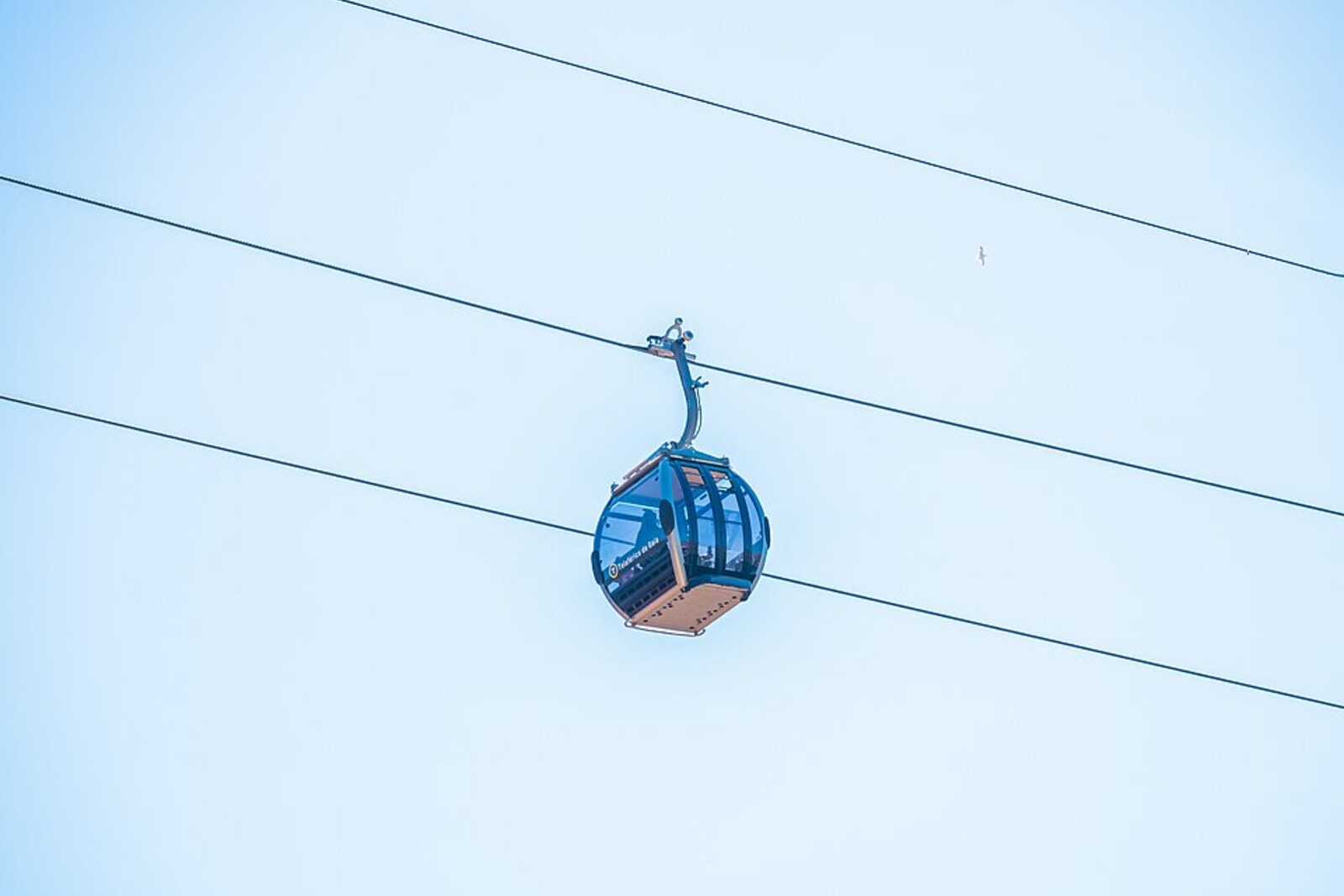
Look around first
What to notice
- Upper station
- Suspended cabins
- Support cables
- Clear strip beneath the route
The story of the place
When the court found the original taking of the house for this cable car unlawful, the house no longer existed, and cabins were already running over the slope.
In two thousand seven, the Gaia municipality commissioned the Etermar and Telef consortium to build and operate for twenty years a line between Jardim da Pedreira and the waterfront. Municipal officials wanted to direct metro passengers and pedestrians from the bridge's upper deck to the wine cellars by the river. The private operator invested its own money and expected to recover it through ticket sales. Hence the cable car's dual purpose: it carries people between two levels of the city, but its fare and operating speed were set chiefly for a short tourist ride.
The upper station was originally to be built in the garden itself. The Institute for the Management of Architectural and Archaeological Heritage (IGESPAR), which approved construction in the historic area, required it to be moved onto the slope. The operator had to acquire additional plots on Calçada da Serra. Costs rose by two million two hundred thousand euros, and the bank warned that the investment might not pay off during the remaining term of the concession. The municipality allowed the company to go without paying it lease payments for longer.
A three-story house lay in the path of the new route. Seven tenants were registered there; according to the owner, the building brought in about seven hundred fifty euros a month. Vila Nova de Gaia City Council declared the taking urgent and took possession of the house in October two thousand eight. The owners were initially offered eighty thousand euros. They challenged both the amount and the council's right to take the property in that way. Meanwhile, the house was demolished to make way for the cable car.
The administrative court ruled that municipal officials had exceeded their powers: a state official at the appropriate level should have approved such a taking. The ruling was upheld on appeal. By April two thousand eleven, however, the cable car had already begun carrying passengers. Returning the former property to the owners would have meant rebuilding the house directly beneath the cable. A state secretary issued a new expropriation order, and in two thousand thirteen the appeals court left the owners with monetary compensation—one hundred sixty-three thousand four hundred four euros.
The upper station stands on the slope, where it was ordered to be moved from the garden. Beneath the current line there is no three-story house with seven tenants: its place is occupied by a clear strip needed for the cabins to descend to the waterfront.
Useful on site
High season 2026: daily 10:00-20:00; off-season hours are shorter, closed December 25. Check the official website before your trip.
Checked: June 25, 2026. Check the official source before visiting.Before boarding, make sure the line is running. The cabin may sway in the wind; if you are afraid of heights, choose the walk down.