 Guide On Map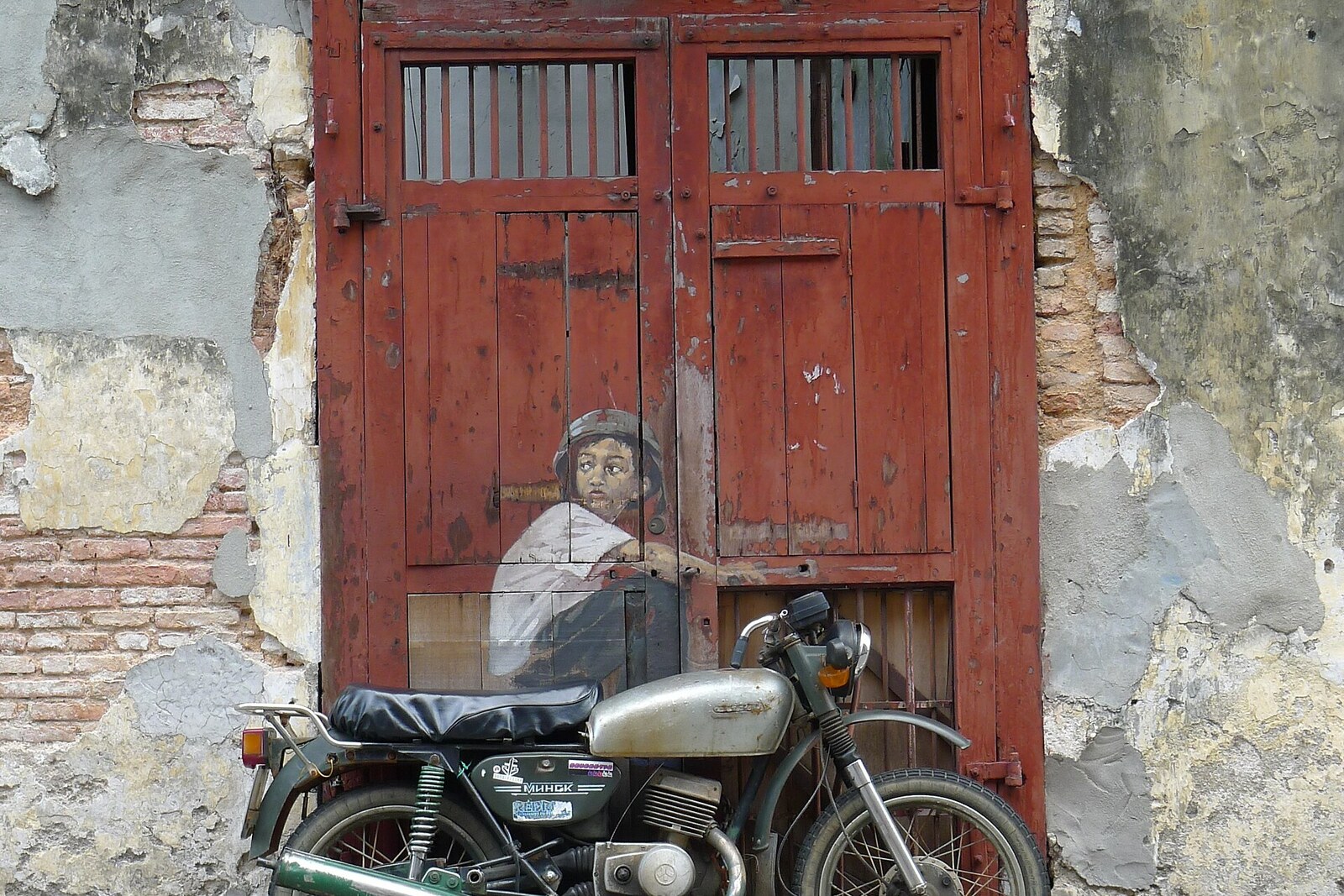

This place does not have an audited photo yet.
Selected place
Ah Quee Street
Local name: Улица Ах Куи
Here a vanished house will explain why the lane became a through city street.
Start with 26 highlights or open the complete catalog of 135 curated places.
Highlights include Ah Quee Street, Armenian Park, Armenian Street, Arulmigu Sri Mahamariamman Temple, Cheah Kongsi, Chew Clan Jetty (Zhou).
We have connected important places into ready-made walks with a clear order, stories and practical details.
Start with 26 highlights, or reveal all 135 curated places.
Local name: Улица Ах Куи
Here a vanished house will explain why the lane became a through city street.
Here a vanished house will explain why the lane became a through city street.
A quiet lawn now occupies the site of a neighborhood from which armed detachments once set out.
Here, the name will prove more enduring than the community that brought it to George Town.
Here you will see how worshippers expanded their shared shrine along with the neighborhood itself.
This courtyard shows how property and family rules carried on the work of a deceased founder.
The front rooms of the houses show how the families replaced the port work they lost.
An ordinary wall will show how a single installation changed the function of an entire stretch of street.
This stop will show which parts of the fort survived the dismantling and which returned later.
Here the temple will appear as a former place of shared affairs for two rival regional communities.
Here, the route begins with an institution where the altar and the community court shared one roof.
This stop explains how a representative of the port community turned its request into a permanent institution.
This stop will show how a permanent mosque became the center of a community and why hereditary management did not endure.
The street links the port work of the southern section with the Chinese temples and community associations of the northern section.
This stop will show how the families moved their homes and shrine after losing their first jetty.
The finale will connect the square's disputed name with the layout of the clan complex and the fate of its former buildings.
The life of a local boatman reveals the port trade from within—from teenage work to the disappearance of working boats.
The finale will shift the conversation from temples to the tools of trade and Tamil printing.
Here, maritime trade will link a local shrine with a revered tomb on the other side of the bay.
Here you will see how a military field became a contested urban space.
Here, a jubilee monument will link port money with the work of the city administration.
The final stop returns to the murals and shows exactly what the artist restored twelve years later.
The postwar fate of the furnishings will show what the congregation was able to restore at once, and what it waited decades for.
The story of the working shelters will explain how a sampan mooring became a family residential row.
Here it will become clear what work the new port shoreline created and who settled near the jetties.
This stop will explain what kind of house a migrant arriving without family or possessions needed.
The finale will link the altered shoreline with the temple the community built through pooled contributions.
Nearest audio-route stop: Cheah Kongsi — 50 m in a straight line, route The Armenian Street Quarter: Murals and Clan Houses
Nearest audio-route stop: Cheah Kongsi — 60 m in a straight line, route The Armenian Street Quarter: Murals and Clan Houses
Nearest audio-route stop: Kapitan Keling Mosque — 50 m in a straight line, route Old George Town: Port, Communities, and Power
Nearest audio-route stop: Queen Victoria Memorial Clock Tower and the municipal facade — 140 m in a straight line, route Old George Town: Port, Communities, and Power
Nearest audio-route stop: Padang Kota Lama — 140 m in a straight line, route Old George Town: Port, Communities, and Power
Nearest audio-route stop: St. George's Church — 140 m in a straight line, route Old George Town: Port, Communities, and Power
Nearest audio-route stop: Fort Cornwallis — 50 m in a straight line, route Old George Town: Port, Communities, and Power
Nearest audio-route stop: St. George's Church — 40 m in a straight line, route Old George Town: Port, Communities, and Power
Nearest audio-route stop: Kapitan Keling Mosque — 20 m in a straight line, route George Town's Port Communities: Temples and Shops
Nearest audio-route stop: Kapitan Keling Mosque — 50 m in a straight line, route George Town's Port Communities: Temples and Shops
Nearest audio-route stop: Kapitan Keling Mosque — 30 m in a straight line, route Old George Town: Port, Communities, and Power
Nearest audio-route stop: Leong San Tong Khoo Kongsi and Cannon Square — 70 m in a straight line, route Old George Town: Port, Communities, and Power
Nearest audio-route stop: Reaching Up — 70 m in a straight line, route The Armenian Street Quarter: Murals and Clan Houses
Nearest audio-route stop: Padang Kota Lama — 90 m in a straight line, route Old George Town: Port, Communities, and Power
Nearest audio-route stop: Nagore Durgha Sheriff — 10 m in a straight line, route George Town's Port Communities: Temples and Shops
Nearest audio-route stop: Armenian Park — 30 m in a straight line, route The Armenian Street Quarter: Murals and Clan Houses
Nearest audio-route stop: Queen Victoria Memorial Clock Tower and the municipal facade — 120 m in a straight line, route Old George Town: Port, Communities, and Power
Nearest audio-route stop: Goddess of Mercy Temple — 80 m in a straight line, route George Town's Port Communities: Temples and Shops
Nearest audio-route stop: Arulmigu Sri Mahamariamman Temple — 20 m in a straight line, route George Town's Port Communities: Temples and Shops
Nearest audio-route stop: Armenian Park — 50 m in a straight line, route The Armenian Street Quarter: Murals and Clan Houses
Nearest audio-route stop: Queen Victoria Memorial Clock Tower and the municipal facade — 140 m in a straight line, route Old George Town: Port, Communities, and Power
Nearest audio-route stop: Yap Kongsi — 10 m in a straight line, route The Armenian Street Quarter: Murals and Clan Houses