 Guide On Map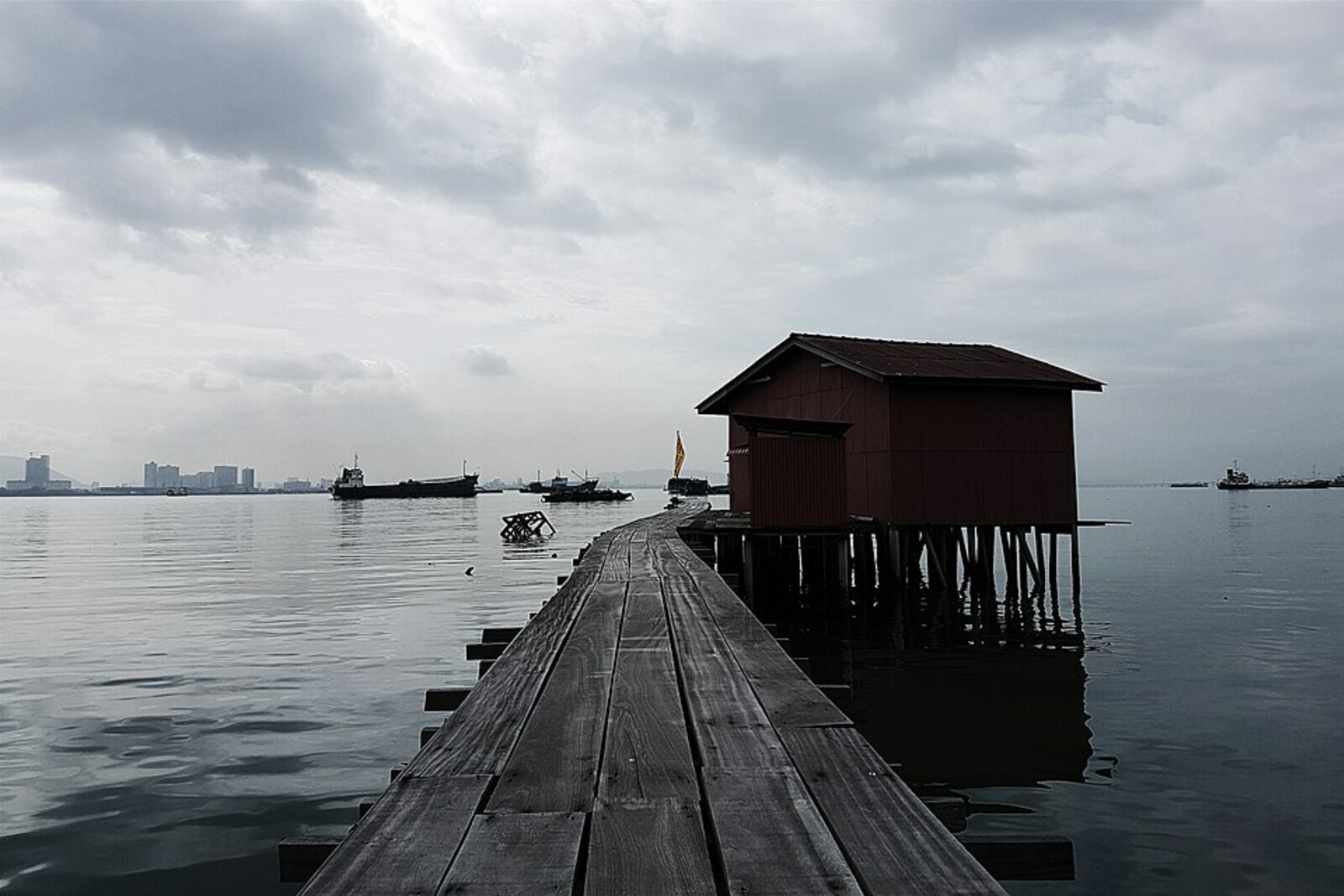
Look around first
What to notice
- Port road
- Warehouse buildings
- Jetties
- Wooden walkways to the homes
The story of the place
Weld Quay remains George Town's transport edge today: routes from different ends of the island converge at the bus terminal, and ferries nearby take passengers. This line appeared for cargo. Until the end of the nineteenth century, the land beneath the road did not exist, and the sea reached what is now Beach Street.
Along Beach Street stood the offices of importers, exporters, and shipping companies. Their earnings depended on how quickly goods moved from the roadstead to the warehouses. The shore was shallow, individual streets ended in short jetties, and merchants filled in waterfront sections without authorization to make it easier for carts to reach the boats.
On August twenty-seventh, eighteen eighty-one, a large delegation of Penang merchants came to Frederick Aloysius Weld. Weld was the governor of the Straits Settlements, the British colony that included Penang, and he could secure government funding for a new quay. The merchants asked for the scattered jetties to be linked by a single strip of land behind Beach Street. The project had already been discussed for several years, but no funding had been allocated for it. Weld told the delegation that the administration was finally ready to take on the work.
In eighteen eighty-three, reclamation of the shallows began. By eighteen eighty-nine, a road had appeared along the new shore, with warehouses and jetties in front of the trading houses. The merchants got the port frontage they had sought. The quay was named after the governor whose tenure turned a longstanding request into a construction project.
Boatmen and cargo handlers were needed to serve the new jetties. Settlers from the coastal villages of southern Fujian usually came here without their families: they planned to spend several years carrying cargo on sampans, save money, and return to China. There proved to be enough work for many to stay and send for their relatives. At first, simple shelters were put up by the jetties, where people waited for cargo boats. Then the shelters were turned into homes, and individual jetties became associated with groups sharing the same surnames. This is how the Clan Jetties grew up along Weld Quay.
Beach Street, now inside the neighborhood, marks the former shoreline. The strip between it and Weld Quay is reclaimed land requested by the merchants. The governor's surname remained on the road, and beyond it, wooden walkways lead to the homes of the people who served the port created during his tenure.
Useful on site
Street point and shared waterfront walkway. Checked 2026-06-29: no official unified hours were found for the entire line of jetties; residential side areas are closed to visitors.
Checked: June 29, 2026. Check the official source before visiting.View the jetties from the shared city side, and do not enter service areas by the port and transport facilities.