 Guide On Map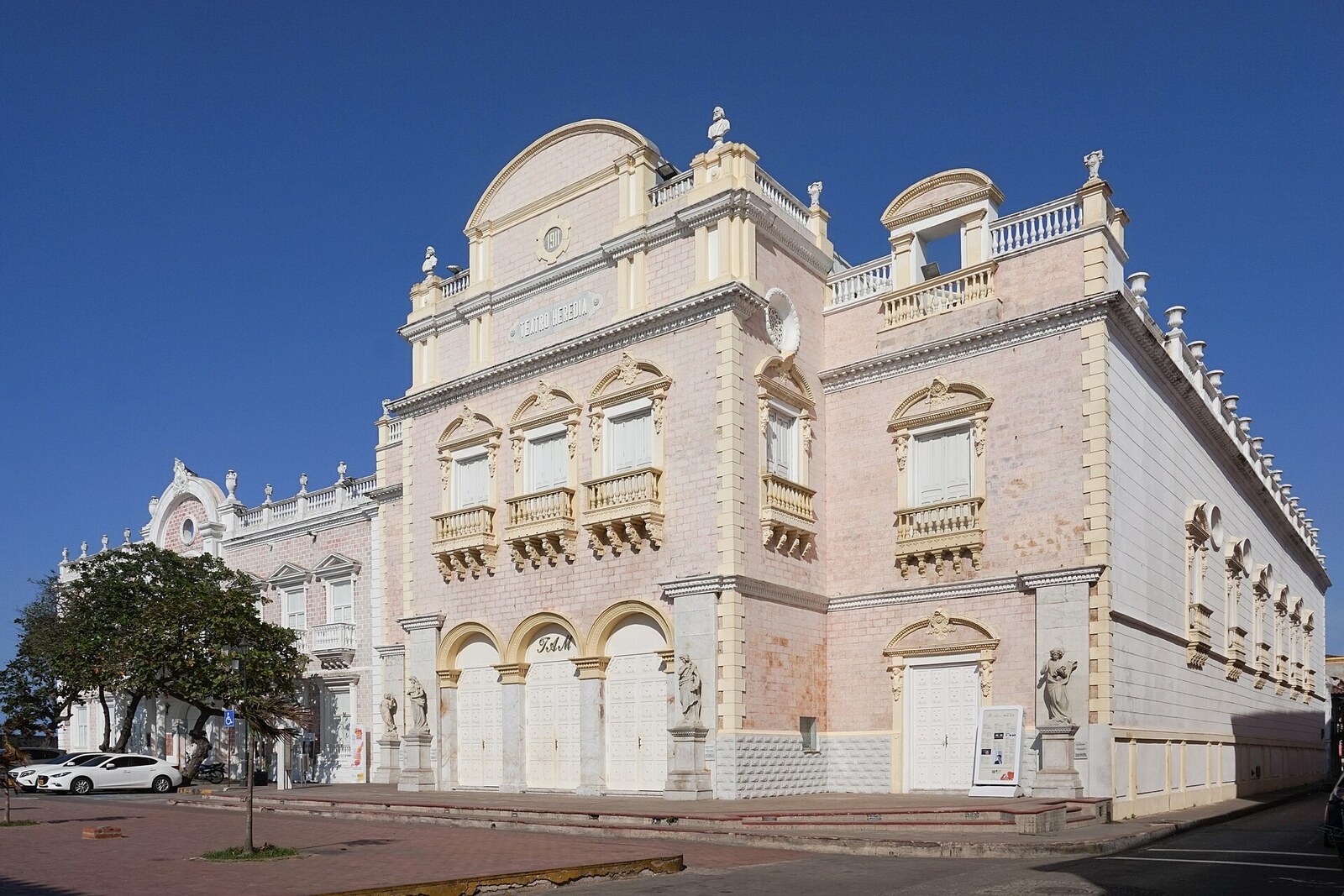

This place does not have an audited photo yet.
Selected place
Adolfo Mejía Theater (Teatro Heredia)
Local name: Teatro Adolfo Mejía
Here, the building’s rescue unfolds through details that were first removed and returned years later.
Start with 21 highlights or open the complete catalog of 158 curated places.
Highlights include Adolfo Mejía Theater (Teatro Heredia), Camellón de los Mártires, Church of Santo Toribio de Mogrovejo, Clock Tower Gate and Plaza de los Coches, Convent of Santa Clara (Hotel Santa Clara), Iglesia de la Santísima Trinidad.
We have connected important places into ready-made walks with a clear order, stories and practical details.
Start with 21 highlights, or reveal all 158 curated places.
Local name: Teatro Adolfo Mejía
Here, the building’s rescue unfolds through details that were first removed and returned years later.
Here, the building’s rescue unfolds through details that were first removed and returned years later.
Here, the official memorial line begins with a mismatch between the number of people executed and the number of portraits.
This stop connects the parish’s origins, the dispute over its dedication, and the memory of the British siege.
Here you will see how the square's location just beyond the gate turned the city entrance into a place where people were distributed.
This stop separates the fictional biography of Santa Clara from the documented history of the convent and hospital.
The church shows the price the residents paid for their own church and which right its donor did not receive.
The final stop will show how military rooms were given a new life thanks to the first tenants.
The park shows how an anniversary monument and the artisans' contribution diverged over the choice of the main hero.
The weapons storehouse will show why the political dispute in this square could end in full independence.
The square is needed to move the story of independence from the meeting hall to the people gathered before marching on the junta.
The history of the interpreters reveals the limits of help that operated within the system of slavery.
Here you will see how a monument and the square's name turned a contested biography into the story of a city hero.
A vanished fortification makes it possible to examine a military maneuver in which an unsuccessful assault achieved its purpose.
The final stop explains the shape of the square through the vanished shared source of water for household use.
The alley will connect the old dense development with the neighbors’ recent attempt to make the street shared again.
This is where the route along the avenue associated with the man against whom the interpreter testified begins.
The history of the monument’s two versions links a municipal demolition, poetic mockery, and the habit of taking photographs inside the sculpture.
Two lines of masonry preserve the outcome of a long dispute between the college and the military defenses.
Here, the layout of the northern defenses becomes clear through engineering economy, a storm, and the later rebuilding.
At the site of the nighttime breakthrough, it becomes clear why they began building the permanent defensive ring precisely here.
This stop shows how a military entrance gave way to a straight city road.
Nearest audio-route stop: Plaza de San Diego and the former Recollect convent — 10 m in a straight line, route San Diego: Convents, Theater, and the Northern Wall
Nearest audio-route stop: Batteries and Bastions — 150 m in a straight line, route Cartagena’s Landward Defense: From Media Luna Gate to San Felipe de Barajas
Nearest audio-route stop: Plaza de San Pedro Claver — 120 m in a straight line, route Cartagena's Old Port: Gates, Squares, and Bastions
Nearest audio-route stop: Plaza de la Aduana — 110 m in a straight line, route Cartagena's Old Port: Gates, Squares, and Bastions
Nearest audio-route stop: Convent of Santa Clara (Hotel Santa Clara) — 120 m in a straight line, route San Diego: Convents, Theater, and the Northern Wall
Nearest audio-route stop: Plaza de la Aduana — 100 m in a straight line, route Cartagena's Old Port: Gates, Squares, and Bastions
Nearest audio-route stop: San Ignacio Bastion — 90 m in a straight line, route Cartagena's Old Port: Gates, Squares, and Bastions
Nearest audio-route stop: Adolfo Mejía Theater (Teatro Heredia) — 20 m in a straight line, route San Diego: Convents, Theater, and the Northern Wall
Nearest audio-route stop: Plaza de San Pedro Claver — 90 m in a straight line, route Cartagena's Old Port: Gates, Squares, and Bastions
Nearest audio-route stop: Plaza de San Pedro Claver — 140 m in a straight line, route Cartagena's Old Port: Gates, Squares, and Bastions
Nearest audio-route stop: Adolfo Mejía Theater (Teatro Heredia) — 80 m in a straight line, route San Diego: Convents, Theater, and the Northern Wall
Nearest audio-route stop: Convent of Santa Clara (Hotel Santa Clara) — 130 m in a straight line, route San Diego: Convents, Theater, and the Northern Wall
Nearest audio-route stop: Santa Catalina and San Lucas Bastions — 70 m in a straight line, route San Diego: Convents, Theater, and the Northern Wall
Nearest audio-route stop: San Ignacio Bastion — 130 m in a straight line, route Cartagena's Old Port: Gates, Squares, and Bastions
Nearest audio-route stop: India Catalina Monument — 60 m in a straight line, route Cartagena’s Landward Defense: From Media Luna Gate to San Felipe de Barajas
Nearest audio-route stop: Santo Domingo Bastion — 130 m in a straight line, route Cartagena's Old Port: Gates, Squares, and Bastions
Nearest audio-route stop: Santo Domingo Bastion — 150 m in a straight line, route Cartagena's Old Port: Gates, Squares, and Bastions
Nearest audio-route stop: San Ignacio Bastion — 40 m in a straight line, route Cartagena's Old Port: Gates, Squares, and Bastions
Nearest audio-route stop: Plaza Fernández de Madrid — 120 m in a straight line, route San Diego: Convents, Theater, and the Northern Wall
Nearest audio-route stop: San Ignacio Bastion — 120 m in a straight line, route Cartagena's Old Port: Gates, Squares, and Bastions
Nearest audio-route stop: Adolfo Mejía Theater (Teatro Heredia) — 130 m in a straight line, route San Diego: Convents, Theater, and the Northern Wall
Nearest audio-route stop: Las Bóvedas — 100 m in a straight line, route San Diego: Convents, Theater, and the Northern Wall
Nearest audio-route stop: Plaza de San Pedro Claver — 140 m in a straight line, route Cartagena's Old Port: Gates, Squares, and Bastions
Nearest audio-route stop: Plaza de la Aduana — 80 m in a straight line, route Cartagena's Old Port: Gates, Squares, and Bastions
Nearest audio-route stop: Plaza de San Pedro Claver — 110 m in a straight line, route Cartagena's Old Port: Gates, Squares, and Bastions
Nearest audio-route stop: Plaza de la Aduana — 30 m in a straight line, route Cartagena's Old Port: Gates, Squares, and Bastions
Nearest audio-route stop: Las Bóvedas — 100 m in a straight line, route San Diego: Convents, Theater, and the Northern Wall
Nearest audio-route stop: Santa Catalina and San Lucas Bastions — 100 m in a straight line, route San Diego: Convents, Theater, and the Northern Wall
Nearest audio-route stop: Clock Tower Gate and Plaza de los Coches — 30 m in a straight line, route Cartagena's Old Port: Gates, Squares, and Bastions
Nearest audio-route stop: Camellón de los Mártires — 30 m in a straight line, route Getsemaní: A Neighborhood of Artisans and Neighbors
Nearest audio-route stop: Camellón de los Mártires — 50 m in a straight line, route Getsemaní: A Neighborhood of Artisans and Neighbors
Nearest audio-route stop: Adolfo Mejía Theater (Teatro Heredia) — 40 m in a straight line, route San Diego: Convents, Theater, and the Northern Wall
Nearest audio-route stop: Plaza de San Pedro Claver — 70 m in a straight line, route Cartagena's Old Port: Gates, Squares, and Bastions
Nearest audio-route stop: Santa Catalina and San Lucas Bastions — 110 m in a straight line, route San Diego: Convents, Theater, and the Northern Wall
Nearest audio-route stop: Ramps and Sloping Walls — 60 m in a straight line, route Cartagena’s Landward Defense: From Media Luna Gate to San Felipe de Barajas
Nearest audio-route stop: Calle del Pozo — 140 m in a straight line, route Getsemaní: A Neighborhood of Artisans and Neighbors
Nearest audio-route stop: Plaza Fernández de Madrid — 10 m in a straight line, route San Diego: Convents, Theater, and the Northern Wall
Nearest audio-route stop: Las Bóvedas — 80 m in a straight line, route San Diego: Convents, Theater, and the Northern Wall
Nearest audio-route stop: Las Bóvedas — 70 m in a straight line, route San Diego: Convents, Theater, and the Northern Wall
Nearest audio-route stop: Heredia Bridge and the site of the Media Luna Ravelin — 130 m in a straight line, route Cartagena’s Landward Defense: From Media Luna Gate to San Felipe de Barajas
Nearest audio-route stop: Church of Santo Toribio de Mogrovejo — 40 m in a straight line, route San Diego: Convents, Theater, and the Northern Wall
Nearest audio-route stop: Plaza de la Aduana — 110 m in a straight line, route Cartagena's Old Port: Gates, Squares, and Bastions
Nearest audio-route stop: Clock Tower Gate and Plaza de los Coches — 60 m in a straight line, route Cartagena's Old Port: Gates, Squares, and Bastions
Nearest audio-route stop: Camellón de los Mártires — 60 m in a straight line, route Getsemaní: A Neighborhood of Artisans and Neighbors
Nearest audio-route stop: Plaza de la Aduana — 80 m in a straight line, route Cartagena's Old Port: Gates, Squares, and Bastions
Nearest audio-route stop: Santa Catalina and San Lucas Bastions — 100 m in a straight line, route San Diego: Convents, Theater, and the Northern Wall
Nearest audio-route stop: Plaza de San Pedro Claver — 80 m in a straight line, route Cartagena's Old Port: Gates, Squares, and Bastions
Nearest audio-route stop: Plaza de la Trinidad — 20 m in a straight line, route Getsemaní: A Neighborhood of Artisans and Neighbors
Nearest audio-route stop: Plaza de San Pedro Claver — 70 m in a straight line, route Cartagena's Old Port: Gates, Squares, and Bastions
Nearest audio-route stop: Camellón de los Mártires — 50 m in a straight line, route Getsemaní: A Neighborhood of Artisans and Neighbors
Nearest audio-route stop: Plaza de San Pedro Claver — 130 m in a straight line, route Cartagena's Old Port: Gates, Squares, and Bastions
Nearest audio-route stop: Clock Tower Gate and Plaza de los Coches — 20 m in a straight line, route Cartagena's Old Port: Gates, Squares, and Bastions
Nearest audio-route stop: Plaza de la Aduana — 150 m in a straight line, route Cartagena's Old Port: Gates, Squares, and Bastions
Nearest audio-route stop: Convent of Santa Clara (Hotel Santa Clara) — 100 m in a straight line, route San Diego: Convents, Theater, and the Northern Wall
Nearest audio-route stop: Plaza de San Diego and the former Recollect convent — 70 m in a straight line, route San Diego: Convents, Theater, and the Northern Wall
Nearest audio-route stop: Plaza de la Aduana — 120 m in a straight line, route Cartagena's Old Port: Gates, Squares, and Bastions
Nearest audio-route stop: Plaza de San Diego and the former Recollect convent — 110 m in a straight line, route San Diego: Convents, Theater, and the Northern Wall
Nearest audio-route stop: Plaza de San Pedro Claver — 70 m in a straight line, route Cartagena's Old Port: Gates, Squares, and Bastions
Nearest audio-route stop: Church of Santo Toribio de Mogrovejo — 110 m in a straight line, route San Diego: Convents, Theater, and the Northern Wall
Nearest audio-route stop: Convent of Santa Clara (Hotel Santa Clara) — 80 m in a straight line, route San Diego: Convents, Theater, and the Northern Wall