 Guide On Map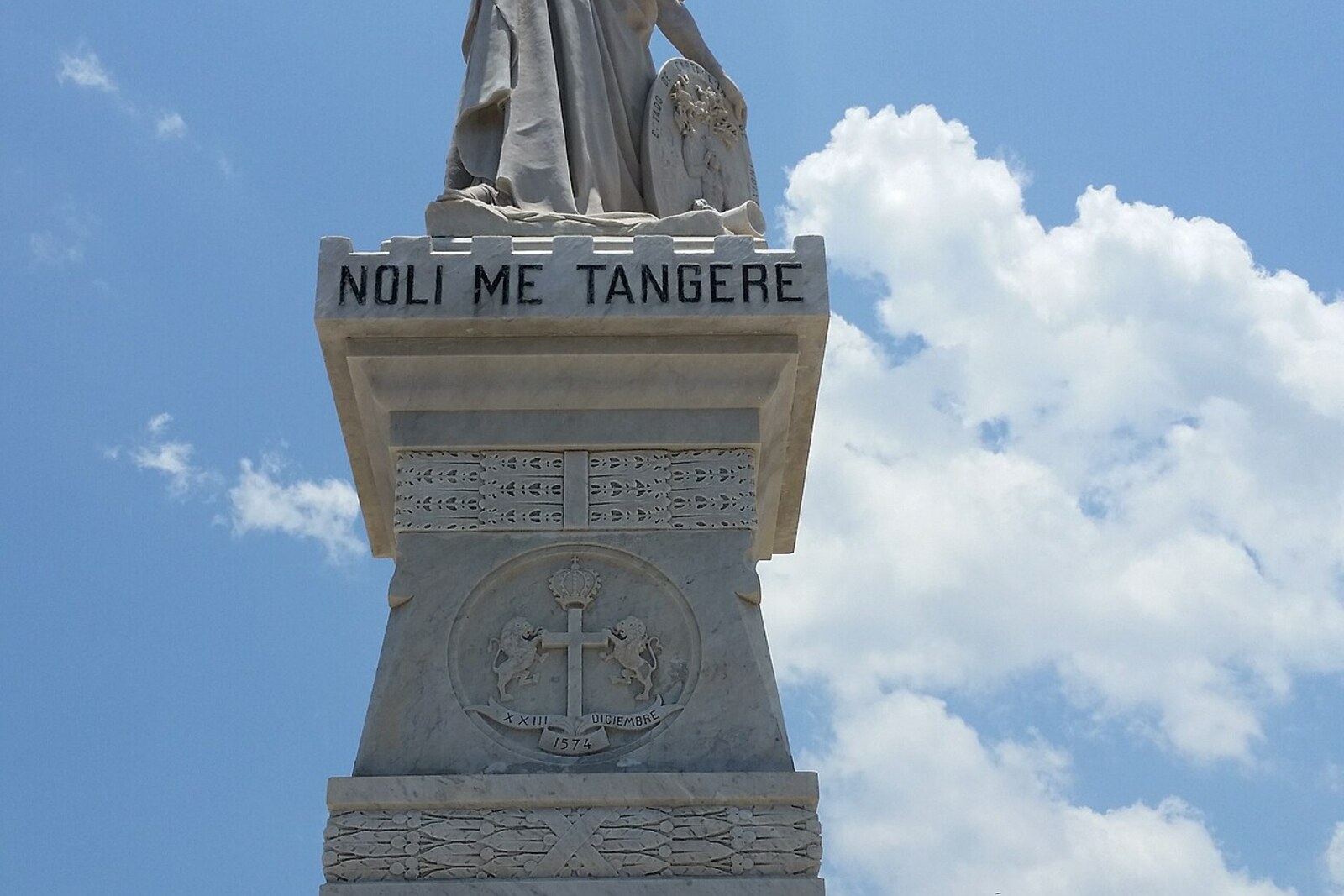
Look around first
What to notice
- Ten white marble busts
- Inscribed pedestals
- Promenade
The story of the place
Here, beyond the former city walls, the city slaughterhouse once operated, and Ciénaga de la Matuna ran nearby. Later, the site was turned into a memorial promenade: the city council recognized the dead as martyrs of the fatherland and commissioned portraits in Carrara marble. The busts were installed here in eighteen eighty-six, and the inscribed pedestals still turn this promenade into the city's roll of names.
Ten white marble busts stand along Camellón de los Mártires. Yet nine people were shot here—the people after whom the promenade was named the Martyrs. The memorial's creators added the tenth portrait.
In eighteen eleven, Cartagena declared full independence from Spain. Four years later, King Ferdinand VII sent General Pablo Morillo to return the city to Spanish rule. Morillo blockaded Cartagena by sea and land. After one hundred six days of siege, hunger, and disease, the defenders evacuated, and Spanish troops entered the city.
Captain General Francisco Montalvo wanted to find the leaders of the Republic of Cartagena and stage a public punishment. Nine people were imprisoned in the former Spanish Inquisition prison: Manuel del Castillo y Rada, the former commander of the fortress; the officers Martín José Amador, Pantaleón Germán Ribón, Santiago Stuart, and Manuel Anguiano; and the lawyers and republican officials Antonio José de Ayos, José María García de Toledo, Miguel Díaz Granados, and José María Portocarrero.
They did not belong to a single party. Some had sought a complete break with Spain; others had previously argued with them and agreed only to autonomy. The military judges combined their different actions into one charge—treason against the king.
Pantaleón Germán Ribón and Martín José Amador were the only ones who openly admitted during questioning that they had fought for independence. After their unit was defeated, an officer of the royal army promised them a pardon if they surrendered. They laid down their weapons and were imprisoned. At the trial, Ribón confirmed that he had commanded the defense of Mompox, and Amador confirmed that he had called on the province's residents to take up arms. When Amador was asked whether he knew the punishment prescribed for this, he replied that he did.
The others tried to prove that they had acted under duress or had even obstructed radical supporters of independence. Their aim was to fall into one of the categories of defendants to whom a royal decree promised forgiveness. Even if their lives could not be saved, a more lenient decision might protect family property from confiscation.
They were given almost no chance. García de Toledo named nine defense witnesses; the judges summoned one. Stuart named three; none was summoned. The prosecutors, however, attached about thirty documents: the constitution of Cartagena, the declaration of independence, and letters and proclamations by the defendants themselves. On February twentieth, eighteen sixteen, all nine were sentenced to death and confiscation of property. Hanging was then replaced with execution by firing squad, considered less shameful.
On February twenty-fourth, they were brought here. At that time, Plaza del Matadero—the city slaughterhouse square—lay beyond the city wall, stretching along Ciénaga de la Matuna. The nine were shot at its western side, and their bodies were taken to a mass grave in Manga Cemetery.
In eighteen fifty-five, the city council declared those executed martyrs of the fatherland. Later, the legislative assembly of the State of Bolívar commissioned the sculptor Felipe Moratilla to make nine portraits in Carrara marble. A bust of Manuel Rodríguez Torices, the former president of the Republic of Cartagena, was added to them. He was executed in the same year, eighteen sixteen, but in Bogotá.
The busts were installed here in eighteen eighty-six, and on the centennial of the execution by firing squad, the promenade was given its present name. Nine pedestals name the people brought to this square. The tenth recalls a man who died for the same republic in another city.
Useful on site
Public promenade; access is usually unrestricted, though closures are possible due to city events.
Checked: June 30, 2026. Check the official source before visiting.Walk around the entire row and compare the faces: these are later reconstructions, not exact portraits made during their lifetimes.