 Guide On Map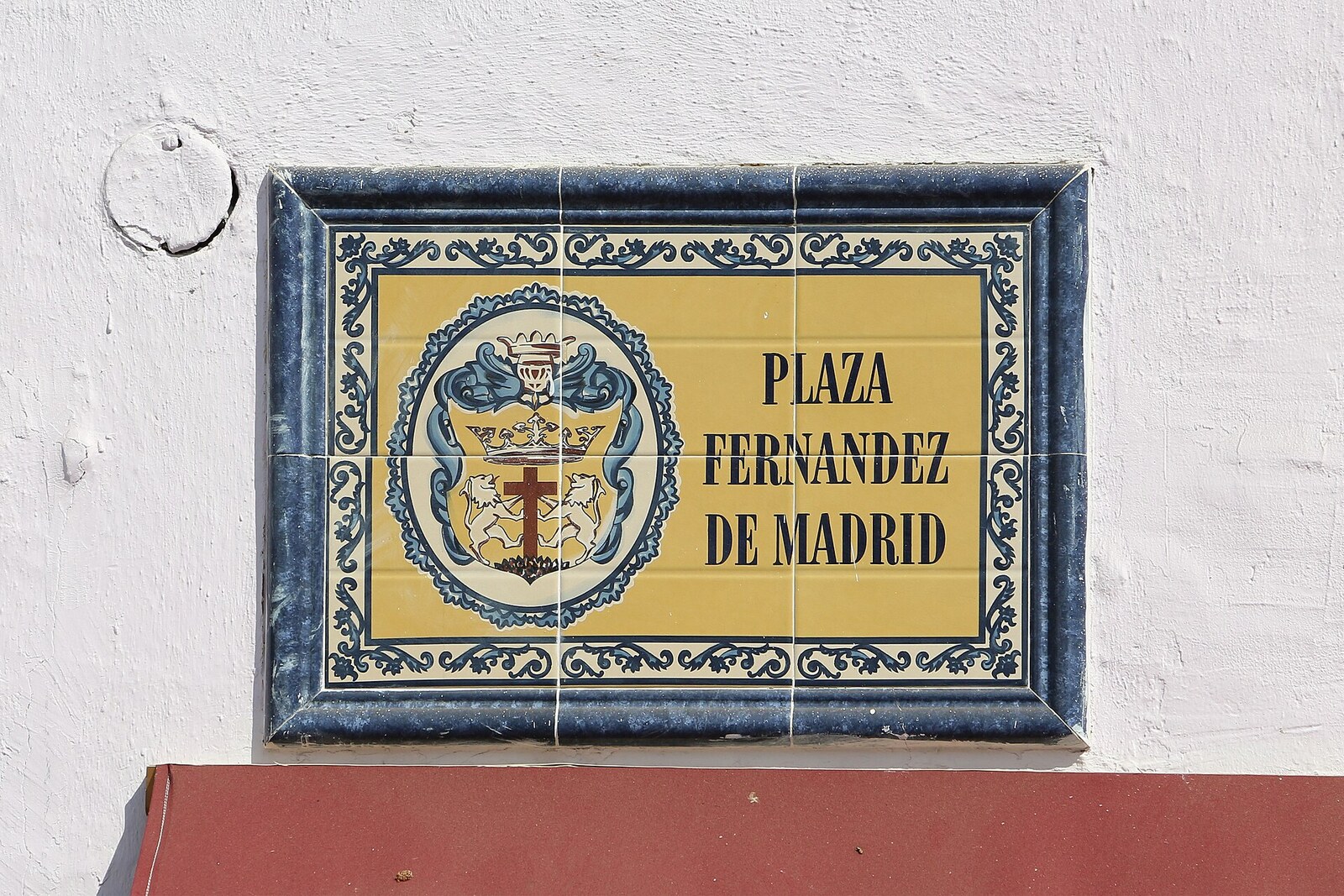
Look around first
What to notice
- Marble statue with a raised palm
- Inscription on the pedestal
- Books, a scroll, and a harp at its feet
The story of the place
Livestock watering ponds were once made on what is now the square, and the old name Los Jagüeyes recalled exactly that. Its center is now occupied by a marble figure of an orator with a raised palm and a manuscript in the other hand; books, a scroll, and a harp lie at the figure's feet. Later, in Gabriel García Márquez's novel, the square received another, literary name—Parque de los Evangelios.
On February nineteenth, eighteen eighty-nine, Colombian President Rafael Núñez gave a speech here before a new marble statue. He wanted the city to recognize as its hero a man with a damaged reputation. The final verdict was carved on the pedestal: “To José Fernández Madrid—from a grateful homeland.”
José Fernández Madrid was a physician from Cartagena and one of those involved in the break with Spain. In eighteen eleven, he signed the province's declaration of independence. Five years later, Spanish troops were bringing New Granada back under the Crown's control, the former head of the republic had resigned, and the army was retreating. Congress chose Fernández Madrid as president of the United Provinces of New Granada, the short-lived state of the rebels. He tried to refuse: the country, he said, could no longer be saved. The deputies insisted, and he accepted the post.
After an unsuccessful attempt to negotiate with the Spanish command, Fernández Madrid retreated south. He was captured with his wife near Chaparral. The military courts of General Pablo Morillo, who led the Spanish offensive, were sending independence leaders to be shot. Fernández Madrid pleaded for mercy and offered to submit to the king again. Morillo spared his life, commuting the execution to exile.
The cost of his rescue became clear after his return. For nine years, Fernández Madrid lived in Cuba and supported his family through his medical practice; his patients included enslaved Africans, brought to Havana on slave ships and kept in suburban barracks. When he returned to Cartagena, newspapers recalled that other leaders had died while the former president had begged for a pardon. He replied by publishing documents and explaining that he had accepted leadership of an already doomed republic against his own will.
The republican leadership nevertheless returned him to public service. Francisco de Paula Santander appointed Fernández Madrid as the country's representative in France, then as envoy to Great Britain. He died of tuberculosis in London while still serving as a Colombian diplomat.
Almost sixty years after his death, Núñez repeated here only the part of the biography that he wanted to establish in the city's memory: Fernández Madrid had proclaimed Cartagena's independence. The square, previously called Los Jagüeyes after the livestock watering ponds built here, was given the name of the man on the statue. The raised palm depicts an orator, with a manuscript in his other hand; books, a scroll, and a harp are carved at his feet. The marble uniform promises a hero without hesitation, while the inscription on the pedestal closes the controversy with which he was received in his homeland.
Later, Gabriel García Márquez gave this square another name. In the novel Love in the Time of Cholera, it became Parque de los Evangelios, near which Fermina Daza lived. During an interview recorded on one of the benches here, the writer admitted that, while writing the novel, he initially did not know which square in Cartagena to choose, but Fermina's character made this particular place convincing to him. Márquez also pointed to the hero of the statue, who gave the square its official name. Fermina has no real house here: a fictional address, not a particular facade, is tied to the square.
Useful on site
Public square; free access, with possible city events and the usual evening crowds.
Checked: July 1, 2026. Check the official source before visiting.Walk around the monument and listen to the story in the shade, without blocking the paths and passages between the benches.