 Guide On Map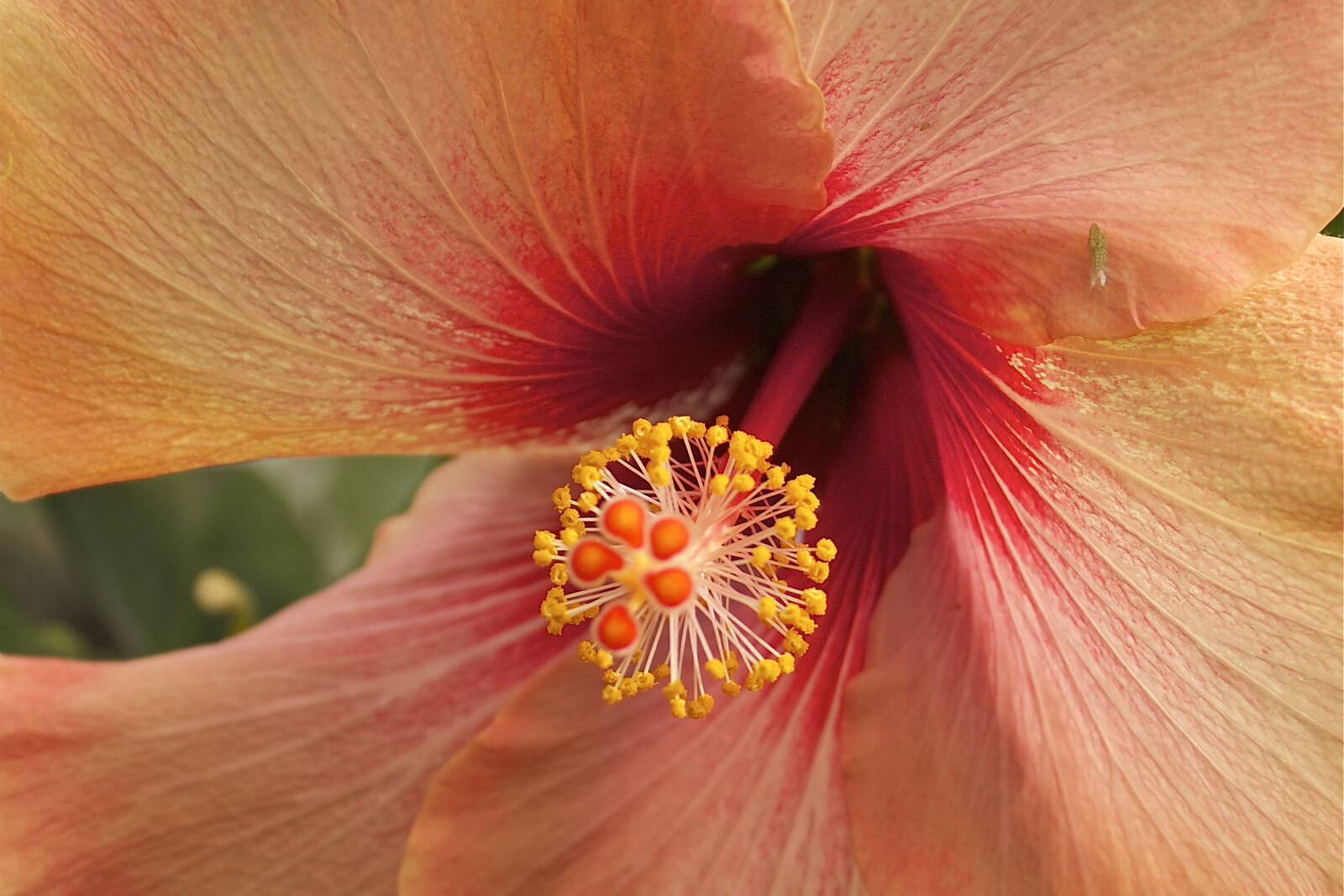

This place does not have an audited photo yet.
Selected place
Begonia House and Picnic Cafe
Local name: Begonia House / Picnic Cafe
The glass complex shows what became of a private gift the city had awaited for many years.
Start with 22 highlights or open the complete catalog of 158 curated places.
Highlights include Begonia House and Picnic Cafe, Bolton Street Cemetery, Cable Car Museum, Clyde Quay Boat Sheds, Katherine Mansfield House & Garden, Kelburn Viewing Platform.
We have connected important places into ready-made walks with a clear order, stories and practical details.
Start with 22 highlights, or reveal all 158 curated places.
Local name: Begonia House / Picnic Cafe
The glass complex shows what became of a private gift the city had awaited for many years.
The glass complex shows what became of a private gift the city had awaited for many years.
The finale will link the green descent with the motorway and the work of volunteers who deciphered fading inscriptions.
The old cars and drive show what was saved after the line was completely rebuilt.
The sheds show that the boat harbour remains a workshop where old vessels return to the water.
Here, preservation became work based on traces hidden inside converted apartments.
The line panorama will become the backdrop for a dispute over who was allowed to operate its new cars.
Behind the rose garden's formal layout lies the story of a gardening mistake that people preferred not to publicize.
The National Museum of New Zealand will serve the route as a place where a collection of collections was supplemented by a functioning venue for different communities.
This stop shifts the discussion from government buildings to originals whose preservation is the archivist's responsibility.
This stop shifts from the intimate timber of the church to a state palace and tests whether its facade can be trusted.
Here it will become clear why preserving the church meant keeping intact not only its material, but also its structure.
Here, beach names connect the bay’s early settlement, the city’s public baths, and a skill that proved useful far from Wellington.
The observatory adds another story of a long wait on the same city ridge to the route.
The finale will link the library, the city center, and the harbor in a single crossing, where an engineering task became a carved story of arrival.
Here, the route tests whether a building constructed for a community can resolve a dispute over ownership of its boat.
The finale will link the old coastal road, a wooden fire, and the building erected on the former site.
On the slope, you will see the result of an experiment for which plants were once chosen for their practical usefulness.
This stop will remind you that a public place can preserve an act that no plaque marks.
Here you will see why the route up the hill began with a small plot in one of the city’s most expensive blocks.
The wharf adds to the port’s history a rare example of shared care for a stray dog.
Here the route shows how a public building became a place where, after a maritime disaster, people had their names restored to them.
The lagoon shows how local knowledge became established not through a monument, but through an official name for the water.
Nearest audio-route stop: Wellington Museum and Queens Wharf — 90 m in a straight line, route Wellington Harbour and Waterfront
Nearest audio-route stop: Whairepo Lagoon — 70 m in a straight line, route Wellington Harbour and Waterfront
Nearest audio-route stop: Wellington Railway Station — 60 m in a straight line, route Thorndon: Parliament and Wooden Wellington
Nearest audio-route stop: Museum of New Zealand Te Papa Tongarewa — 120 m in a straight line, route Wellington Harbour and Waterfront
Nearest audio-route stop: Te Matapihi ki te Ao Nui and the City to Sea Bridge — 60 m in a straight line, route Wellington Harbour and Waterfront
Nearest audio-route stop: Te Matapihi ki te Ao Nui and the City to Sea Bridge — 90 m in a straight line, route Wellington Harbour and Waterfront
Nearest audio-route stop: Whairepo Lagoon — 120 m in a straight line, route Wellington Harbour and Waterfront
Nearest audio-route stop: Oriental Bay and Freyberg Beach — 30 m in a straight line, route Wellington Harbour and Waterfront
Nearest audio-route stop: Bolton Street Cemetery — 50 m in a straight line, route Wellington Cable Car and Wellington Botanic Garden ki Paekākā
Nearest audio-route stop: The Thistle Inn — 110 m in a straight line, route Thorndon: Parliament and Wooden Wellington
Nearest audio-route stop: Wellington Cable Car Terminal on Lambton Quay — 130 m in a straight line, route Wellington Cable Car and Wellington Botanic Garden ki Paekākā
Nearest audio-route stop: Katherine Mansfield House & Garden — 70 m in a straight line, route Thorndon: Parliament and Wooden Wellington
Nearest audio-route stop: Te Matapihi ki te Ao Nui and the City to Sea Bridge — 70 m in a straight line, route Wellington Harbour and Waterfront
Nearest audio-route stop: Katherine Mansfield House & Garden — 80 m in a straight line, route Thorndon: Parliament and Wooden Wellington
Nearest audio-route stop: Museum of New Zealand Te Papa Tongarewa — 10 m in a straight line, route Wellington Harbour and Waterfront
Nearest audio-route stop: Museum of New Zealand Te Papa Tongarewa — 30 m in a straight line, route Wellington Harbour and Waterfront
Nearest audio-route stop: Wellington Museum and Queens Wharf — 40 m in a straight line, route Wellington Harbour and Waterfront
Nearest audio-route stop: Wellington Cable Car Terminal on Lambton Quay — 150 m in a straight line, route Wellington Cable Car and Wellington Botanic Garden ki Paekākā
Nearest audio-route stop: Old St Paul's — 40 m in a straight line, route Thorndon: Parliament and Wooden Wellington
Nearest audio-route stop: Wellington Museum and Queens Wharf — 130 m in a straight line, route Wellington Harbour and Waterfront
Nearest audio-route stop: National Library of New Zealand and He Tohu — 100 m in a straight line, route Thorndon: Parliament and Wooden Wellington
Nearest audio-route stop: Oriental Bay and Freyberg Beach — 120 m in a straight line, route Wellington Harbour and Waterfront
Nearest audio-route stop: National Library of New Zealand and He Tohu — 110 m in a straight line, route Thorndon: Parliament and Wooden Wellington
Nearest audio-route stop: National Library of New Zealand and He Tohu — 110 m in a straight line, route Thorndon: Parliament and Wooden Wellington
Nearest audio-route stop: Old Government Buildings — 110 m in a straight line, route Thorndon: Parliament and Wooden Wellington
Nearest audio-route stop: Museum of New Zealand Te Papa Tongarewa — 100 m in a straight line, route Wellington Harbour and Waterfront
Nearest audio-route stop: Te Matapihi ki te Ao Nui and the City to Sea Bridge — 20 m in a straight line, route Wellington Harbour and Waterfront
Nearest audio-route stop: Lady Norwood Rose Garden — 120 m in a straight line, route Wellington Cable Car and Wellington Botanic Garden ki Paekākā
Nearest audio-route stop: Te Matapihi ki te Ao Nui and the City to Sea Bridge — 90 m in a straight line, route Wellington Harbour and Waterfront
Nearest audio-route stop: Wellington Museum and Queens Wharf — 30 m in a straight line, route Wellington Harbour and Waterfront
Nearest audio-route stop: Clyde Quay Boat Sheds — 100 m in a straight line, route Wellington Harbour and Waterfront
Nearest audio-route stop: Space Place at Carter Observatory — 110 m in a straight line, route Wellington Cable Car and Wellington Botanic Garden ki Paekākā
Nearest audio-route stop: National Library of New Zealand and He Tohu — 70 m in a straight line, route Thorndon: Parliament and Wooden Wellington
Nearest audio-route stop: Whairepo Lagoon — 80 m in a straight line, route Wellington Harbour and Waterfront
Nearest audio-route stop: Whairepo Lagoon — 120 m in a straight line, route Wellington Harbour and Waterfront
Access and construction years come from OpenStreetMap and Wikidata, snapshot of August 25, 2026: database data, not a check on the ground.