Baikal Museum
Local name: Байкальский музей Сибирского отделения РАН
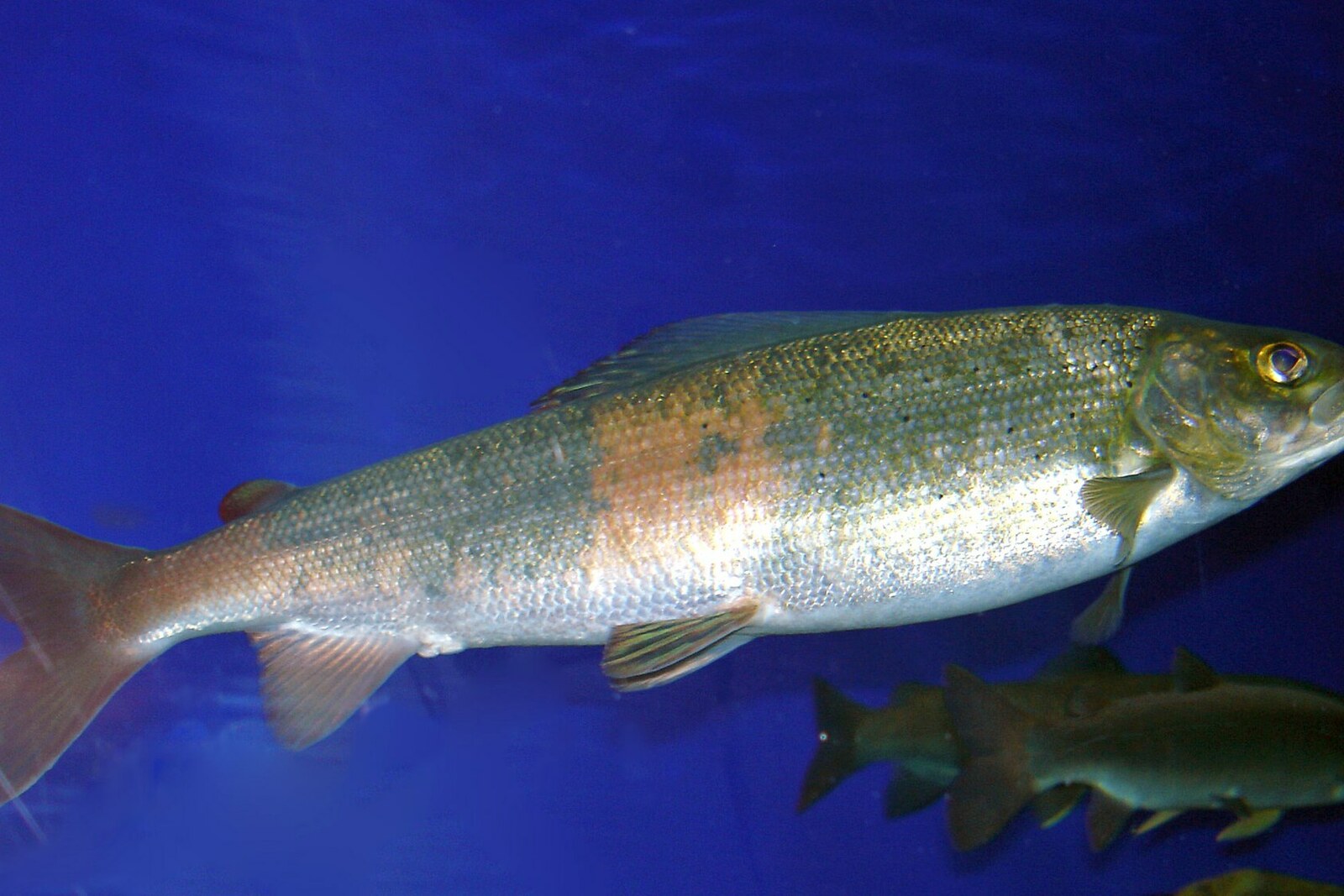
This stop will explain how a scientific building was turned into a place where visitors are shown living inhabitants in water from the lake.
Start with 15 highlights or open the complete catalog of 77 curated places.
Highlights include Baikal Museum, Buryat Summer Camp, Cascade of Watermills, Chersky Stone, Church of the Saviour, Epiphany Cathedral.
We have connected important places into ready-made walks with a clear order, stories and practical details.
Start with 15 highlights, or reveal all 77 curated places.

Local name: Байкальский музей Сибирского отделения РАН
This stop will explain how a scientific building was turned into a place where visitors are shown living inhabitants in water from the lake.
The layout of the ulus will explain how families positioned their homes so that the shared herd would be protected at night.
Here you will understand why, during the relocation, not only the buildings but the entire course of the water had to be recreated.
The final panorama makes it possible to see at once the rocks, the source, and the shores that the geologist connected on his map.
The facade shows where newly discovered paintings stand beside the work of restorers.
This is where the story begins of how professional dissent preserved a city landmark.
One carved facade makes it necessary to clarify exactly what Irkutsk calls a restored monument.
Here you will see how preserving the wooden city clashed with anniversary-driven commerce.
This stop will show which of the church’s former appearances was chosen for restoration and which traces of the other version were preserved.
This stop connects the riverside checkpoint with the first Irkutsk episode of the Decembrists’ exile.
The underwater ridge will connect the old icebreaker's passage with Buryat legends of judgment on the rock.
Here you will see how the only surviving tower became the entrance to an ostrog that no longer stands in its original location.
The story of the second relocation will show how a poor parish preserved both the building and its services.
The ending will show how a mistaken attribution itself became part of the history of this place.
A family move will turn the larger story of exile into a decision about a son’s education.