 Guide On Map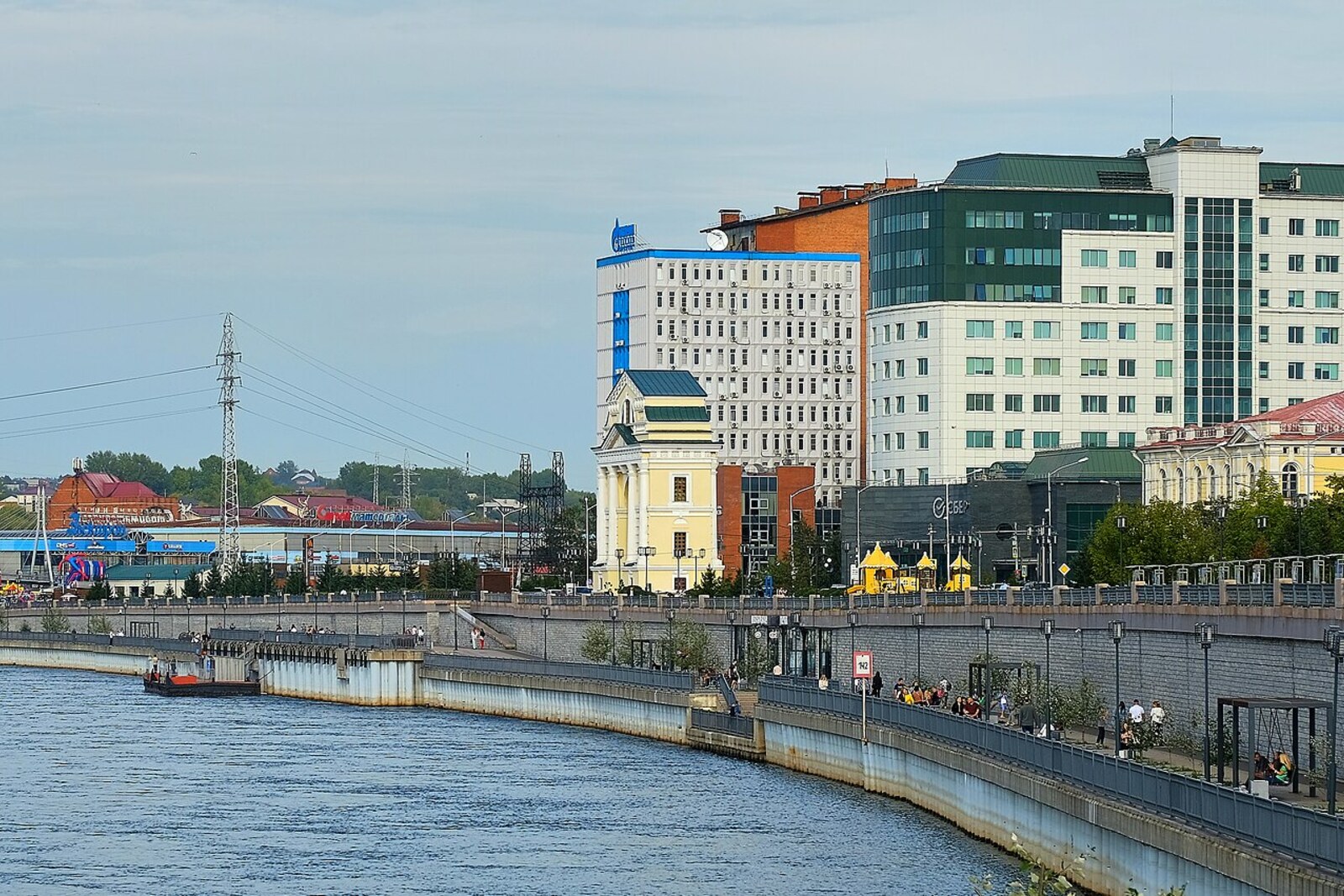
Look around first
What to notice
- The arch of Moscow Gates
- Angara River
- Filled platform
The story of the place
The arch of Moscow Gates stands on a filled platform by the Angara River, where the city riverbank once gave way to the checkpoint. Those arriving from the west passed through it: first they crossed the river, then their papers were checked and they were entered in the city records. Beyond the river began Moscow Highway, the overland road to the European part of the country; from here Irkutsk opened before the traveler. The gates’ name is connected with this direction, although the arch itself was erected to mark the tenth anniversary of the reign of Alexander I.
On August twenty-seventh, eighteen twenty-six, Irkutsk residents gathered at Moscow Gates. They were waiting for the first group of Decembrists, sentenced to penal servitude after the failed uprising against autocracy and serfdom. Yevgeny Obolensky, Vasily Davydov, Artamon Muravyov, and Alexander Yakubovich had only recently been officers, living on their salaries; now they had been stripped of their ranks and nobility and were being transported in shackles across the country.
Pavel Zdor, an official of the provincial administration, was among the people by the Angara River. He approached a cart guarded by a gendarme and placed fifty rubles in the hands of two prisoners. Zdor did not know their names at the time—only later did he learn that the money had gone to Muravyov and Davydov. He did not dare speak with the prisoners in the presence of the courier. This brief episode is known from testimony the official later gave during an inquiry.
The meeting was held here precisely because Moscow Gates were the city checkpoint. Beyond the Angara River began Moscow Highway, the overland road to the European part of the country. Travelers crossed the river; at the gates, officials checked their documents and entered arriving visitors in the city records. That is why the arch was called Moscow, although it was erected to mark the tenth anniversary of the reign of Alexander I. For a person arriving from the west, Irkutsk began on this bank.
Nikolai Gorlov, chairman of the provincial administration and acting governor, had to decide the Decembrists’ fate. He had no exact new order concerning the place of penal servitude, but the earlier law prescribed sending those convicted of rebellion to the Nerchinsk Mines. Gorlov chose another course. Following a doctor’s opinion, he ordered the prisoners’ shackles removed, allowed them to rest, and assigned them to three state enterprises near Irkutsk: a saltworks and two distilleries. Conditions there were milder than at Nerchinsk, and the prisoners could communicate with local residents.
The leniency lasted several weeks. When an inquiry came from the capital, it emerged that the Decembrists were not at all where they were expected to be. They were returned to Irkutsk and, on October eighth, sent to Nerchinsk penal servitude, to Blagodatny Mine. Gorlov had to explain both his choice of factories and the removal of the guard, after which townspeople gained access to the prisoners. In eighteen twenty-eight, the emperor approved the Senate’s decision: Gorlov was dismissed from his post and then removed from government service altogether.
The arch beneath which Irkutsk residents met the convicts has not survived to the present day. It was dismantled in nineteen twenty-eight, when its walls leaned toward the Angara River and became covered in cracks. The present gates were built in nineteen eleven from old drawings and photographs, on a riverbank already widened by fill. At the same time, the foundation of the former checkpoint was found nearby. It was beside it that the carts, the gendarme, and the official with fifty rubles in his hand stood.
Useful on site
The embankment is accessible around the clock; Moscow Gates are usually viewed from outside, with no consistent museum access inside.
Checked: date not specified. Check the official source before visiting.View the gates as a modern return of a lost image, not as a surviving XIX-century monument. Do not count on access inside.