 Guide On Map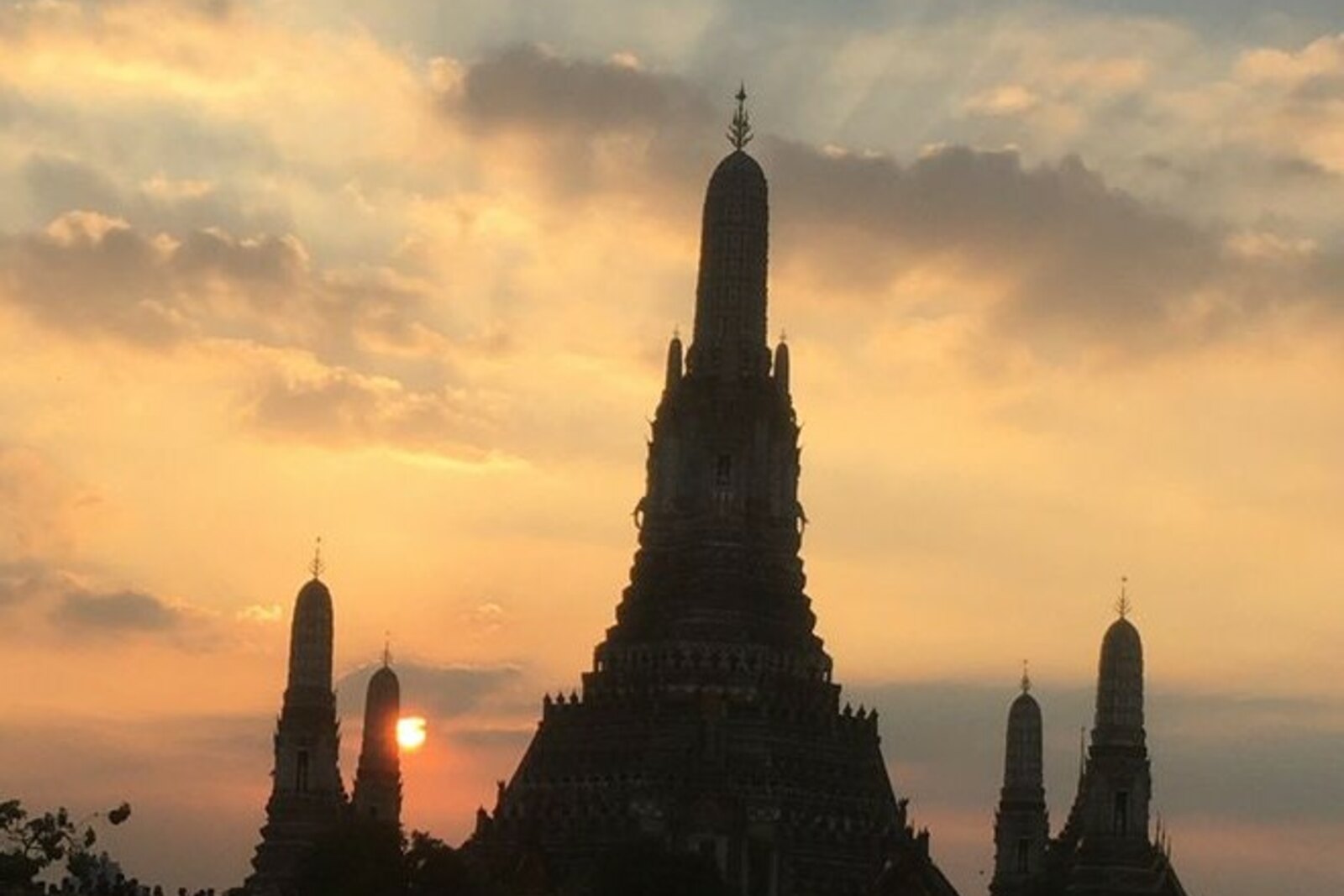
Look around first
What to notice
- Two-story commercial rows
- Shops selling dried and salted fish
- River pier
- Ferry across the Chao Phraya River
The story of the place
On this bank, the state housed officials and opened the Foreign Court, where disputes involving people arriving from other states were heard. At its doors, embassies traveling to the palace stepped ashore from boats. Houses of Prince Surinrak's descendants once stood here; after the fire, the family moved away and the plot became state land. The long two-story buildings with shops are now occupied mainly by dried and salted fish, while a ferry crosses the Chao Phraya River at the water's edge.
A boat from Tha Tien crosses the Chao Phraya River and, a few minutes later, sets passengers down by Wat Arun. This pier is much older than the present tourist route. When Bangkok had few roads, merchants brought goods here from the gardens of Thonburi and from the northern and southern provinces. Chinese traders turned the decks of junks moored on the river into counters, while cargo was unloaded ashore from local boats. From here, city markets and buyers from the nearby palace took it away.
By the middle of the nineteenth century, floating shops, wooden houses, workshops, and the residences of junior members of the royal family crowded around the pier. The land by the water belonged to the descendants of Prince Surinrak, a son of Rama I. They lived amid the trading quarter because proximity to the pier brought rental income and supplied the palace with goods.
Under King Mongkut, a fire began in the buildings of Prince Maha Hong, one of Surinrak's sons. The chronicle does not name its cause. The fire swept through the wooden development as far as Wat Pho. It burned down twenty-eight houses belonging to Surinrak's descendants, three buildings belonging to Maha Hong himself, dozens of houses of officials and townspeople, a royal workshop, and more than a hundred logs prepared for construction. The prince's relatives lost their residence and moved away; the former palace plot became vacant state land.
King Mongkut ordered the cleared riverbank to be used for the Foreign Court—an institution that heard cases involving visiting subjects—and for officials' housing. He assigned the dignitary Phraya Phet Phichai to oversee the construction. Foreign embassies disembarked at the new complex and set off from here for the palace. Official papers used the name Tha San Tang Prathet, “the Foreign Court pier.” Townspeople did not adopt it and continued to say Tha Tien.
The fire really did happen, but its link to the name remains a version. In Thai, “tha” means pier, while “tien” means a cleared, open area: after the disaster, the name sounded literal. Another version derives it from the name of the Vietnamese port of Ha Tien: people from there had lived on this bank as early as the reign of King Taksin. No document that would conclusively settle the dispute has been found.
Later, officials of the royal treasury built up the riverbank with two-story commercial rows, and merchants filled the warehouses again. In nineteen fifty-three, Prime Minister Plaek Phibunsongkhram, seeking to consolidate and clear up city markets, ordered the wholesale trade in vegetables and fruit moved to Pak Khlong Talat. Sellers of fresh produce went there; in Tha Tien's old rows, mainly traders in dried and salted fish remained. The crossing by the water survived, and beyond its gates survived the name of the pier that, after the fire, had been renamed the Foreign Court.
Useful on site
The short crossing to Wat Arun is listed as about 3 minutes and roughly every 10 minutes; confirm the schedule, boarding, and payment at the pier.
Checked: June 28, 2026. Check the official source before visiting.Follow the signs for the operating pier and confirm the direction before boarding; the riverbank and boat traffic pattern may change.