 Guide On Map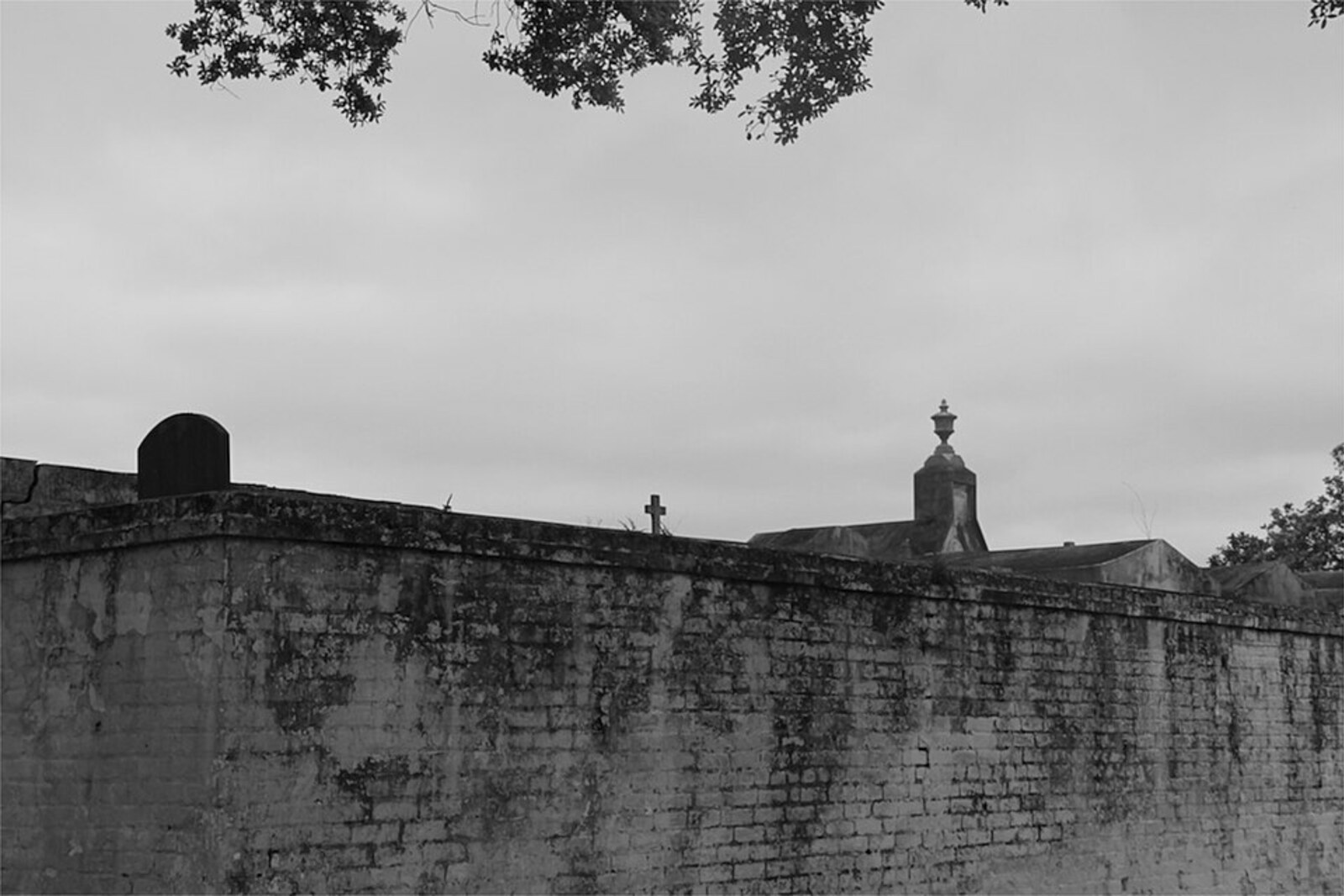
Look around first
What to notice
- Gates with the name
- Above-ground family tombs
- The crossroads of cemetery roads
The story of the place
The gates read “Lafayette Cemetery No. 1,” although the Marquis de Lafayette himself is not buried here. Gilbert du Motier, Marquis de Lafayette, was a French officer who fought for the independence of the United States. After his ceremonial arrival in New Orleans in April eighteen twenty-five, a suburb was named after him. When several settlements were combined into the city of Lafayette, its council set aside this square block for a municipal cemetery.
It opened in eighteen thirty-three. Two broad roads crossed in the middle and divided the site into four parts, so that funeral processions could pass between the graves. Legislators joined the city of Lafayette to New Orleans in eighteen fifty-two. By the following summer, the cemetery's layout had to be tested by a death toll its founders could not have foreseen.
During the yellow fever epidemic, nearly eight thousand people died in New Orleans over several months. Many were recent immigrants from Ireland and the German lands, who had come to earn a living and had not yet lived through a single local epidemic. People did not know then that mosquitoes carried the virus. Cemetery staff could no longer keep up: coffins arrived faster than workers could prepare burial places.
On Sunday, August fourteenth, seventy-one coffins were left at the gates of Lafayette Cemetery No. 1. New Orleans Mayor Abdiel Crossman tried urgently to find grave diggers and offered them pay that was extraordinary for the time—five dollars an hour. He ordered a chain gang from the city prison to be put to work as well. After mixed chain gangs were banned in eighteen thirty-one, Black prisoners were assigned to such work in New Orleans.
By evening, the prisoners, who had been digging since the middle of the day, were already leaving. They were met by Gershom Kursheedt, chairman of the cemetery committee of the city board of health: his task was to ensure that the bodies would not remain at the gates for another day. Kursheedt promised the men extra pay and dinner. They returned. They worked through the night and continued the next day; by half past three, all seventy-one people had been buried. After that, city officials temporarily banned new bodies from being brought here. One of the roads to another cemetery had been washed out, so the stream of the dead had to be redirected to other sites.
That night, the prisoners dug ordinary earthen graves. The above-ground family tombs by which Lafayette Cemetery No. 1 is now recognized belonged to private owners; in mass burials of poor immigrants, people were also buried directly in the ground. The cemetery is now closed to the public during repairs, and relatives of those buried there are admitted by appointment. Beyond the gates remain four blocks and the crossroads of roads for processions, and above the gates, the name of the vanished city, while seventy-one people waited for burial at the gates in August eighteen fifty-three.
Useful on site
Closed to the public for repairs; viewing from the street only.
Checked: June 28, 2026. Check the official source before visiting.Do not try to enter or look over the construction barriers; this stop is intended to be observed from the street.