 Guide On Map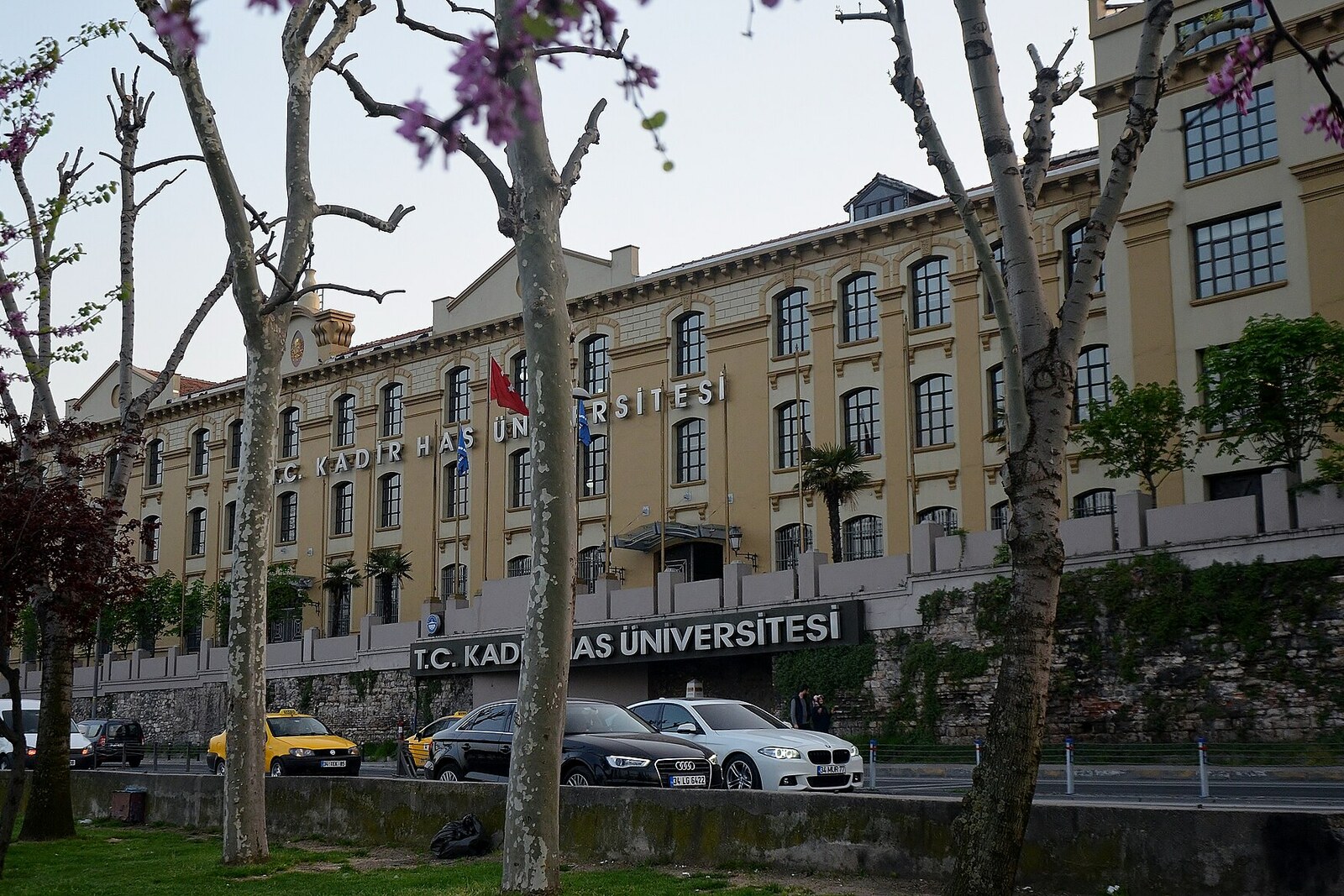
Look around first
What to notice
- Brick factory buildings
- Stone walls
- Arched windows
- Arches of the old cistern
The story of the place
In these brick buildings, tobacco and cigarettes were made until the mid-nineteen nineties. The factory was built in eighteen eighty-four for the Régie Company, a tobacco monopoly that received the right to buy, tax, and process tobacco throughout the Ottoman Empire. The site was chosen by the Golden Horn: it was cheaper to bring raw materials in by water, and people who could be hired lived nearby. In the early twentieth century, one thousand five hundred women and six hundred sixty-two men worked here. The complex included workshops, warehouses, dining halls, a hospital, a nursery, and its own fire brigade.
Workers were divided among the workshops. Men carried bales, cut leaves, and operated the machines. Women filled and rolled cigarettes by hand, weighed tobacco, and sealed packs. If the total weight of a batch was wrong, a hundred packs had to be emptied and filled again. Supervisors watched over the rows of tables, and the weekly payment was the money families lived on.
In nineteen oh four, the factory held back part of these payments. The workers demanded to be paid before the Easter holidays, as the management had done a year earlier. When they were refused, two hundred fifty people stopped production and went from Cibali to Galata, to the Régie Company's office in the Ottoman Bank building. Fifty women were among them.
The management agreed to pay the Greek workers who celebrated Easter, but refused the Jewish workers who had joined them and dismissed them. The police named twelve alleged leaders of the strike. The list included the female tobacco workers Marie Behar, Rachel Eskenazi, and Bin Behar, who were seeking the same payments; apparently, all three lost their jobs. So the participants won part of the money, but the management divided them by religion and punished those who had supported someone else's demand.
Photographs commissioned by the factory management show a completely different scene: orderly rows of women at tables, white aprons, partitions between workshops. There is no march in them. But now Rezan Has Museum, inside the former factory, keeps these photographs, payroll documents, packs, and factory machines.
After production stopped, the buildings stood empty for several years. Kadir Has made his fortune selling trucks and tractors, then through automotive-industry businesses. Together with his wife Rezan, he founded a charitable foundation; the couple bequeathed their entire fortune to it and decided to invest part of the funds in a university. Their foundation received the abandoned factory, and the architect Mehmet Alper had to place classrooms here without destroying the industrial building. Restoration continued from nineteen ninety-eight to two thousand two. The stone walls, brick facades, arched windows, and spacious workshops were preserved; classrooms, laboratories, and a library appeared among them.
Kadir Has lived to see the factory become a university. He died on March twenty-second, two thousand seven, and before his funeral, his coffin was brought here for people to pay their respects. Six days later, the campus received his name. In May of the same year, a museum opened in the lower part of the building, named after Rezan Has, Kadir's wife, cofounder of the foundation, and participant in his educational projects.
Beneath the university classrooms, the museum occupies the remains of a seventeenth-century Ottoman structure and the eleventh-century Seferikos Cistern. Factory owners once kept tobacco in its forty-eight arches. Now archaeological finds and company documents are exhibited there, including evidence about the people who left these buildings to demand their withheld weekly pay.
Useful on site
Rezan Has Museum is open daily from 9:00 to 18:00; closed on 1 January and on the first day of religious holidays.
Checked: June 17, 2026. Check the official source before visiting.The campus remains a working university space, and the museum has its own visiting rules. Check access in advance; without admission, you can focus on the scale and industrial appearance of the buildings.