 Guide On Map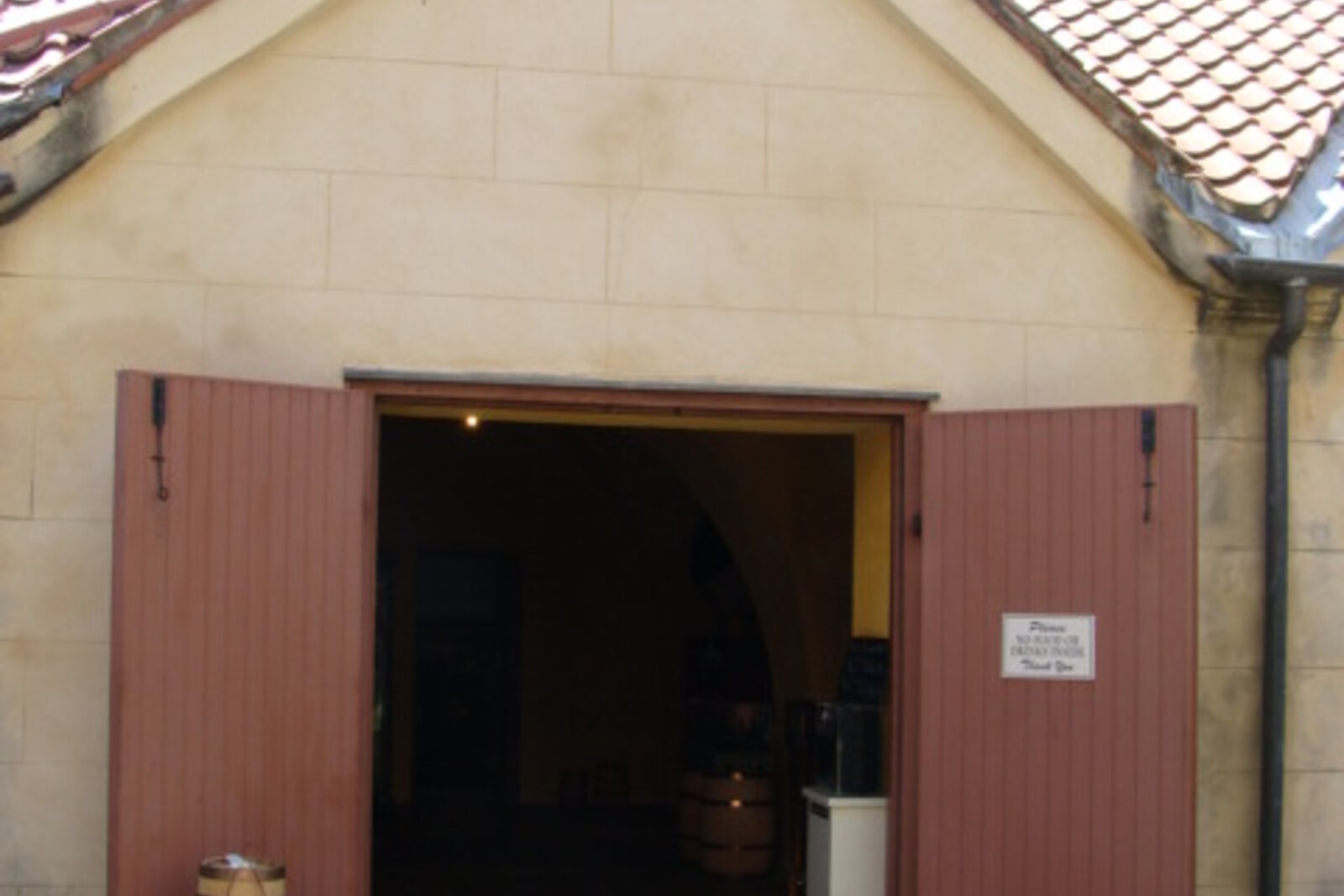
Look around first
What to notice
- Thick brick walls
- Vaulted ceiling
- Later window openings
The story of the place
The present windows in the brick facade were not there from the start: inside was one windowless room for storing gunpowder. It was built in the early eighteenth century on an open site by the northern city wall, away from residential quarters. Thick masonry, a vault above the ceiling, and a layer of sand on top were meant to direct a possible explosion upward, then smother the fire with falling sand. The city long ago grew around the former edge, and a museum of colonial Charleston now operates within these walls.
On May seventh, seventeen eighty, a British artillery bomb exploded less than ten meters from here. Charles Town—as Charleston was then called—had been under siege for more than a month. In this building, the American garrison kept ten thousand pounds of gunpowder, more than four and a half tons.
General William Moultrie was responsible for the city's defense. His artillery needed the gunpowder, but another direct hit could destroy both the ammunition and the people around the magazine at once. Five days later, the garrison was to capitulate; Moultrie had very little time left to decide.
The building was erected in seventeen thirteen, when the northern edge of the fortified city ran here. The legislators chose an open site near the wall, away from most houses. Inside, they arranged a single windowless room. The brick walls at the base were made about thirty-two inches thick, the vaults directed the force of a possible explosion upward, and sand was piled over them: it was intended to fall inside and smother the fire.
By seventeen eighty, the city had long since surrounded the old powder magazine with houses and churches. Moultrie did not test its design on the next British shell. He ordered all the gunpowder moved to the Exchange Building by the harbor, stacked in the northeastern corner of the basement, and the doors and windows of the room bricked up.
After the capitulation, Moultrie was taken prisoner, and the British military occupied the city. In an adjoining room of the same basement, they set up a prison, yet they discovered nothing behind the new brick wall. The gunpowder lay beside their guard for more than two years. When the British left Charleston and Moultrie returned, the hiding place was untouched.
A museum of colonial Charleston now operates in the former magazine. The windows were cut through later; the thick walls and vaulted structure remain. During the city's main siege, The Powder Magazine itself survived here, while the gunpowder that gave it its name waited out the occupation beneath the Exchange Building.
Useful on site
Group visits and private tours by advance reservation; check independent access in advance.
Checked: June 28, 2026. Check the official source before visiting.The small exhibition requires separate admission, but the building's defensive design is clear from the street as well. Do not judge this stop by its size.