 Guide On Map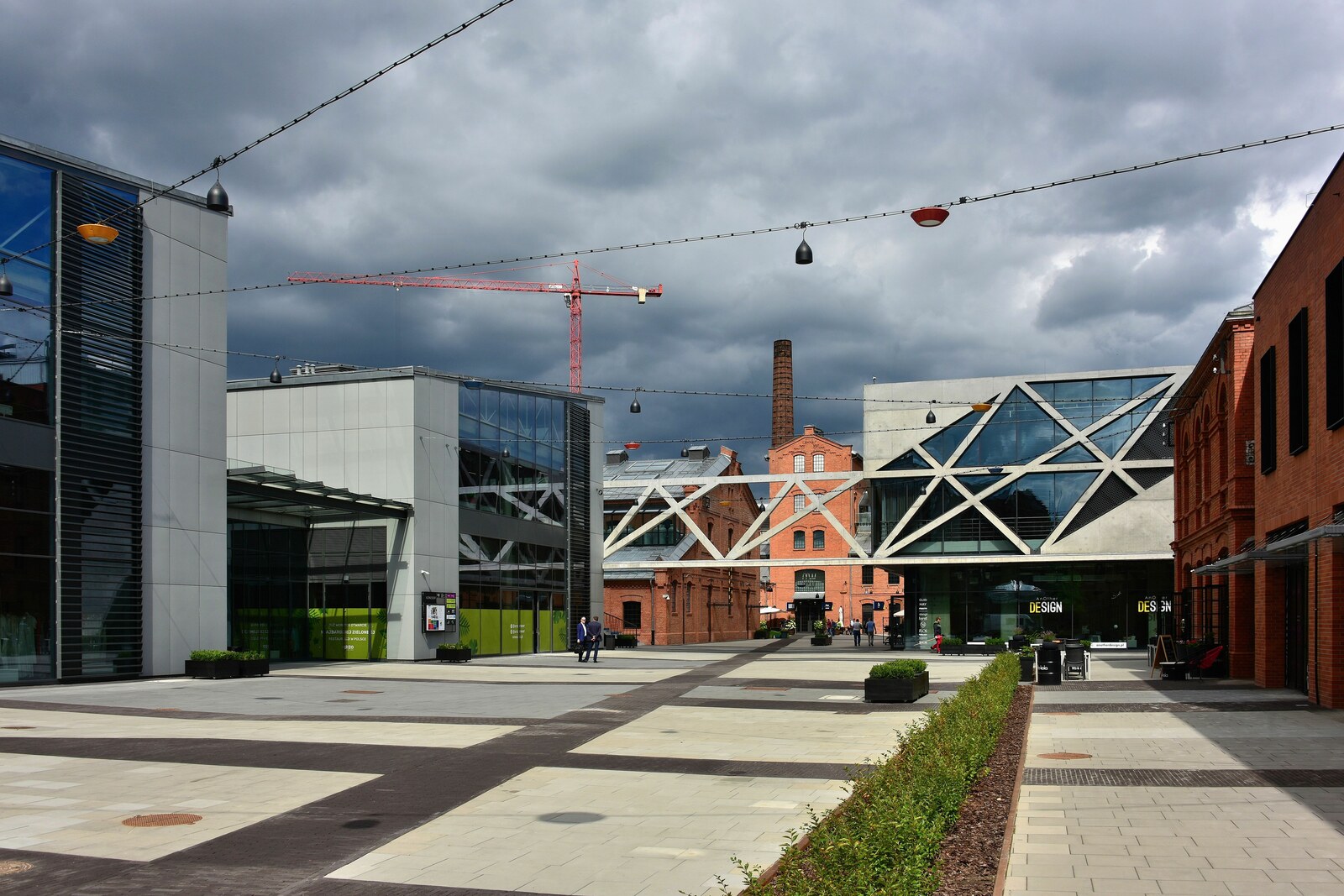
Look around first
What to notice
- Red-brick buildings
- Former rectification building
- Guardhouse
- Factory administration building
The story of the place
At the end of the nineteenth century, the plot by the railway was connected by a separate spur so that raw spirit could be delivered here. In some buildings it was refined, and in neighboring ones it was turned into vodka; warehouses, workshops, offices, and housing for employees operated around them. Among the brick facades, the guardhouse and the factory administration building survive, recalling the order of a closed enterprise. The Polish Vodka Museum now operates in the former rectification building.
During the German occupation, the manager of this factory would take a crate of vodka from the warehouse and go to the Gestapo headquarters on Szucha Avenue or to the transit camp on Skaryszewska Street. There he offered factory goods in exchange for a detained worker.
The manager’s name was Wilhelm Horak. In nineteen forty, the occupation administration assigned this Czech engineer to run the Warsaw Spirit Monopoly. Horak wanted to protect the people for whom he was responsible. He secured an insert for every worker’s ID: the bearer was employed at an important military enterprise. Such a document could stop deportation for forced labor. If it proved insufficient, Horak went to fetch the arrested person himself.
According to the recollections of a former worker, this is how he saved the factory gatekeeper Tadeusz Piestrzyński. Piestrzyński’s name had already been printed on a notice announcing an impending execution, but Horak managed to free him. The manager wrote permits for the poorest employees to collect vodka from the warehouse: usually on a scrap of paper, and once directly on a board that happened to be at hand.
Horak’s family lived right here, in a service building on Markowska Street. His position, income, and housing were given to him by the very administration whose decisions he circumvented with IDs and factory crates. When the Red Army approached Praga in nineteen forty-four, the workers helped Horak escape. He made it to Czechia, but there he was arrested and handed over to the Soviet side. In a prisoner-of-war camp, the chemical engineer painted automobiles. After his release, he settled in West Germany and died in the seventies.
Vodka crates could become a means of rescue here because the entire quarter was organized around alcohol. At the end of the nineteenth century, entrepreneurs and the treasury chose a plot beside the railway and ran a separate spur to it. The private Warsaw Rectification refined raw spirit, while the neighboring state warehouse turned it into vodka. Guarded warehouses, workshops, offices, and housing for employees appeared around them.
The name Koneser is much younger than the red-brick buildings. The factory received it only in nineteen ninety-four, in the final period of its operation. Production stopped in two thousand seven, and the new quarter retained the factory’s last sign.
Now, behind the open gates, there are apartments, offices, a hotel, restaurants, and venues for cultural events. The Polish Vodka Museum occupies the former rectification building—the very one where alcohol was actually refined. The guardhouse and the factory administration building have survived nearby, while the warehouses from which Horak carried crates in exchange for arrested workers have acquired new doors and new owners.
Useful on site
The quarter’s courtyards are open as public space; the quarter’s official website states that its gates are open around the clock. The Polish Vodka Museum operates on guided-tour slots; check tickets and the tour language for the day of your visit.
Checked: June 29, 2026. Check the official source before visiting.The publicly accessible grounds can be explored without a museum tour. Plan the exhibition visit and tasting separately; the tasting is intended for adults only.