 Guide On Map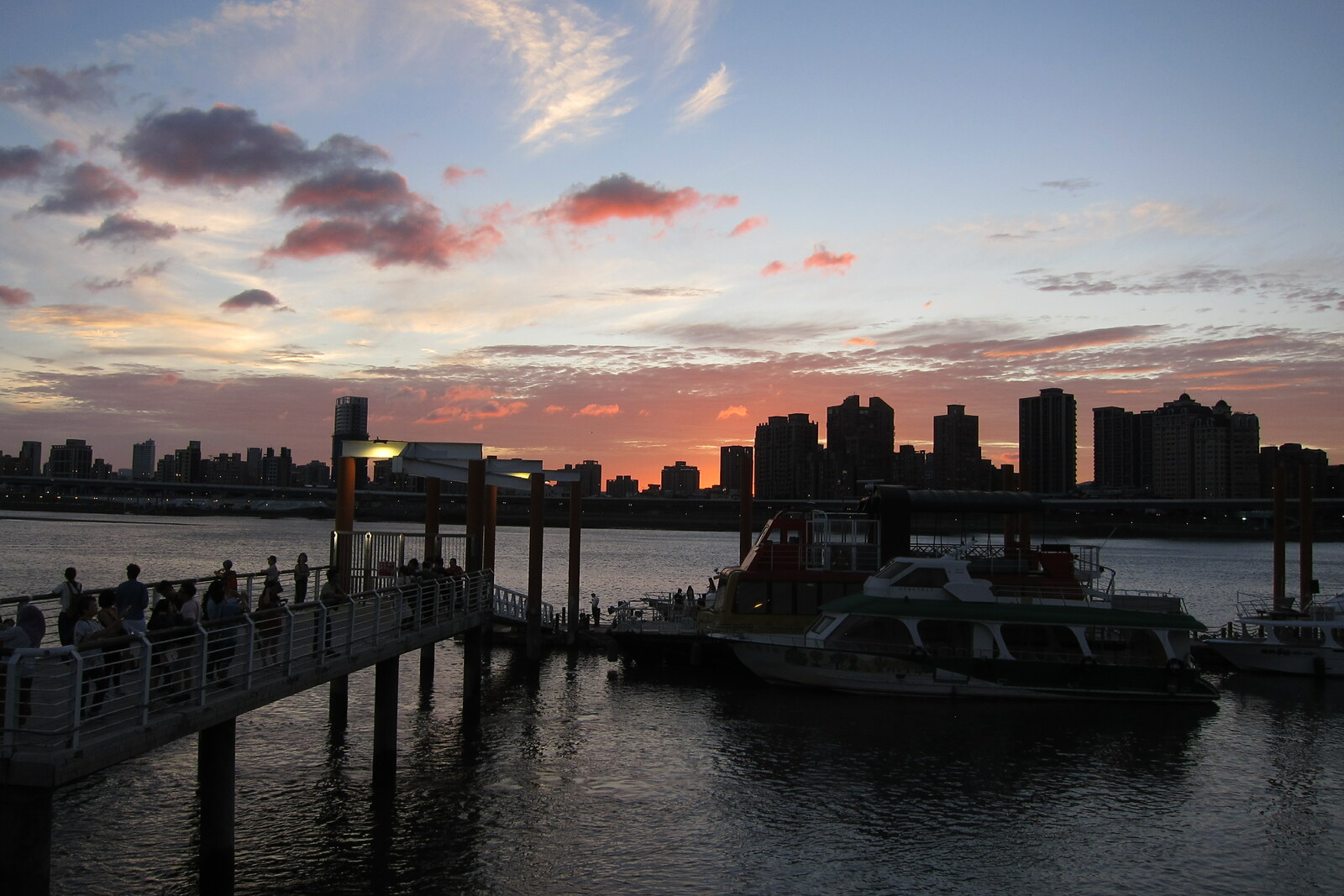
Look around first
What to notice
- Fifth Water Gate
- Floating pier
- Sightseeing vessels
- Tamsui River
The story of the place
At the Fifth Water Gate, a floating platform is moored at the river and is now used by sightseeing vessels. When the waterfront was alive with cargo work, loading places extended along it in a strip rather than converging at a single stone pier. Large vessels waited farther out in the channel because of the shallow water, and cargo was brought to them on small boats with red bows. Later, the railway and shallowing shifted the export of goods to Keelung, but the present wharf preserves this stretch of waterfront’s connection with river traffic.
The tea that brought the wharf into being here grew out of someone else’s debt. John Dodd, a British trader, put up money for a harvest that did not yet exist. He came to northern Taiwan for camphor but decided to make money from tea. In eighteen sixty-six, Dodd brought oolong seedlings from Anxi and offered them to local farmers on credit. He promised to buy the leaves they grew, while his comprador, Li Chunsheng, issued loans and made arrangements with the farmers. A comprador was an intermediary who handled a foreign firm’s business with local suppliers; whether people believed the foreigner’s promises depended on Li.
At first, Dodd set up a tea factory in Bangka. The traders there opposed the foreign firm, and in eighteen sixty-nine Dodd moved production to Dadaocheng. Here, his goods could be brought to the water through warehouses and long shophouses, then sent downriver to the seaward part of Tamsui Port. Dodd brought in masters from Fujian, bought equipment, and began refining, sorting, and roasting tea before sale.
That same year, crates from the first large shipment intended directly for the United States were carried from the Dadaocheng waterfront. Nearly one hundred thirty tons of oolong were loaded onto two large sailing ships and sent to New York, bypassing tea intermediaries in Xiamen. The crates bore the name “Formosa Oolong”: the goods were already sold as tea from Taiwan, rather than as an anonymous Chinese variety.
Buyers received it so well that the price of Taiwanese tea doubled within a year. Dodd gained a market, farmers gained a buyer for their new harvest, and Li Chunsheng grew rich from the trade, becoming one of northern Taiwan’s largest entrepreneurs after starting out as a hired intermediary. Other foreign firms and local tea houses followed the first shipment. In its best years, Dadaocheng had more than two hundred tea businesses, and cargo handlers left crates on the wharf only until the next vessel arrived.
Large ships, however, did not lie right at the shore. The river was growing shallow, so they had to be left farther out in the channel, with cargo brought to them on small boats with red-painted bows. The wharf was an entire stretch of loading places, not a single stone pier. The old cargo berths extended farther north, between the Third Water Gate and Taipei Bridge.
The present wharf at the Fifth Water Gate roughly coincides with the point marked on a map from nineteen oh one as the departure place for small river steamers. Later, shallowing and the railway shifted tea exports to Keelung. Now sightseeing vessels depart from the floating pier; the tea crates of Dodd and Li Chunsheng were loaded mainly farther north, along the same bank.
Useful on site
Open waterfront; check the hours of the container market, boats, and establishments separately.
Checked: date not specified. Check the official source before visiting.The waterfront is exposed to sun, rain, and wind; stay on permitted paths and do not go beyond the barriers by the water.