 Guide On Map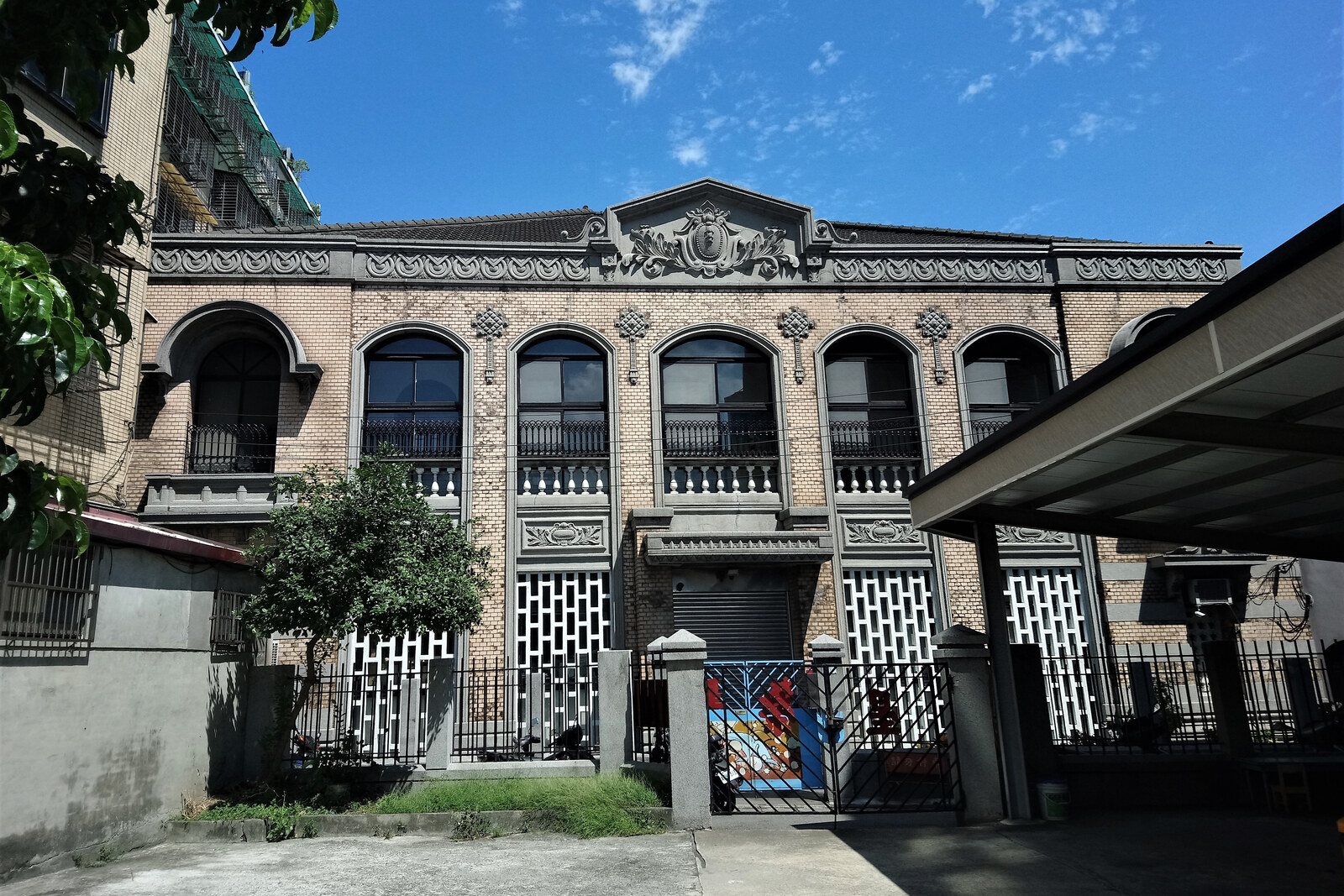
Look around first
What to notice
- Two-story front building
- “Rongxing” sign
- Kindergarten gate
The story of the place
The word “Rongxing” on the sign by the gate remains from a large family estate, of which only the two-story house by the street has survived to this day. The ground floor housed the city office for the salt trade, while the owners lived upstairs and guests stayed there; commercial ships came up to the estate's western side from the river. Deeper in the plot stood a salt warehouse, an ancestral hall, a residential wing, and a garden. These rear buildings were later dismantled to make room for classrooms and a playground.
In nineteen sixty-three, the entrepreneur Koo Wei-fu was given use of the empty family mansion and dedicated it to children. By then, he had already been involved in music education for six years. Koo Wei-fu believed music should be taught from childhood, and together with the composer Lu Chuan-sheng he created Taiwan's first private children's choir. Lu Chuan-sheng was responsible for the lessons and conducted; Koo Wei-fu made sure the children could study free of charge. At first, the sons and daughters of their acquaintances sang; open enrollment began the following year.
The choir needed rooms, and the Koo family house had stood empty after its owners moved away. Koo Wei-fu moved the rehearsals here and opened Rongxing Kindergarten. The organizers dismantled the rear ancestral hall, residential wing, salt warehouse, and part of the garden to make classrooms and a playground. The two-story front building was preserved. The kindergarten still occupies it, and the choir founded by Koo Wei-fu outlived its founder and continues to perform.
The salt warehouse was here because of Koo Wei-fu's father, the merchant Koo Hsien-jung. In eighteen ninety-five, the Japanese colonial administration abolished the previous state salt trade. The bet on a free market failed: the established distribution network collapsed, salt producers began abandoning their works, and prices diverged sharply from district to district.
Koo Hsien-jung, who had previously traded in coal and tea, proposed restoring controlled sales. In eighteen ninety-nine, officials adopted this arrangement: the state bought salt and transferred it to appointed merchants. Koo Hsien-jung received the right to distribute it and headed the island's association of salt sellers. Just two years later, the area of active salt fields had returned to its previous level, and surplus salt began to be exported to Japan. For the Koo family, this system became one of the main sources of its wealth.
Around nineteen twenty, Koo Hsien-jung built both an office and a house here at the same time. His Taipei business occupied the ground floor, so the building was nicknamed the “Salt Chamber”; family and guest rooms were upstairs. The western facade faced the quay on the Tamsui River: commercial ships could dock in front of the property. After nineteen forty-five, the family lost its former position in the salt trade, and the office closed. In nineteen sixty-one, the Koos finally moved out of the mansion.
The current sign reads “Rongxing.” Koo Wei-fu formed this name from the character “Rong” in his father Koo Hsien-jung's name and “xing” from his second name, Yao-hsing. Behind the gate remains the front part of the “Salt Chamber”; the rear rooms, where salt was stored and the family's ancestors were commemorated, disappeared when the kindergarten was established.
Useful on site
Historic facade viewed from outside; the interior is not freely open to tourists.
Checked: date not specified. Check the official source before visiting.The stop is intended to be viewed from outside; do not go beyond the barriers or try to enter service areas.