 Guide On Map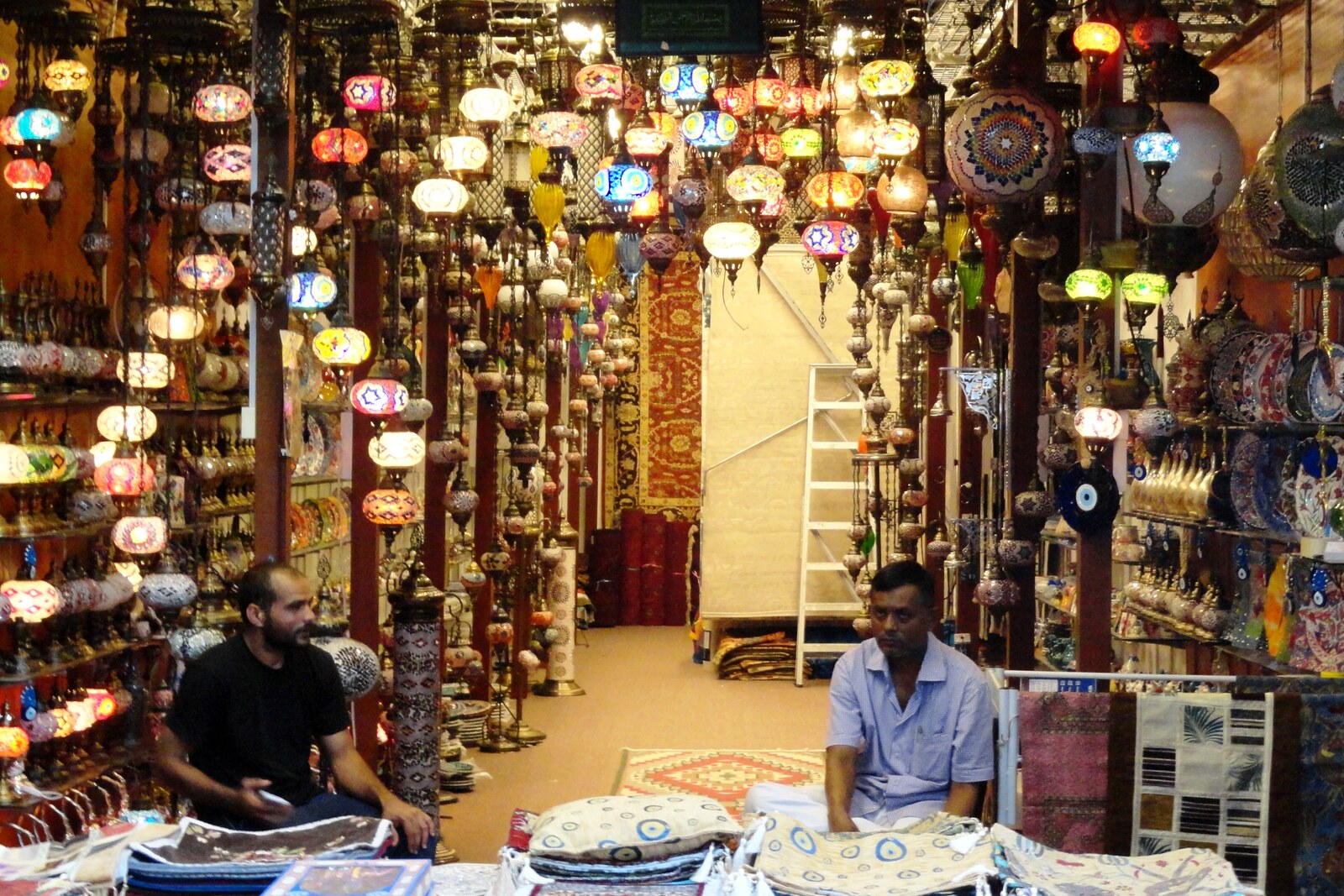
Look around first
What to notice
- House No. 51
- Rolls of fabric
- Open shop displays
The story of the place
The name Arab Street has survived since the early nineteenth century. It most likely appeared after the urban plan of eighteen twenty-two: land beside the sultan's holdings was allocated to the Arab community. These were primarily merchant families connected with Hadhramaut in the south of present-day Yemen; many reached Singapore through the ports of Sumatra and traded throughout the Malay Archipelago.
The street did not become an Arab quarter for Arabs alone. Javanese people lived here, while Indians and Chinese people traded here. Javanese women displayed flowers under the covered galleries of the houses, and Tamil buyers called this row Flower Street. The official name referred to one community, but people from many ports earned their money here.
Fabrics took root on Arab Street because of its location. Before new land was reclaimed, Beach Road ran along the shore. In the nineteen fifties and sixties, shops were already opening at six in the morning: customers arrived by boat from the southern islands and came here for fabric. Sellers gathered beside one another because someone who did not find the right silk in one shop would go into the next one.
At House Number Fifty-One, this arrangement once gave Maha Singh Sandhu a profession. His father, a native of Punjab, earned a living as a private-hire driver and placed his son as an assistant in the textile shop opposite. Maha delivered rolls of fabric by bicycle, served customers, and learned to distinguish fabrics whose price and origin a seller had to explain without hesitation.
When the shop owner retired, Maha decided to open his own business. He began alone: he carried mesh fabric on the luggage rack of a motorcycle and sold it to flower shops and bridal shops. He then added silk, moved on to wholesale batches, and opened Mahaco Impex. Customers came from Indonesia and Myanmar; together with his wife, Maha expanded the trade into several more shops in Kampong Gelam.
By the early two thousands, major Chinese manufacturers were offering volumes and prices that Singaporean wholesalers found difficult to compete with. By then, Maha's son, Gurmail Singh, had returned from compulsory military service and joined the family business. The Singhs began selling fabric directly to customers and added ready-made clothing, shawls, and bedspreads. The wholesale warehouse turned into the open retail display that the street now resembles.
Later, Gurmail tried moving sales online, but expensive silk sold poorly there: people needed to touch the material and see the shade on an unrolled length of fabric. At House Number Fifty-One, rolls still pass from the seller's hands to the buyer's hands. Maha once carried them by bicycle for someone else's shop opposite; now his son unrolls them in the family shop on the same street.
Useful on site
Open street. Textile shops, perfume stores, carpet and food outlets keep their own hours.
Checked: July 1, 2026. Check the official source before visiting.View the displays from the street; entering the shops is not necessary, and it is best to ask permission before taking photos inside.