 Guide On Map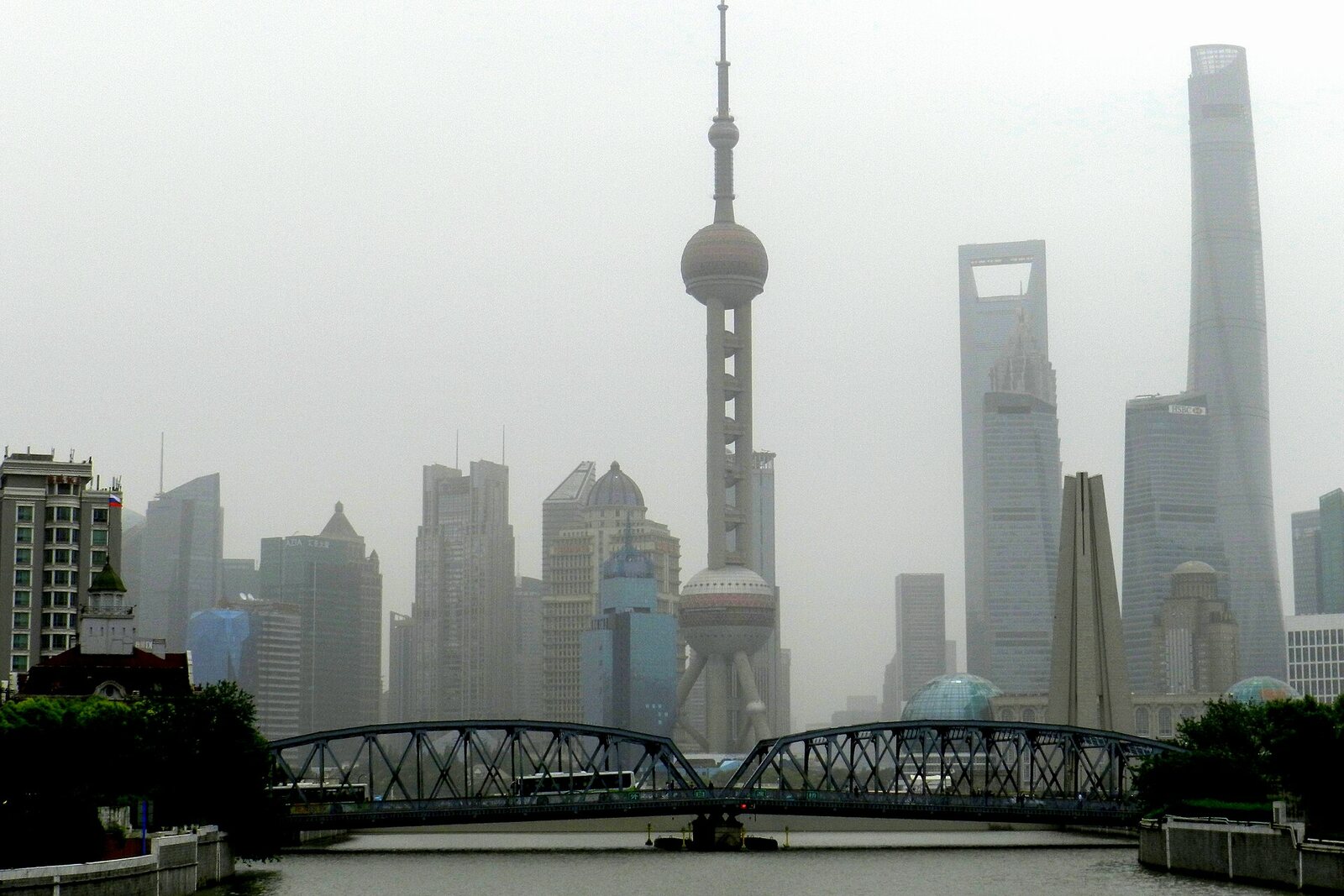
Look around first
What to notice
- Steel trusses
- Drawspan
- Stone supports
- Mouth of Suzhou Creek
The story of the place
The steel trusses of Waibaidu Bridge stand where Shanghai residents once forced the bridge’s owners to abolish the crossing fee.
In eighteen fifty-six, the old crossing at the mouth of Suzhou Creek could no longer handle the flow of people between the south and north banks. Charles Wills, a representative of the British trading house Jardine Matheson, and the American merchant Edward Cunningham gathered twenty investors. They invested twelve thousand silver dollars in a wooden bridge with a drawspan and established a company that was meant to recover the money by charging pedestrians and carriages.
For Wills, this was an especially profitable venture. He lived by trade and owned plots on the north bank of Suzhou Creek. The new crossing brought him fees while also raising the value of his land. The bridge was named after him.
Formally, both Chinese people and foreigners were supposed to pay. But foreign customers were often billed on credit: they crossed without taking out money in front of everyone else. Chinese people paid immediately. From the outside, it looked as though some were allowed through freely while others were stopped at the entrance. When the toll was doubled in eighteen sixty-three, residents began boycotting the bridge, and Cantonese merchants opened a free boat crossing nearby.
Wills did not live to see this struggle. A year after the bridge opened, he died aboard a steamship on the way to England. His partners inherited a profitable crossing, along with its aging wooden supports. By eighteen seventy, the bridge needed major repairs. The owners failed to comply with the municipal council’s orders and tried to build an iron replacement, but the unfinished span sagged into the river.
The council then built its own wooden bridge a few steps away and opened it to everyone free of charge. The private company lost its stream of customers. In the autumn of eighteen seventy-three, the council bought out its bridge, abolished the toll, and dismantled Wills’s crossing.
The new name was associated both with the outer ferry crossing closest to the mouth and with the possibility of crossing the river for free. This is how “Waibaidu Bridge”—“the outer free crossing”—became established. The present steel trusses were installed later: the bridge was completed in nineteen oh seven so that trams and automobiles could travel across it. Wills’s wooden bridge is no longer here. The toll for which it was built has disappeared as well; the name of the free crossing remains.
Useful on site
Open public urban space; choose a viewing spot that does not obstruct pedestrian traffic.
Checked: date not specified. Check the official source before visiting.This is an active crossing: listen to the story at the edge of the pedestrian zone, and do not stop in the middle of the flow.