 Guide On Map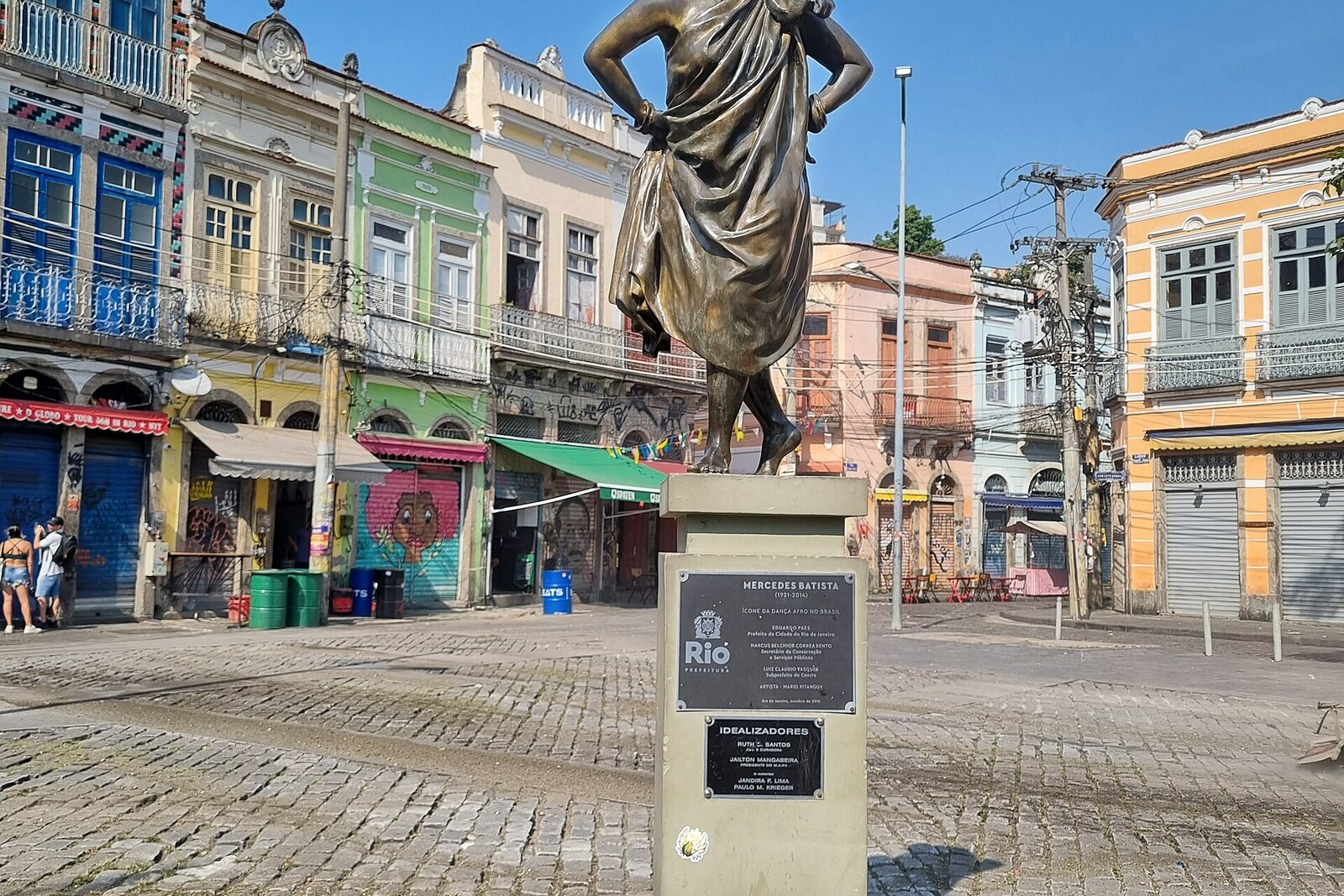
Look around first
What to notice
- Church of Saint Francis of Prainha
- The slope of Morro da Conceição
- The facades around the largo
- Bar tables
The story of the place
A church facade rises above the small square, and its name was left by the Franciscan brotherhood that owned the land here. Prainha means little beach: the sea once reached what is now Rua Sacadura Cabral, and the slope of Morro da Conceição descended straight to the shore. Beside the place of worship stood a warehouse for goods brought by water, while the brotherhood's houses stood around it. The shore was later filled in, and bar tables are now set out where the water's edge once lay.
In the autumn of seventeen ten, the governor of Rio de Janeiro, Francisco de Castro Morais, ordered a chapel and a waterfront warehouse at the foot of this hill to be set on fire. Both buildings belonged to a Franciscan brotherhood. The governor was destroying city property so that the French privateer Jean-François Duclerc could not make use of it.
Duclerc commanded a military expedition that intended to capture and plunder Rio de Janeiro—a port through which gold was exported. The privateer fought with the French king's permission, and the captured valuables were to pay the participants in the enterprise. Coastal forts kept his ships out of the bay, so about one thousand two hundred soldiers landed at Guaratiba and made their way to the city overland. Above the little beach of Prainha rose the well-defended Morro da Conceição. Castro Morais feared that the French would occupy the chapel and the warehouse by the pier, and establish themselves on the slope.
The two buildings stood side by side because of the priest Francisco da Mota. The origins of the first chapel are poorly documented: it is usually dated to sixteen ninety-six, but something else is known for certain. In seventeen four, da Mota bequeathed the chapel, the warehouse, the surrounding houses, and the land to the Third Order of Penance of Saint Francis—a brotherhood of lay Franciscans. In the inventory of the same estate, fifty-one enslaved people were listed as property. That is why a warehouse stood beside the place of worship, where goods brought by sea were stored: the priest was leaving the brotherhood a large waterfront property.
Duclerc did not get the burned buildings. His detachment continued toward the center, was surrounded, and the surviving Frenchmen surrendered. The privateer himself was taken into custody; a few months later, four people with covered faces killed him in the house provided for him. Their names were never established.
The Franciscans were left with the ruins. First, they restored the revenue-producing warehouse, one of the most important in the port at the time. The chapel had to wait another twenty-eight years. In seventeen thirty-eight, the brotherhood's leadership ordered it rebuilt, and in seventeen forty it opened the new church.
It was this Church of Saint Francis of Prainha that gave the square its name. Saint Francis was Francis of Assisi, the Italian preacher of the thirteenth century from whom the Franciscan movement traces its origins. Prainha means “little beach”: the water then reached what is now Rua Sacadura Cabral. Later, builders filled in the shore, and bar owners now set out tables and hold musical evenings on the former waterfront strip. The old warehouse and the first chapel are gone; above the square stands the church built by the brotherhood after the fire of seventeen ten.
Useful on site
A public square; quieter for walking during the day, the area is livelier in the evening.
Checked: date not specified. Check the official source before visiting.The square remains a lively public place; do not disturb worship services, and do not assume that the church will necessarily be open.