 Guide On Map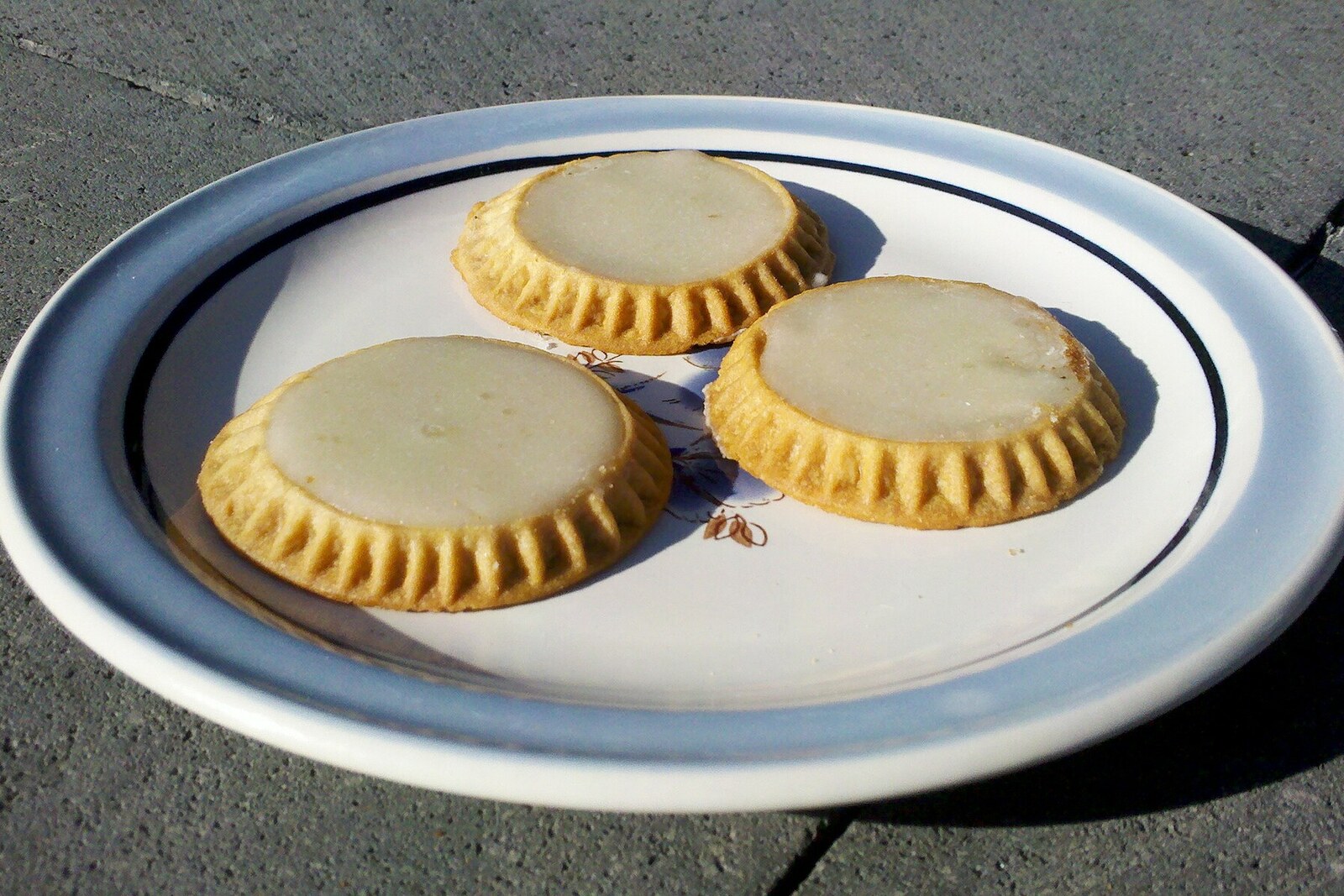
Look around first
What to notice
- The La Gran Fama sign
- Display cases with camotes
- Tortitas de Santa Clara
The story of the place
On city signs, this is 6 Oriente. It only began to be called Calle de los Dulces in the twentieth century, when shops occupied one house after another. Before that, the section between 2 Norte and 4 Norte was called Calle de la Portería de Santa Clara: the portería was the gate of a women's convent through which the convent communicated with the city.
The Poor Clares lived in seclusion, but their household was large: by the beginning of the eighteenth century, there were about one hundred nuns here, not counting the women servants. In the convent kitchen, they made alfajores, marzipan, camotes, and Tortitas de Santa Clara—shortbread rounds with pumpkin-seed fondant. They sold them at the gate. That is why customers came to this street for such treats even before a row of shops appeared.
In eighteen sixty-two, the nuns were expelled, the convent was divided up, and then sold to private owners. The sweets had already gone beyond its walls. In eighteen fifty-two, one sugar shop was listed near the former portería; by the end of the century, home confectioners began turning this craft into a family trade.
The most successful was Victoria Ortiz Torres, a well-to-do resident of Puebla who decided to sell what she had previously made for acquaintances. Sweets were not her last means of making a living: Victoria could pay for confectionery lessons and invest her own money in a shop. She risked both it and her name—the customer had to prefer her products to the convent reputation already attached to the street.
In eighteen ninety-two, Victoria opened a shop here selling camotes and Tortitas de Santa Clara. The business was named La Gran Fama—“Great Fame.” Soon, she already owned three shops. Other families followed her decision, but did not copy the recipes exactly: one kitchen added almonds, another pine nuts, and they changed the proportions of sugar and seeds. In eighteen ninety-six, there were two confectioneries on the street; in nineteen twenty-five, there were seven. Later, there were several dozen, and the colloquial name displaced the memory of the convent portería.
Victoria died childless in nineteen thirty-eight. The shop passed to her relatives, for whom making sweets had already become both a profession and family income. Today, La Gran Fama still occupies house number two hundred eight. It is run by the fourth generation of the family, and there is still a kitchen behind the salesroom. Victoria herself had no children; the business she left behind has spread to both sides of the street.
Useful on site
The city brochure gives approximate hours of 09:00–20:00; each shop sets its own schedule.
Checked: June 24, 2026. Check the official source before visiting.Buying and tasting are optional for this stop. If you choose sweets, ask about the ingredients and do not take a convent name on the packaging as a guarantee of the recipe's origin.