 Guide On Map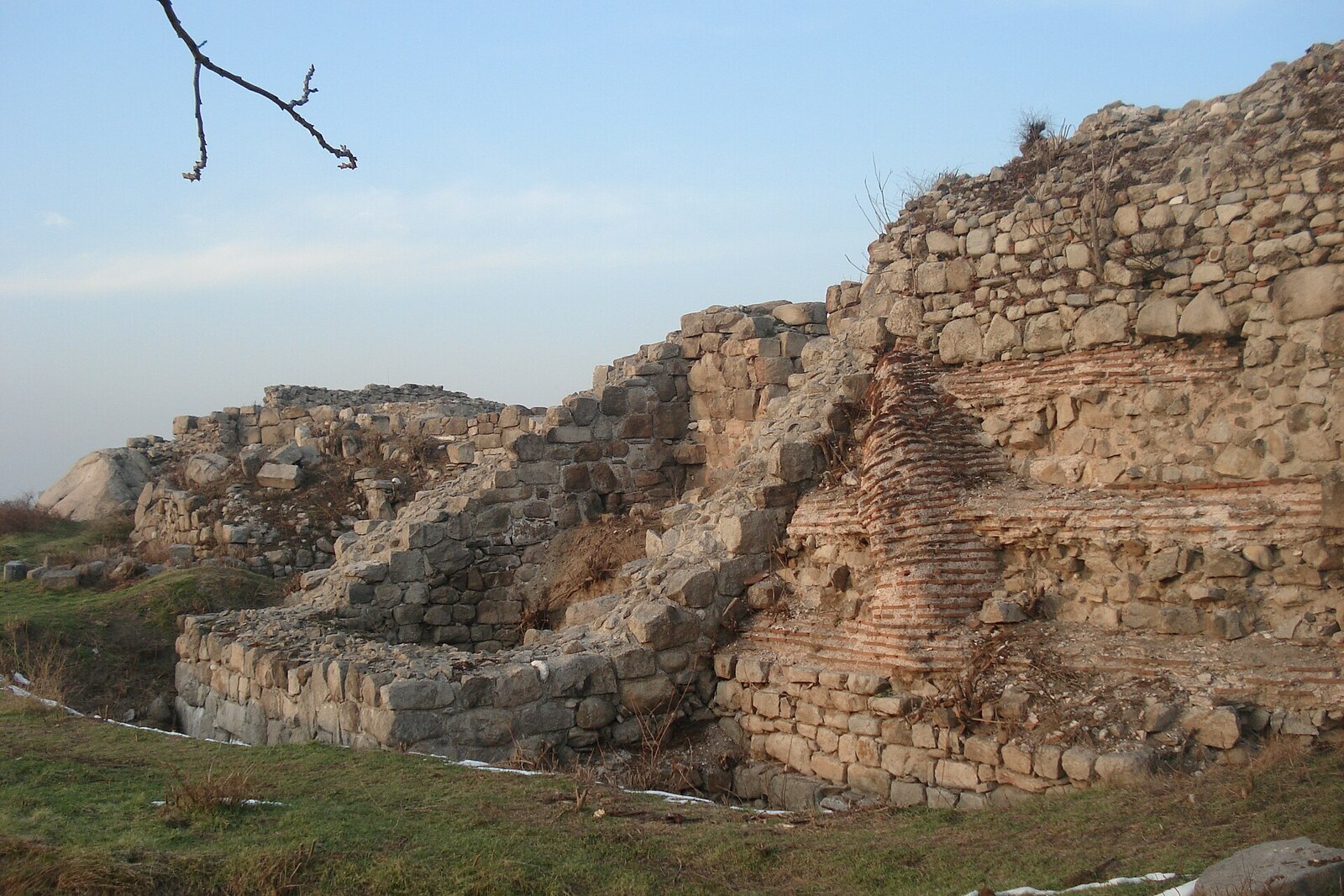
Look around first
What to notice
- The line of the inner wall
- The rectangular reservoir
- The stonework of the citadel
The story of the place
The northern summit of the Three Hills was set aside for the city's final defensive line. It was separated from the residential quarters by its own wall, and a large rectangular reservoir was dug inside: if the streets below were captured, the garrison could hold out above with its own water supply. In the stonework and the outline of the reservoir, you can see this fortress's design for long isolation. The very name Nebet Tepe preserves the memory of the guards who watched the northern approach and the valley of the Maritsa River from here.
On the third of July, fourteen ten, the Serbian prince Vuk Lazarević appeared before Plovdiv's fortifications. He was hurrying home to take land from his brother Stefan Lazarević, the ruler of Serbia. The road from the area around Constantinople to the northwest passed through Plovdiv, and it was difficult to bypass the fortified city with a detachment.
Vuk had been sent by the Ottoman prince Süleyman. After their father, Sultan Bayezid I, was captured, Süleyman and his brother Musa fought for the throne. The Serbian princes chose between them not out of loyalty: their choice determined who would retain their lands. Vuk first served Musa, then went over to Süleyman and helped him win. He now expected to receive part of Serbia in return.
Musa could not allow Vuk to pass through Plovdiv. He had no large army nearby, so he sent Ali Yaz—his commander and the former military governor of this city. Ali Yaz knew whom to speak to behind the walls. He hid his small detachment in the forest, sent men into the city, and won part of the inhabitants over to his side. The city nobility split, and Ali Yaz managed to take Plovdiv without a long siege.
Vuk and his nephew Lazar Branković were taken prisoner. Musa ordered Vuk executed for going over to the enemy. He kept Lazar as a hostage: Lazar's brother Đurađ Branković served Süleyman, and Musa wanted to force Đurađ to change sides. He did not. A few days later, before the brothers' next battle, Lazar too was beheaded.
The city paid the price as well. A medieval chronicler reports that, after Süleyman returned, Plovdiv was set on fire in revenge for Vuk's death. Archaeologists are more cautious, separating this report from what can be proven in stone: during the wars between Bayezid I's sons, the fortifications were badly damaged, and after fourteen ten they ceased to be maintained. This is the last written mention of the citadel here as an active fortress.
The citadel occupied the northern summit of the Three Hills. In the thirteenth and fourteenth centuries, builders separated it from the other quarters with an additional wall and created a large rectangular reservoir inside. If the lower streets fell to the enemy, the garrison could lock itself in here and continue the defense with a supply of water. That is why Ali Yaz sought supporters inside the city: his small detachment would have had to take several defensive lines.
The current name explains the occupation of the people who served on the summit. In Ottoman Turkish, “nebet” means a guard or a guard shift, and “tepe” means a hill. From here, they guarded the northern side of the city and the valley of the Maritsa River.
The chronicler did not state exactly where Vuk and Lazar were held, and there is no such trace here. What remains are the line of the inner wall and the rectangular reservoir of the last citadel. The guard left it after the war of fourteen ten, but its post remained in the name Nebet Tepe.
Useful on site
Access is free and unrestricted; 08:00–18:00 in summer and 08:00–17:00 in winter are the hours of museum support, not when the site closes.
Checked: June 24, 2026. Check the official source before visiting.This is an open site with uneven stone and changes in elevation; stay on the marked paths and do not step onto the masonry.