 Guide On Map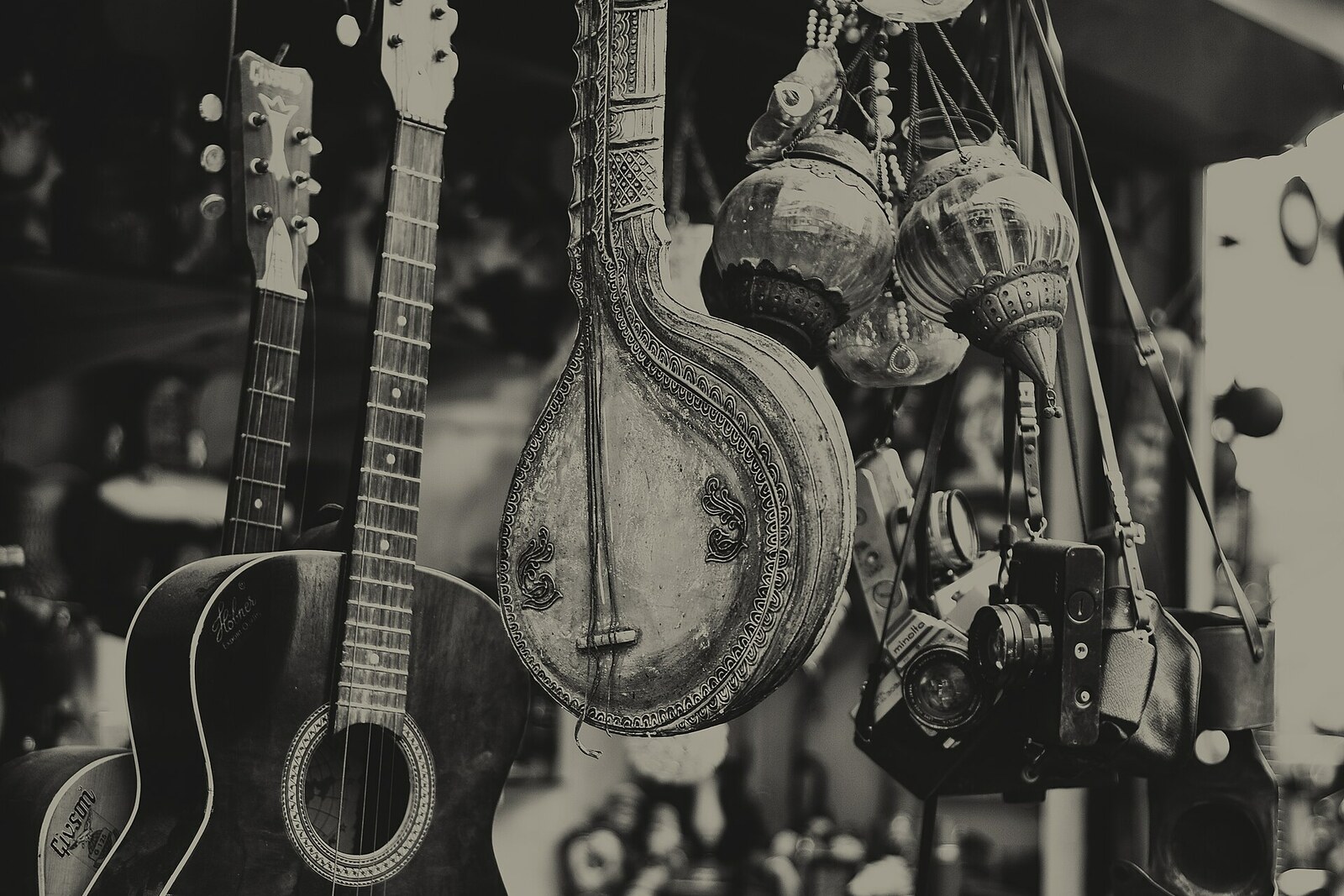
Look around first
What to notice
- Antique lamps
- Medical lamps
- Fans
- Wooden furniture
The story of the place
Chor Bazaar occupies an area of Bhendi Bazaar around Mutton Street, where old lamps, fans, clocks, furniture, and equipment stand in cramped shops. Objects arrive here from different Indian states and then find buyers among decorators, hoteliers, and collectors. The street was once associated with a meat and fish market behind a wooden fence; its successor still operates opposite the antique rows. The word chor is translated as thief, but there is no precise explanation for the name: one city version links it to street rumor about stolen goods.
At Dadabhai & Sons, an object is rarely sold in the condition in which it arrived on Mutton Street. A lamp is dismantled down to its last screw, rewired, its parts polished, and then reassembled. Old finishes are stripped from wooden furniture so that the grain of the wood emerges. A complex restoration can take a month.
That explains what Chor Bazaar is really about. Bhendi Bazaar is the name of a large commercial and residential district, while Chor Bazaar is part of it: shops selling used goods, furniture, lamps, clocks, old equipment, and film props around Mutton Street. Goods are brought here from different Indian states through a chain of resellers. Shop owners assess a find, repair it, sometimes rent it out, and sometimes sell it as a furnishing.
In nineteen hundred four, the merchant Mohammadali Dadabhai opened a wooden-furniture shop here. He made money from things that other people had already used. In the nineteen sixties, the next generation of the family found another customer: Bombay cinema. Studios needed complete furnishings for hospital wards, bars, and casinos, and it was not enough to bring in a few chairs: the shop's staff assembled sets themselves from furniture and equipment in the warehouse.
Orders for film props supported the family for several decades. Then film studios increasingly began building sets themselves, and demand for renting old furniture fell. Around two thousand four, one of the craftsmen received an order for an unusual finish: the object had to be dismantled, cleaned, refinished, and reassembled. Husain Furniturewala, the founder's great-grandson and the shop's current co-owner, saw this work as a new craft for the family business. Together with his brothers, he shifted the main income to restoring industrial furniture, lamps, and Art Deco objects.
Sometimes the decision to preserve an old structure costs more than a quick alteration. The family spent three months restoring a medical table for childbirth made around nineteen ten. Its adjustable backrest and leg supports were retained. An old radio worked again after servicing. These objects are bought by decorators, hotel owners, and private collectors; some items are still rented out for filming.
The word “chor” means “thief,” but the origin of the market's name has not been established precisely. Shop owners say that it was once called Shor Bazaar—the Noisy Market—and that colonial residents misheard the word. A city guidebook from the early twentieth century already recorded another version: Mutton Street was supposedly nicknamed Chor Bazaar because stolen goods were allegedly brought here. The guidebook's author cautiously wrote “supposedly”—street rumor left no evidence.
There is also a legend about Queen Victoria's violin, supposedly lost while her ship was being unloaded and found in one of the shops here. It is plainly false: Victoria never visited Bombay. The name Mutton Street, however, is documented as connected to a real meat and fish market that stood here behind a wooden fence. Its successor still operates opposite the antique rows.
In the Jamnadas Building on Mutton Street, the shop opened by Mohammadali Dadabhai survives. It is run by the family's fourth generation. Inside are restored medical lamps, fans, armchairs, and furniture from the nineteen twenties to the nineteen seventies; behind the display window lie objects that still have to be dismantled down to their last screw.
Useful on site
Market hours vary by shop; Friday, reconstruction, and municipal works may affect access.
Checked: June 28, 2026. Check the official source before visiting.Bhendi Bazaar and Chor Bazaar cover more than one spot, so do not look for a single grand entrance. Allow for construction and barriers, do not enter residential courtyards without an invitation, and confirm the price before buying an antique item.