 Guide On Map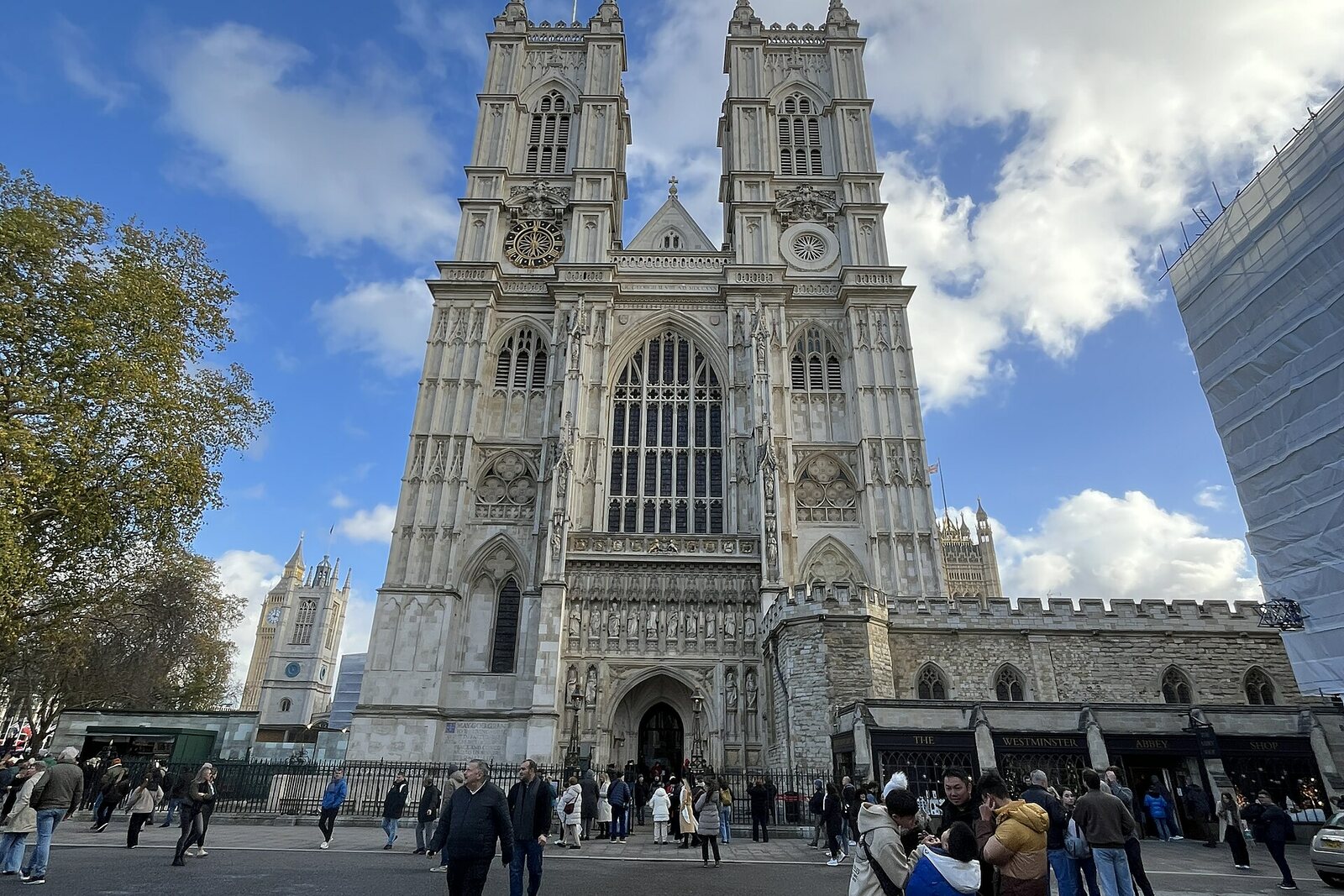
Look around first
What to notice
- Gothic walls
- Shrine of Edward the Confessor
- Pyx Chamber
The story of the place
The Gothic walls around you were built when the old monastic church was replaced by a larger church for the principal state ceremonies and royal burial places. From the former monastery, the heavy columns of the lower chamber and the Pyx Chamber in the cloister survived, while the shrine of Edward the Confessor is kept behind the high altar. The monastic complex thus preserved traces of different periods, although the church itself long ago became part of royal ceremonial.
On December twenty-fifth, ten sixty-six, William I, Duke of Normandy and victor over the English army at Hastings, entered this church to be crowned. London had submitted to him only very recently. William needed to undergo the English rite and receive the public consent of the people he had just defeated.
He chose the place because of a tomb. The former English king Edward the Confessor had built a large church here beside a Benedictine monastery and was buried before the high altar. William called himself Edward's lawful successor. The crown at Edward's tomb was meant to confirm that connection.
The rite required the consent of those assembled. Ealdred, Archbishop of York, who conducted the coronation, asked the English in English whether they accepted William as king. Geoffrey, Bishop of Coutances, repeated the question in French for the Normans. Both groups answered loudly in the affirmative.
Armed Norman horsemen stood around the church: the city was still considered dangerous. According to the later account of the chronicler Orderic Vitalis, the guards did not understand what the shout inside meant, decided that William had been attacked, and set fire to the neighboring houses. People rushed out of the church. Some ran to save their belongings and put out the fire; others used the confusion to loot.
A few bishops, priests, and monks remained before the altar. They hurriedly brought the service to its end. Orderic writes that William himself was trembling badly. He received the crown nonetheless and left the church as William I, anointed King of England according to the English rite. His guard had time to burn the houses before it understood that it had heard consent to his coronation.
The Gothic walls before you appeared later. In the thirteenth century, King Henry III ordered Edward's church to be replaced with a larger church designed for coronations and royal burials. From the monastic buildings of Edward's time, an underground chamber with massive columns and the Pyx Chamber in the cloister have survived. Edward's coffin still lies in the shrine behind the high altar.
William's successors repeated his choice. Thus the church at Edward's tomb became the permanent setting for British coronations—thanks to a rite that was first barely completed here amid flight and fire.
Useful on site
Outside, you can read the façade without a ticket. The tourist entrance is usually open on weekdays and Saturdays; Sunday is reserved for services. The schedule changes because of worship services and events. On 2026-06-28, general admission is closed. Checked 2026-06-28.
Checked: June 28, 2026. Check the official source before visiting.You can listen to the entire story from outside. To see Edward's shrine and the Grave of the Unknown Warrior, you need a separate visit inside, taking the abbey's services and rules into account.