 Guide On Map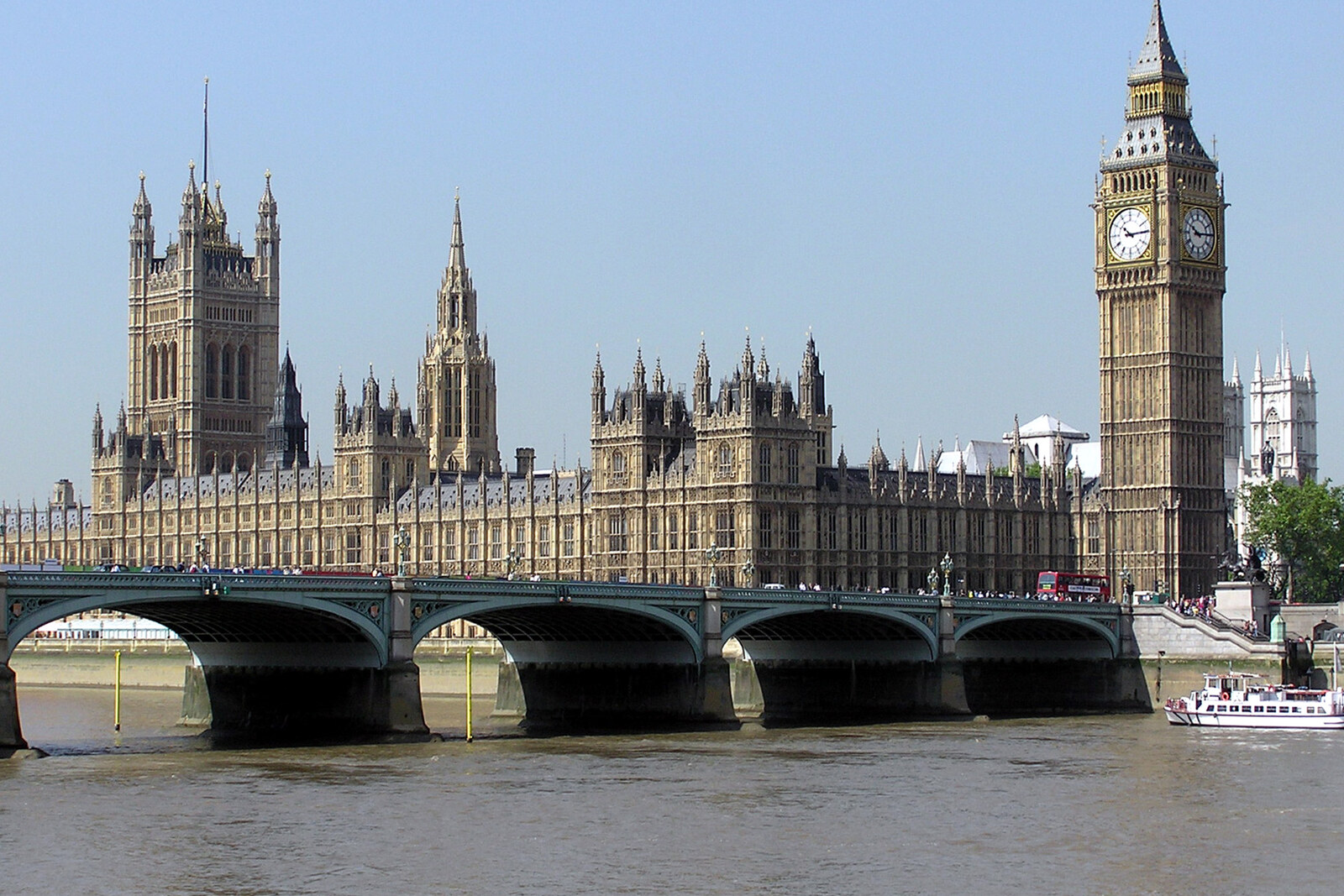
Look around first
What to notice
- Seven cast-iron arches
- The Thames
- The dome of St Paul's Cathedral
The story of the place
Seven cast-iron arches carry Westminster Bridge over the Thames. The present crossing opened in eighteen sixty-two, when the old stone bridge had to be dismantled because of its dangerous piers. Before that bridge appeared, London Bridge remained London's only permanent crossing, and the new route gave coaches a direct exit from Westminster to the southeastern roads. The dome of St Paul's Cathedral still rises above the river, although the bridge has since been replaced.
Early on July thirty-first, eighteen oh two, a stagecoach left Charing Cross for Dover. Among its passengers was the thirty-two-year-old poet William Wordsworth. He was traveling to Calais to see his nine-year-old daughter Caroline for the first time and to tell her mother, his former lover Annette Vallon, that he was going to marry Mary Hutchinson.
Caroline was born in France after Wordsworth left for England. The war that began afterward separated father and daughter for almost nine years. A brief peace between the countries opened the way across the English Channel. Money also helped prompt the journey: for years, Wordsworth and his sister had lived frugally on interest from an inheritance left by a friend and on modest income from books. In spring, the family finally received a long-unpaid debt owed to their late father. The poet could now marry, but first he wanted to make arrangements with Annette for Caroline's future.
His sister Dorothy Wordsworth traveled with him—his closest companion and a mediator in his correspondence with Annette. The stagecoach crossed the old Westminster Bridge, a stone bridge with fifteen arches. It opened in seventeen fifty; before then, London Bridge was the only permanent crossing over the Thames in London. For coaches bound for Dover, the new crossing gave a direct route from Westminster to the southeastern roads.
Dorothy recorded what she saw in her diary. The usual cloud of chimney smoke had not yet risen above the rooftops. She made out St Paul's Cathedral, the Thames, numerous small boats, and houses stretching into the distance. She was struck by the fact that the huge built-up city, in the clear morning light, resembled a natural landscape.
William later claimed that he composed the sonnet on the roof of the stagecoach on the way to France. The manuscripts show a longer process. Dorothy recorded the view on the day of the journey, while her brother probably completed the poem only after returning, consulting her diary. A different date appeared in the title: “Composed upon Westminster Bridge, September third, eighteen oh two.” In the poem, London lay without smoke or movement, and the houses seemed asleep. The sonnet was printed five years later.
In Calais, Wordsworth spent about four weeks with Annette and Caroline. His daughter met her father for the first time; in autumn, he returned to England and married Mary. Later, he supported Caroline financially. At the time, most readers of the sonnet knew nothing about the private reason for the French journey.
The stone bridge their stagecoach crossed was dismantled after its piers became dangerous. The present crossing, with seven cast-iron arches, opened in eighteen sixty-two. Wordsworth and Dorothy saw neither the present Palace of Westminster nor the London Eye. Of the view Dorothy recorded, the Thames and the dome of St Paul's Cathedral remain; the old bridge survives only in the title of the sonnet.
Useful on site
The bridge is open around the clock; pedestrians have free access at all times.
Checked: June 17, 2026. Check the official source before visiting.Stand closer to the railing and do not hold up the flow of pedestrians. The best view is from the bridge; you do not need to enter Parliament for this stop.