 Guide On Map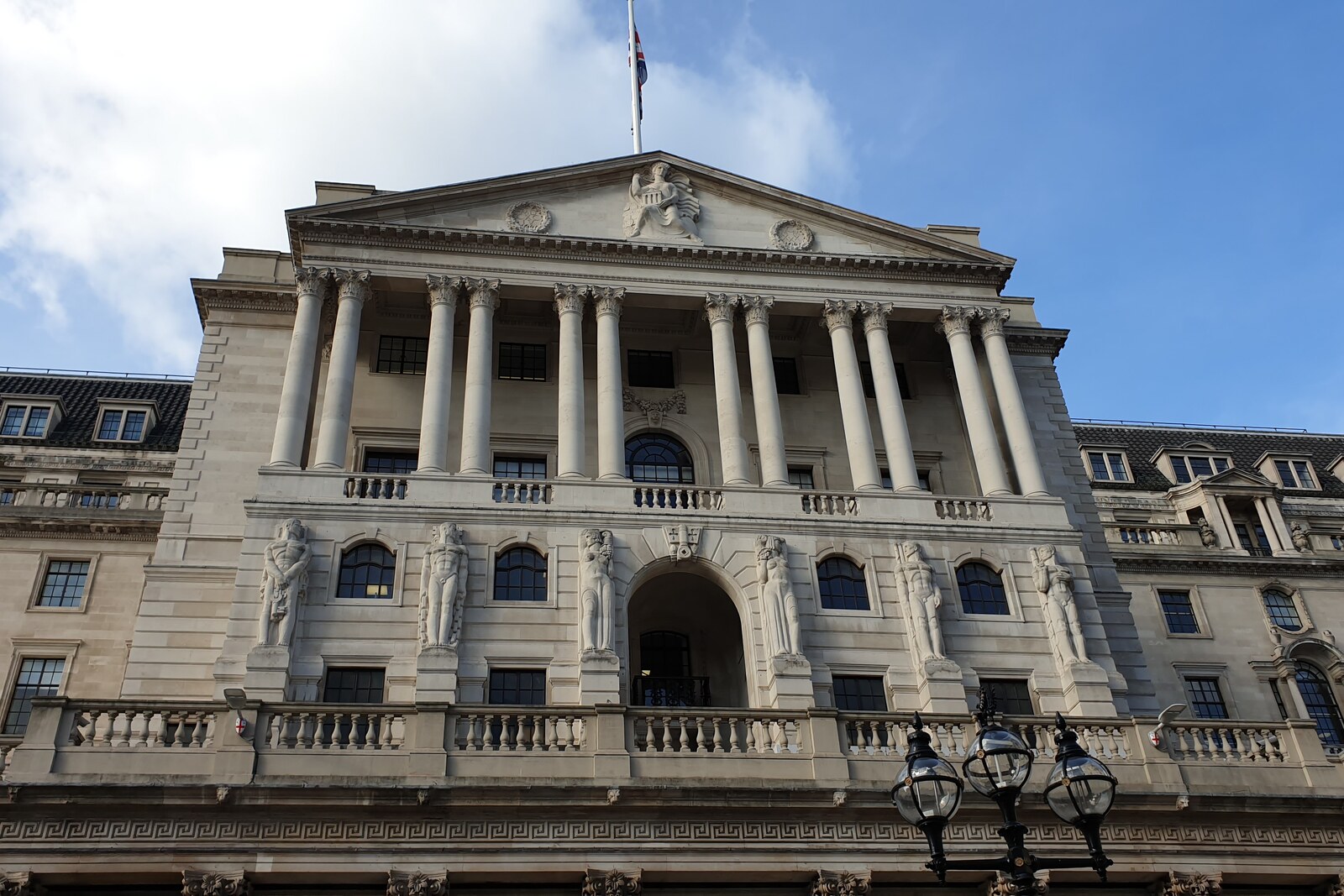
Look around first
What to notice
- The stone perimeter of the Bank of England
- The junction of converging streets
- The Bank station sign
The story of the place
On June seventh, seventeen eighty, at the Bank of England, John Wilkes ordered soldiers to fire. That night he commanded the defenders of the building and sought one thing: to keep the crowd from breaking inside. The order cost him the reputation on which his entire career rested.
Londoners knew Wilkes as a journalist and radical member of Parliament. He was arrested and expelled from Parliament for attacks on the government; voters repeatedly returned him to office, and supporters cried, “Wilkes and Liberty.” Then he received a lucrative post managing the City’s finances. Wilkes oversaw municipal and charitable funds; the salary freed the perpetual debtor from his former dependence on friends’ donations. The City now paid him to safeguard its money, while the people who had made him a famous opponent of officials expected entirely different behavior from him.
The riots began over a law that slightly eased restrictions on Catholics. Member of Parliament George Gordon, head of the Protestant Association, demanded that the law be repealed and brought tens of thousands of supporters to Parliament with a petition. After members of Parliament postponed discussion, separate groups began wrecking Catholic chapels and homes. Within a few days, they burned Newgate Prison and released the prisoners. The Bank of England became the next major target.
At that time, the Bank remained a private company of shareholders, but it served the government, managed the national debt, issued banknotes, and held gold. The destruction of its offices would have hit government payments and depositors’ fortunes. The Bank had stood on Threadneedle Street since seventeen thirty-four: previously, its employees had worked in a rented building nearby, until the directors built a permanent office here.
The city authorities managed to request cavalry and infantry. Five hundred thirty soldiers were sent for the defense, with fifty stationed inside. The attackers tried twice to break through to the building. Some people climbed onto the roof of the neighboring church of St Christopher le Stocks and threw objects from there into the Bank’s courtyard. On Wilkes’s orders, the soldiers and city volunteers opened fire. There were fatalities; the crowd was pushed back and did not enter the Bank.
George Gordon was later tried for high treason and acquitted: the prosecution did not prove that, in gathering the petition, he had intended to raise a rebellion. Wilkes retained his post as City treasurer until his death, but after the shooting his popularity among voters disappeared.
After the attack, a military guard was posted at the Bank every night. It initially numbered fifty men; the tradition lasted until the summer of nineteen seventy-three. The directors cited the attack and obtained permission from Parliament to demolish the church from whose roof stones had been thrown. The Bank occupied its site and expanded westward.
The present building was constructed mainly in the nineteen twenties and nineteen thirties, so Wilkes defended a different building. The Bank of England is now the central bank of the United Kingdom: it does not open accounts for private clients, but it issues English banknotes, sets the main interest rate, and handles payments for the government and banks. Both the nine-street junction, Bank Junction, and Bank station were named after it.
There is no longer a nighttime guard of soldiers here. Nor is there a church of St Christopher le Stocks. Behind the Bank’s stone perimeter, the inner Garden Court remains on the site of its graveyard.
Useful on site
Bank of England Museum: Mon-Fri 10:00-17:00, last entry 16:30; free, closed on weekends, bank holidays, and certain specified dates.
Checked: June 26, 2026. Check the official source before visiting.First, view the ensemble from a safe place without lingering in the roadway. Plan the Bank of England Museum separately and allow for screening at the entrance.