 Guide On Map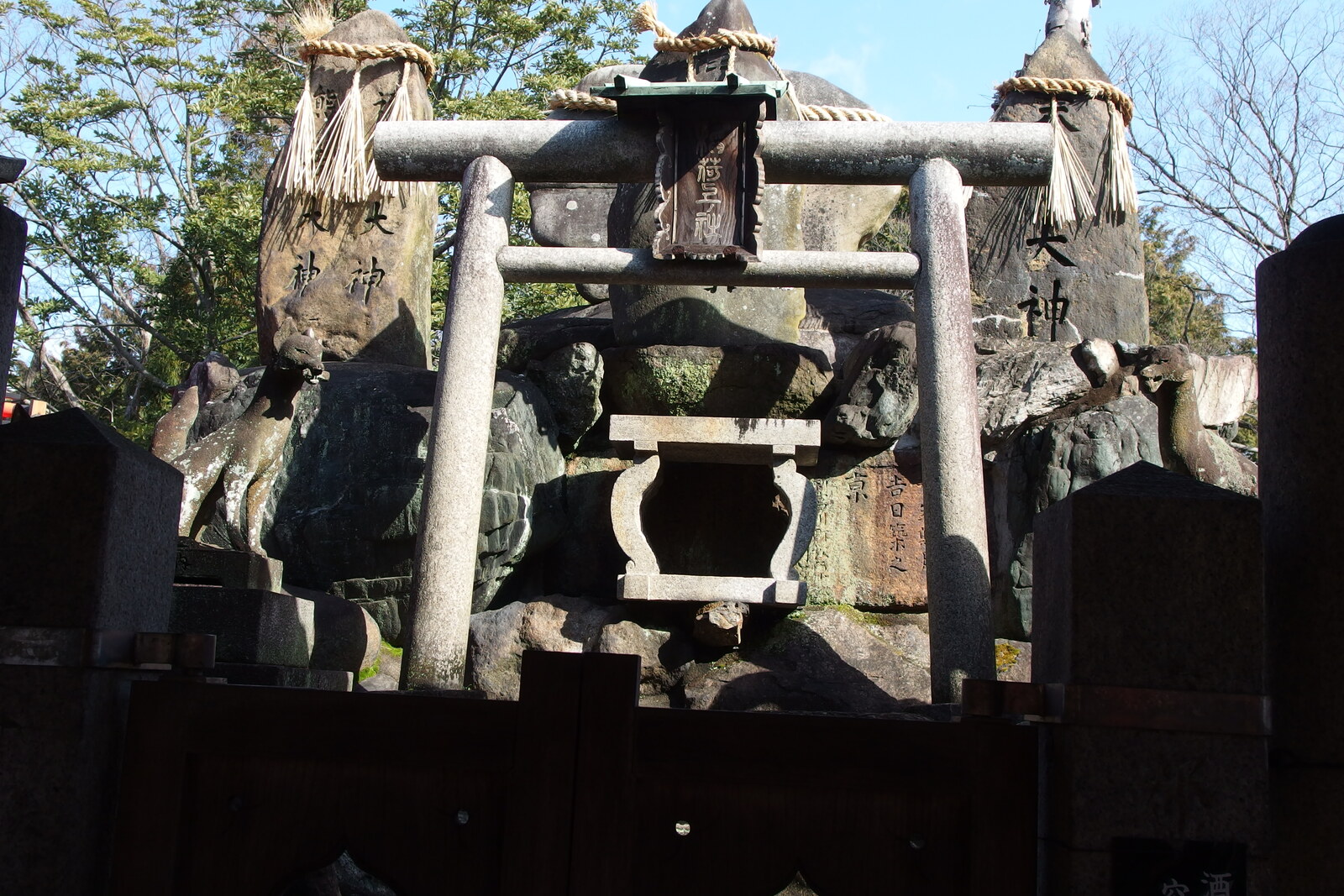
Look around first
What to notice
- Stone otsuka with carved names
- Main altar stones
- Torii along the trail
The story of the place
On the upper slopes of Inari, one trail connects Sannomine, the Second Summit, and the First Summit, while stone otsuka with carved names stand close together along its edges. These slabs are dedicated to revered Inari, not to the dead, so families and associations return to their own stone with a request or thanks. Long before the many private altars appeared, the summits held separate places of worship; after their deities were united in the Honden, the sites on the mountain remained. The attendants set apart seven main stones, and thousands of otsuka gradually grew up around them.
In eighteen seventy-six, worshippers climbed Inari at night, dragging stone slabs with them. Shrine attendants had, for the second time, forbidden the placement of otsuka on the mountain—stone altars bearing the names of personal deities. By day, a slab would have had to be carried past the attendants; at night, it was taken up secretly.
Worshippers carved into the stone the name by which their family or association revered Inari. It could name a quality they needed from the deity or be passed down through family tradition. For a merchant house, a request for success concerned the money the family lived on. People returned to the same otsuka, bringing thanks and asking for help with the next undertaking. The main inscription on such a slab is the deity's name, not the name of a deceased person: the stones standing along the trail are not gravestones.
It was the summits that gave these altars their importance. When, after the Ōnin War, the attendants united the deities in a new Honden at the foot of the mountain, the sites of the former shrines remained on the mountain. Later, the attendants set apart seven such areas and marked them with main altar stones. The trail connects Sannomine, the Second Summit, and the First Summit with the other sites of earlier worship. Worshippers began surrounding them with their own otsuka.
The attendants called the carved names strange. In eighteen sixty-nine, they put up three signs forbidding the bringing of new stones. Seven years later, they repeated the ban, but the nighttime climbs continued. In February eighteen seventy-seven, the shrine itself asked a government agency for permission to install otsuka. Permission was received in April. The attendants recognized the custom as an acceptable form of worship and began regulating it; families and associations kept their Inari on the mountain.
There are now more than ten thousand otsuka on Inari. One slab may bear one name, another several. Participants in monthly pilgrimages pass thousands of other people's altars and stop at their own—stones like those their predecessors had to carry up here after nightfall.
Useful on site
The shrine grounds and mountain trail are accessible without a ticket; shops, teahouses, and amulet counters keep their own daytime hours. Checked 2026-06-29.
Checked: June 29, 2026. Check the official source before visiting.Check the signs at every fork, do not touch offerings, and do not try to reach the altars through barriers or across the slope.