 Guide On Map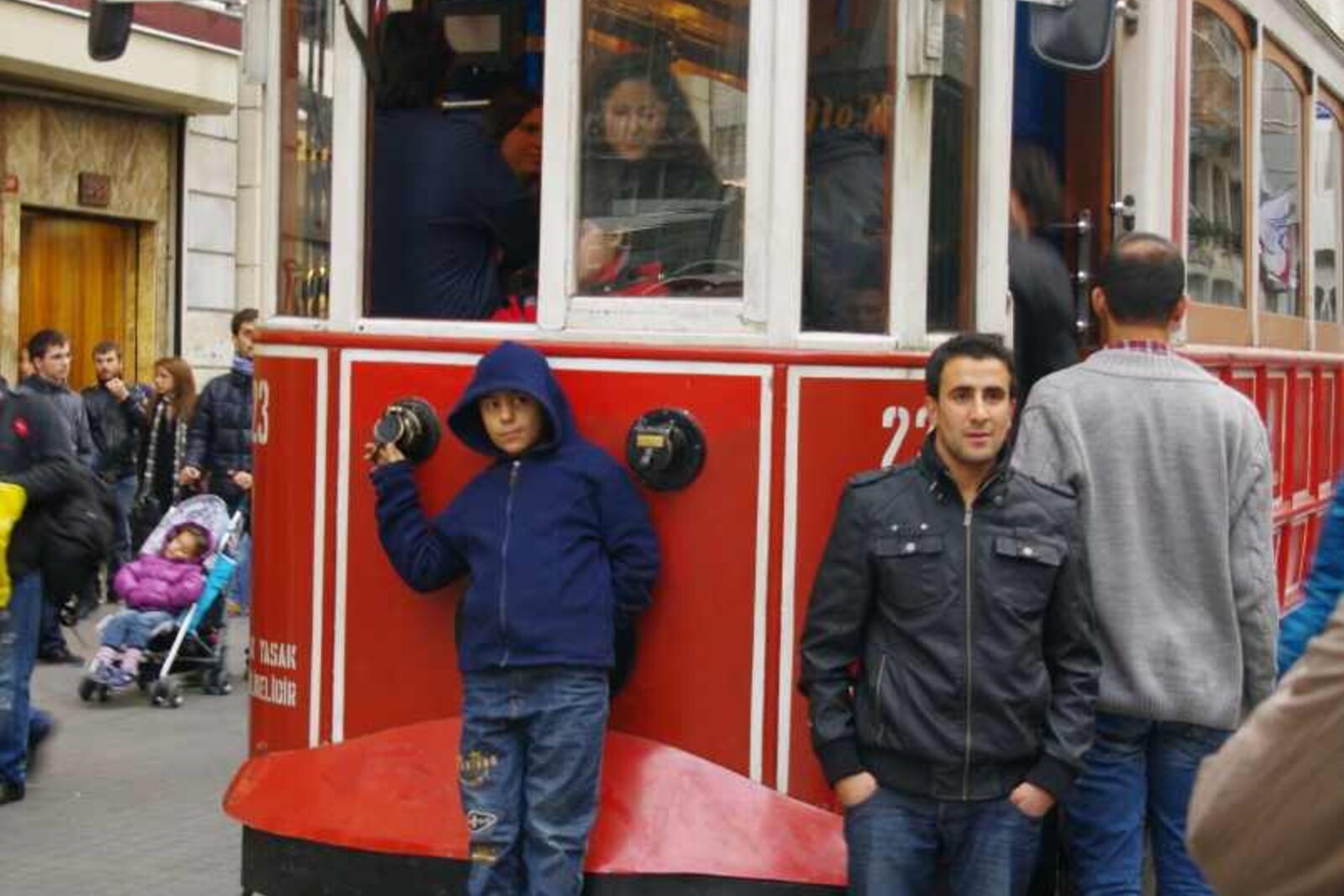
Look around first
What to notice
- Shop windows
- Passage facades
- Vaulted entrance to Hazzopulo Passage
- Courtyard of Hazzopulo Passage
The story of the place
İstiklal Avenue runs from Tünel to Taksim Square: a pedestrian shopping street with shops, theaters, churches in courtyards, and passages cutting through the block to neighboring streets. This layout was created in the nineteenth century by Greek, Armenian, Jewish, and Levantine entrepreneurs. European embassies stood nearby, and their staff and affluent city residents needed hotels, pharmacies, restaurants, clothing, and imported goods. The Ottomans called this street Cadde-i Kebir—Great Street—and Europeans called it Grande Rue de Péra.
The name İstiklal Avenue means “independence.” In nineteen twenty-seven, municipal officials replaced the former name with it in memory of the Turkish War of Independence, which ended with the victory of the national movement and the establishment of the republic. At the same time, officials were renaming neighboring streets, hotels, and cinemas, removing French and Greek names.
Twenty-eight years later, İstiklal Avenue's commercial layout enabled attackers to strike the owners of hundreds of establishments within a few hours. On September sixth, nineteen fifty-five, radio reported an explosion in the garden of the Turkish consulate in Thessaloniki, beside the house where the republic's founder, Mustafa Kemal Atatürk, was born. The explosion shattered several panes of glass. The newspaper Istanbul Ekspres issued a special run of two hundred ninety thousand copies instead of its usual twenty thousand.
Members of the Cyprus Is Turkish Association, who sought support for Turkish claims to the island, distributed the newspaper and called a rally in Taksim Square. After the rally, groups moved along İstiklal Avenue. They attacked Greek shops first, then Armenian and Jewish establishments. Some leaders had lists of addresses. Others demanded that Turkish flags be displayed to distinguish Muslim-owned premises from the intended targets.
Groups of twenty or thirty divided the duties among themselves. Some pointed out the right door, while others smashed shop windows with stones and broke open grilles using metal shears and welding torches. Goods, furniture, and equipment were carried out onto the roadway and broken. In the first wave, rioters comparatively rarely took things: they wanted to deprive the owner of stock, tools, and the ability to reopen the shop. For a family shopkeeper, this meant losing both capital and income at once.
It was not until night that martial law stopped the pogrom. The special Beyoğlu court registered five thousand one hundred four detainees, but investigators could not prove the guilt of many of them. Seventeen defendants tried as organizers were acquitted in nineteen fifty-seven. Payments covered only part of the damage; most owners restored their establishments with their own funds. Over the following year, five thousand young Istanbul Greeks left for Greece.
Of the former commercial environment, the passageways between the buildings themselves remain. The narrow vaulted entrance to Hazzopulo Passage still leads from İstiklal Avenue into a courtyard and then on to Meşrutiyet Street. The passage bears the surname of the Greek merchant who opened it for shops in the nineteenth century. His name has remained on a street where shops belonging to Greek owners were ransacked at addresses found in advance.
Useful on site
The pedestrian street is accessible at all times, but individual courtyards, churches, passages, and shops keep their own hours. During mass events, demonstrations, and decisions by the authorities, access to sections of the street may be restricted.
Checked: June 29, 2026. Check the official source before visiting.Keep quiet in the church courtyard, and on the street do not stop on the tram tracks or obstruct traffic.