 Guide On Map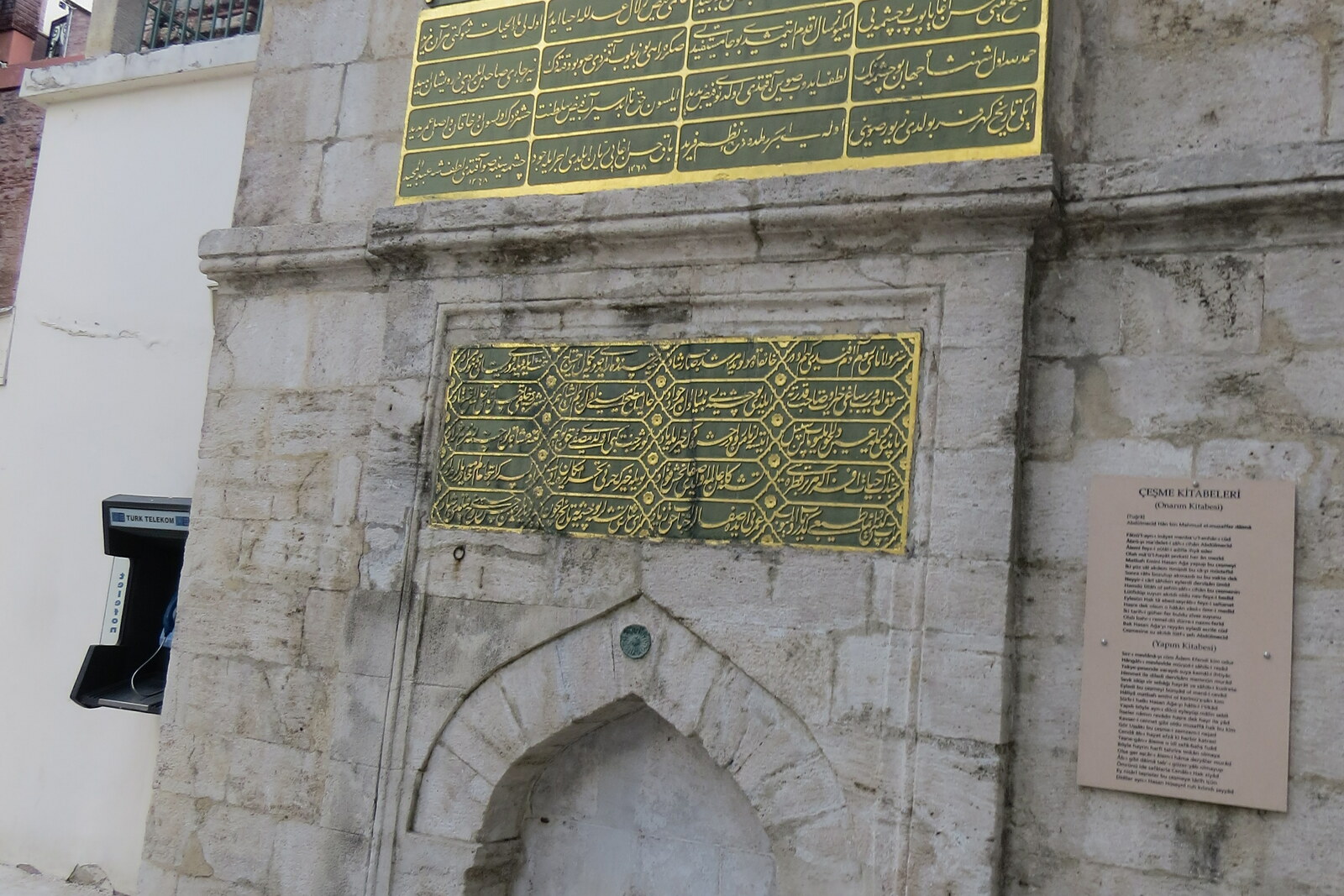
Look around first
What to notice
- Entrance gate with the inscription
- Wooden sema hall
- Sheikh Galib’s tomb
- Cemetery
The story of the place
The Galata Mevlevi Lodge on the slope of Beyoğlu long served as the first large Mevlevi lodge in the city, established for the lengthy training of members of the brotherhood. It was assigned part of a hunting estate beyond the Galata walls and income from real estate in a town, so that the community could maintain its courtyard. After fires and rebuilding, the main building acquired its present appearance in the middle of the nineteenth century and later, after the lodge was closed, became a museum. An inscription moved from the old portal survives on the inner side of the gate, and the community’s cemetery lies beyond the gate.
Beyond the gate is an entire monastic courtyard: a sema hall, dervish cells, the head’s apartment, fountains, a library, and a cemetery. The Mevlevi Order is a Sufi brotherhood of followers of the poet and mystic Jalal al-Din Rumi. Here they lived, studied his Masnavi, practiced music, and underwent training through service. It lasted one thousand one days: a novice began with work in the kitchen, learned from his elders, and only then became a dervish. Sema formed part of the mukabele ritual—a gathering with prayer, recitation, and music, during which prepared participants turned in the center of the hall.
The lodge appeared on this slope in fourteen ninety-one. The Ottoman official Iskender Pasha gave the brotherhood part of his hunting estate beyond the Galata walls and assigned it income from real estate in the town of Vize. This is how Istanbul’s oldest Mevlevi lodge and the city’s first large training lodge of the order—an astane—came into being.
Three centuries later, it was taken over by thirty-four-year-old Sheikh Galib, the new postnishin, or head, responsible for the dervishes, training, and ritual. For this path, he had earlier left service in the imperial chancery against his family’s wishes and completed one thousand one days of novice training. Now his own work depended on the lodge, which was again falling into disrepair, although it had already been restored after a major fire.
Sheikh Galib pressed for repairs and chose the means he knew best. He wrote Kaside-i Tannâne, a great poem of praise, attached a petition to it, and sent it through the grand vizier to Sultan Selim III. The calculation was exact: the sultan himself belonged to Mevlevi circles, composed poetry and music, and understood why the lodge needed a sound hall.
Having received the petition, Selim ordered the chief architect to begin the work. On the fourth of August, seventeen ninety-two, the first mukabele was held in the restored hall. The sultan attended in person, and the musicians performed a Mevlevi ayin—one belonging to the Sufi brotherhood—composed by Selim himself in the Sûzidilârâ mode. Then he provided the lodge with water from a distant spring and ordered a separate imperial box to be arranged in the semahane. Sheikh Galib received a space where he could gather the brotherhood again; Selim began coming here for Friday ceremonies and, afterward, spoke with the head about poetry and music.
Sheikh Galib led this community until his death in seventeen ninety-nine and was buried in the courtyard. The wooden hall later burned again and was rebuilt; the present main building dates from the middle of the nineteenth century. After the dervish lodges were closed in nineteen twenty-five, mukabele ceased here, and a museum opened in nineteen seventy-five.
On the inner side of the entrance gate, there is still Sheikh Galib’s inscription about Selim’s repairs, moved from the old portal. Beyond the gate stands his tomb, and the street outside is called Galip Dede Street.
Useful on site
Officially, the museum is open 09:00–19:00, with ticket sales until 18:00; closed Monday. Access to certain rooms and the garden may be restricted by temporary exhibitions and museum work.
Checked: June 29, 2026. Check the official source before visiting.If the interior rooms are inaccessible, spend some time by the gate and in the courtyard; treat the museum space as a place of religious memory.