 Guide On Map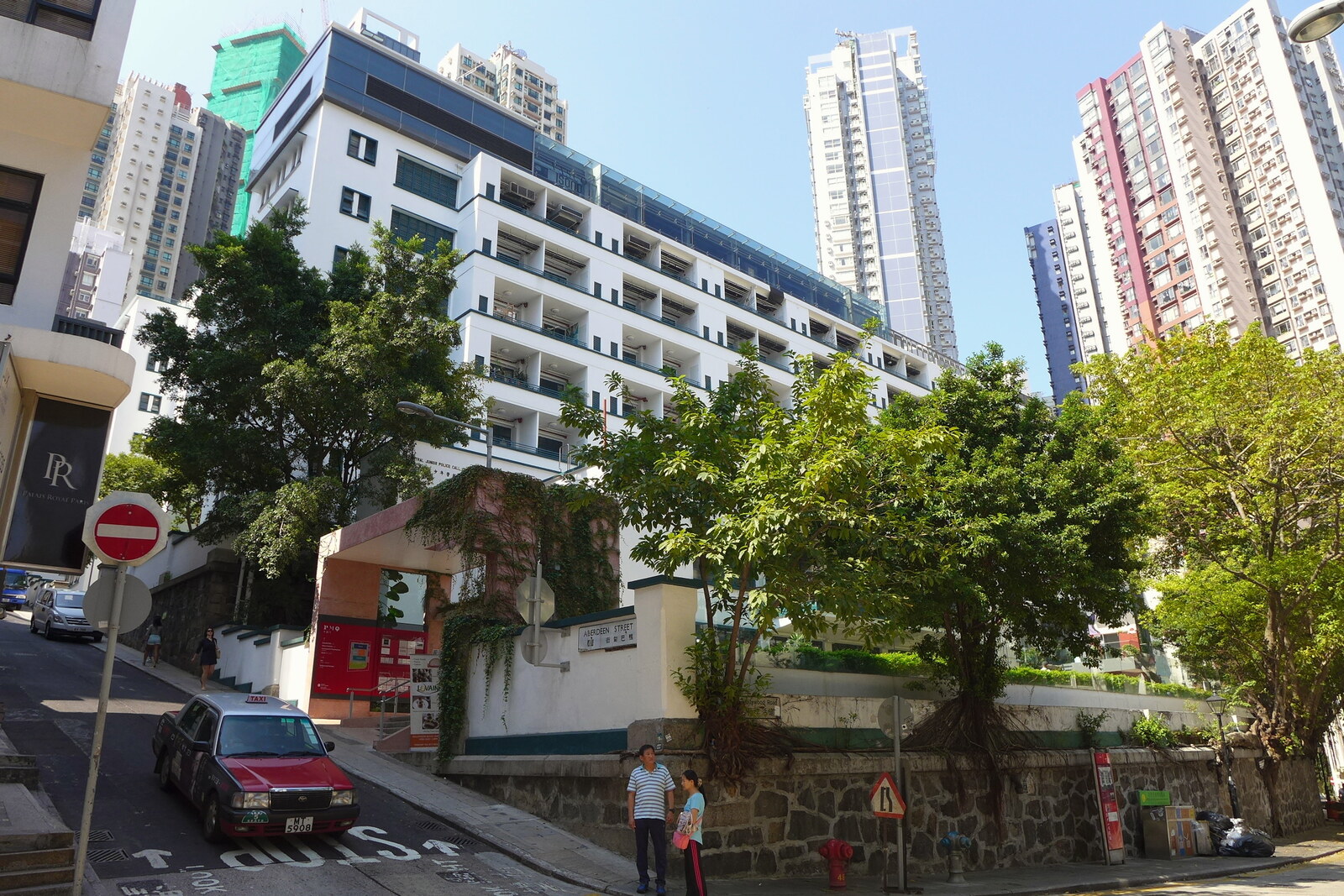
Look around first
What to notice
- Two residential blocks
- Open corridors
- Separate kitchen cubicles
- Two preserved apartments
The story of the place
Police officers with families were housed in these two blocks. Open galleries run along rooms with balconies, and separate kitchen cubicles stand across the passage from them. At first, the whole floor shared showers and toilets; later, the apartments were given their own bathrooms. Today, the former living rooms are occupied by designer studios and small shops, while two adjacent apartments have been preserved on the fifth floor, with the life of a police family recreated in one of them.
In the spring of nineteen fifty-one, Duncan William MacIntosh opened Hong Kong's first staff apartments for married junior-ranking police officers here, including Chinese officers. MacIntosh was the postwar Commissioner of Police, tasked with rebuilding a service that had nearly fallen apart. He had about two thousand personnel left at his disposal, many police stations were damaged, and some officers had returned from Japanese camps with impaired health. Meanwhile, Hong Kong's population was growing rapidly because of refugees after the civil war in China. New constables were needed, but the old conditions could no longer attract them.
Before the war, staff housing had gone mainly to senior, European, and Indian personnel. MacIntosh raised local police officers' pay and included an apartment among the benefits for the rank and file. The first result was these two blocks near Tai Kwun: one hundred forty one-room and twenty-eight two-room apartments. They were allocated by length of service and rented out for a small fee. The word “married” in the name denotes an exact condition of occupancy: the rooms were intended for married constables and their children, not for single barracks staff.
The layout shows exactly what kind of life they were offered. On one side of the open corridor were living rooms with balconies; on the other were separate kitchen cubicles. At first, toilets and showers were shared; apartments did not get their own bathrooms until the nineteen seventies. Domestic life inevitably spilled into the corridor. Neighbors shared cooked food, roasted meat near the kitchens, children held bicycle races along the galleries and played badminton in the courtyard between the blocks. Mothers called them to dinner from the upper floors.
One such child was Bo Law. He moved here at the age of eight from a police family and lived here for six years. Later, the family moved to other staff housing, where, as he recalled, he knew only the nearest neighbors. Here, the two galleries facing each other and the kitchens across the passage made families meet constantly.
In two thousand sixteen, the administration of the design center already open here invited Bo Law to return as an illustrator. He was given a former apartment and three months to recreate the quarters' everyday life. He covered the walls with drawings: children racing bicycles down the corridor, neighbors passing dishes to one another, a mother catching a child who has stolen food. Animation was added to the drawings, which visitors viewed through a phone. A person who had grown up in a staff apartment returned here to earn a living by his craft and turned family memories into an exhibition.
This exhibition ended in the spring of two thousand seventeen. Designer studios and small shops now operate in the former living rooms, while the kitchen cubicles across the corridor serve as display windows. On the fifth floor, two adjacent apartments have been left for a permanent historical exhibition; one recreates a police family's home. The room, corridor, and kitchen are still divided as the first married constable received them under MacIntosh's reform.
Useful on site
Studios and shops usually 12:00–19:00; cafés and restaurants 09:00–23:00; individual tenants keep their own schedules. Checked 2026-06-30.
Checked: June 30, 2026. Check the official source before visiting.You can explore the courtyard and architecture on your own; exhibitions, workshops, and events have their own access conditions.