 Guide On Map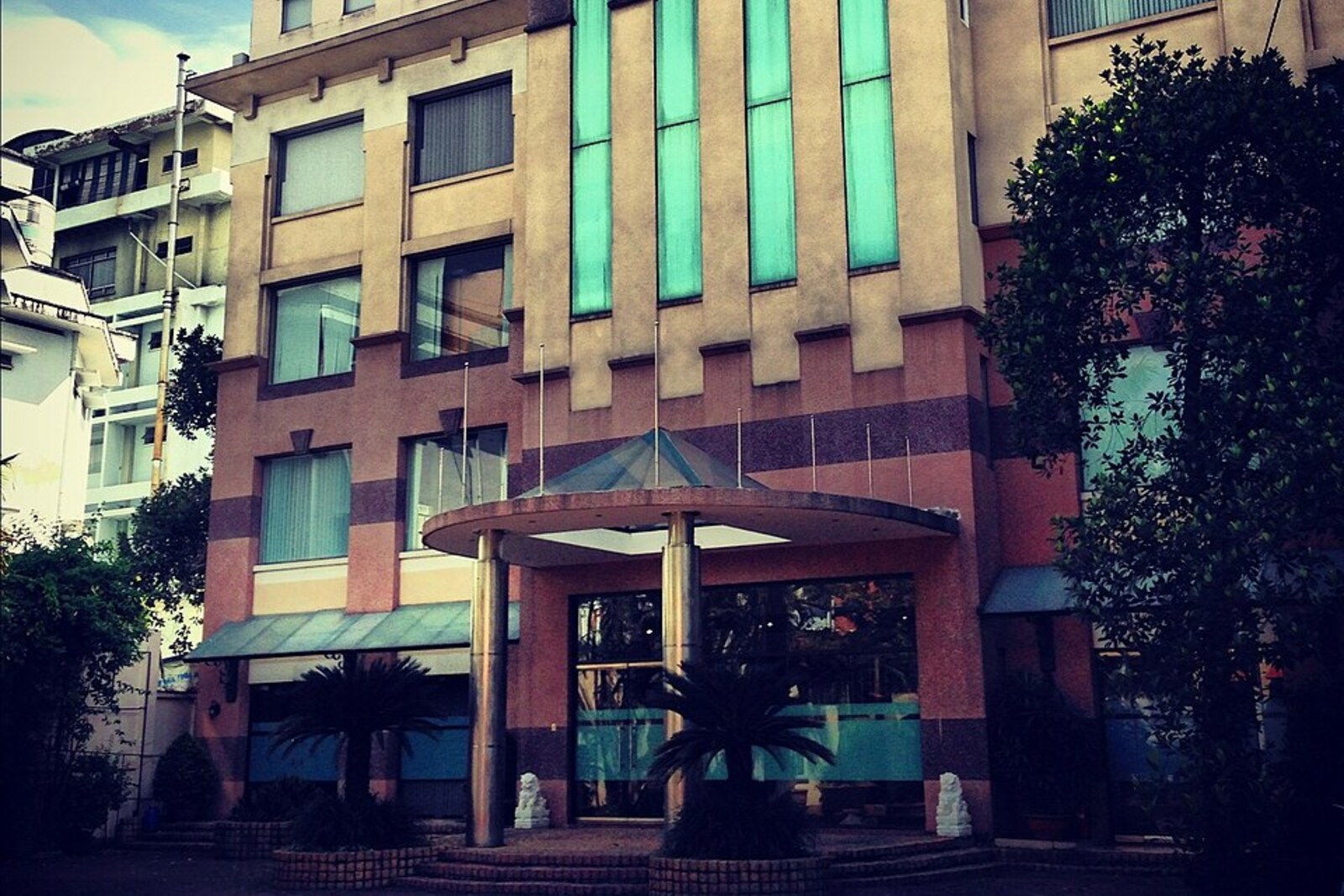
Look around first
What to notice
- Mother of the South Monument
- Wartime letters
- Áo dài
- Objects of traditional crafts
The story of the place
In the autumn of nineteen eighty-two, more than two hundred women leaders from different generations gathered in Ho Chi Minh City and acknowledged an uncomfortable fact: too little had been said about Southern women in the general history of women in Vietnam. Women who had taken part in the wars were growing old, many testimonies existed only in their memories, and photographs and personal belongings were kept by families.
Nguyễn Thị Thập, the former chairwoman of the Vietnam Women's Union, was asked to lead the work; by then, she had already retired. She herself had lost her husband and two sons. At the first working meeting, Thập gave her comrades three tasks: record living witnesses, collect objects, and build a monument to the Vietnamese mother. A book, she explained, would not persuade people as much as an object they could see with their own eyes.
The group included thirteen elderly women from the women's movement; most worked voluntarily after retirement. They traveled through the southern provinces, sought out women witnesses, and asked families to hand over letters, photographs, clothing, and other mementoes. At the same time, Nguyễn Thị Thập pressed for premises and asked that the group be given house number two hundred two on Võ Thị Sáu Street—the site was then a government guesthouse. That is how the museum came to be at this address.
On April twenty-ninth, nineteen eighty-five, the Southern Women's Traditional House opened here: a small memorial center of only two hundred square meters, with six exhibition halls. By then, Nguyễn Thị Thập was seriously ill. She came to the ceremony, but could no longer hold the scissors to cut the ribbon.
In less than a year, about one hundred thousand people visited the exhibition. Six halls proved too few for the objects and testimonies that continued to arrive from across the South. The state authorized an expansion, but the group had to raise money and building materials themselves from organizations, private donors, and Vietnamese abroad. For four years, the women simultaneously searched for exhibits, prepared the history of the women's movement, and supervised construction. In May nineteen ninety, a large museum building opened next to the first house.
The museum's name refers to all the women of South Vietnam whose lives its founders intended to show. That is why wartime letters, prison belongings, and photographs of women in the underground movement stand alongside áo dài, jewelry, kitchen utensils, farming tools, and objects of traditional crafts. And in October nineteen ninety-two, the Mother of the South Monument was inaugurated on the grounds—the last of the three points Nguyễn Thị Thập had written down for her comrades ten years earlier.
Useful on site
Museum hours with a possible midday break; check the official page before visiting.
Checked: date not specified. Check the official source before visiting.Read the stories of individual women, not just the overview panels. Regard the building's connection with General Nguyễn Ngọc Loan as a widespread account, but not one proven beyond dispute.