 Guide On Map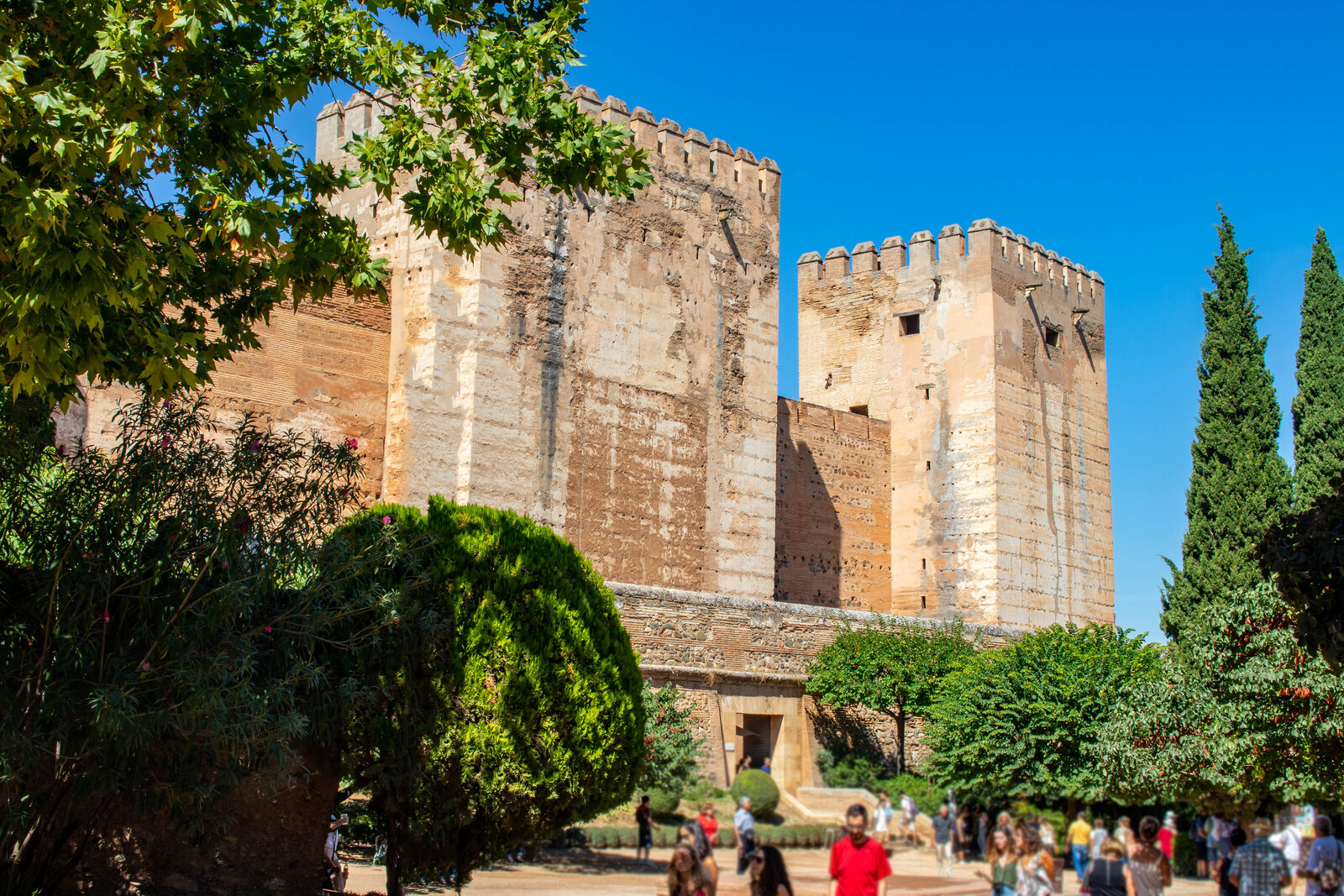
Look around first
What to notice
- Entrance to the cistern
- Kiosk above the water-drawing opening
- Level square between the fortress and the palaces
The story of the place
The level square between the Alcazaba and the Nasrid palaces lies on the roofs of two enormous underground reservoirs. Inside, parallel vaulted chambers extend with arched passages between them, and water was once raised through six round openings in wooden buckets on chains. The kiosk stands above the opening used longer than the others, while the entrance to the underground structure remains outside. Later, water carriers came here with pack animals, and above the former hollow with its houses, street, and bridge, a place for trade and meetings grew up.
In January fourteen ninety-two, King Ferdinand of Aragon and Queen Isabella of Castile left conquered Granada, leaving Íñigo López de Mendoza, Count of Tendilla, in the Alhambra. He became the alcaide—the fortress commander, responsible for holding it. Five hundred cavalrymen and one thousand infantrymen remained with him. The city’s Muslim population outnumbered the Christian garrison, so the royal court prepared for a possible siege.
Water was the main vulnerability. It reached the Alhambra through the Royal Canal from the Darro River. It would have been enough to cut the canal beyond the walls, and the garrison would have lost its steady supply. Ferdinand of Aragon and Isabella of Castile ordered Tendilla to create a reserve that would last the people inside the fortress a long time.
The count chose a deep hollow between the Alcazaba and the Nasrid palaces. The present-day square did not exist then: a street descended here, houses stood here, and a bridge crossed the hollow. In fourteen ninety-two, builders began constructing an enormous brick cistern in the hollow. The master builder’s name has not been reliably established. The work was completed by May fourteen ninety-four; it cost the crown more than one and a half million maravedís.
Underground, there were two parallel chambers thirty-four meters long, covered by vaults about eight meters high. Arched passages were left between them, and above were six round openings for wooden buckets on chains. The cistern held approximately one thousand six hundred thirty-two cubic meters of water.
After its construction, its vaults occupied part of the former hollow. During the sixteenth century, people filled the space around them with rubble and fragments from neighboring buildings; especially large amounts of material appeared during the construction of Charles V’s palace. The old houses, streets, and bridge disappeared beneath the fill. Above the reservoir, a gently sloping square formed, linking the Alcazaba with the palaces.
The reserve for a possible siege soon became an ordinary urban water source. At the beginning of each year, the cistern was emptied, cleared of silt, and filled again from the Royal Canal. A caretaker kept buckets, chains, and pulleys here and received a small payment for every amount raised. Water carriers came with pack animals, filled jugs and barrels, and then sold the water in the lower city. A place for trade and meetings arose on the surface of the reservoir.
Of the six water-drawing openings, the one now beneath the kiosk was used longer than the others. The rest are closed, as is almost the entire cistern; only its entrance remains visible outside. The Spanish name Plaza de los Aljibes means a plaza named for the cisterns: the level passage between the fortress and the palaces lies above the two long vaulted chambers of Count Tendilla.
Useful on site
Inside the complex; follow the current signs and the time on your ticket.
Checked: June 28, 2026. Check the official source before visiting.There is little shelter from sun and wind here. Stop to one side so that you can calmly picture the volume of the reservoir beneath your feet.