 Guide On Map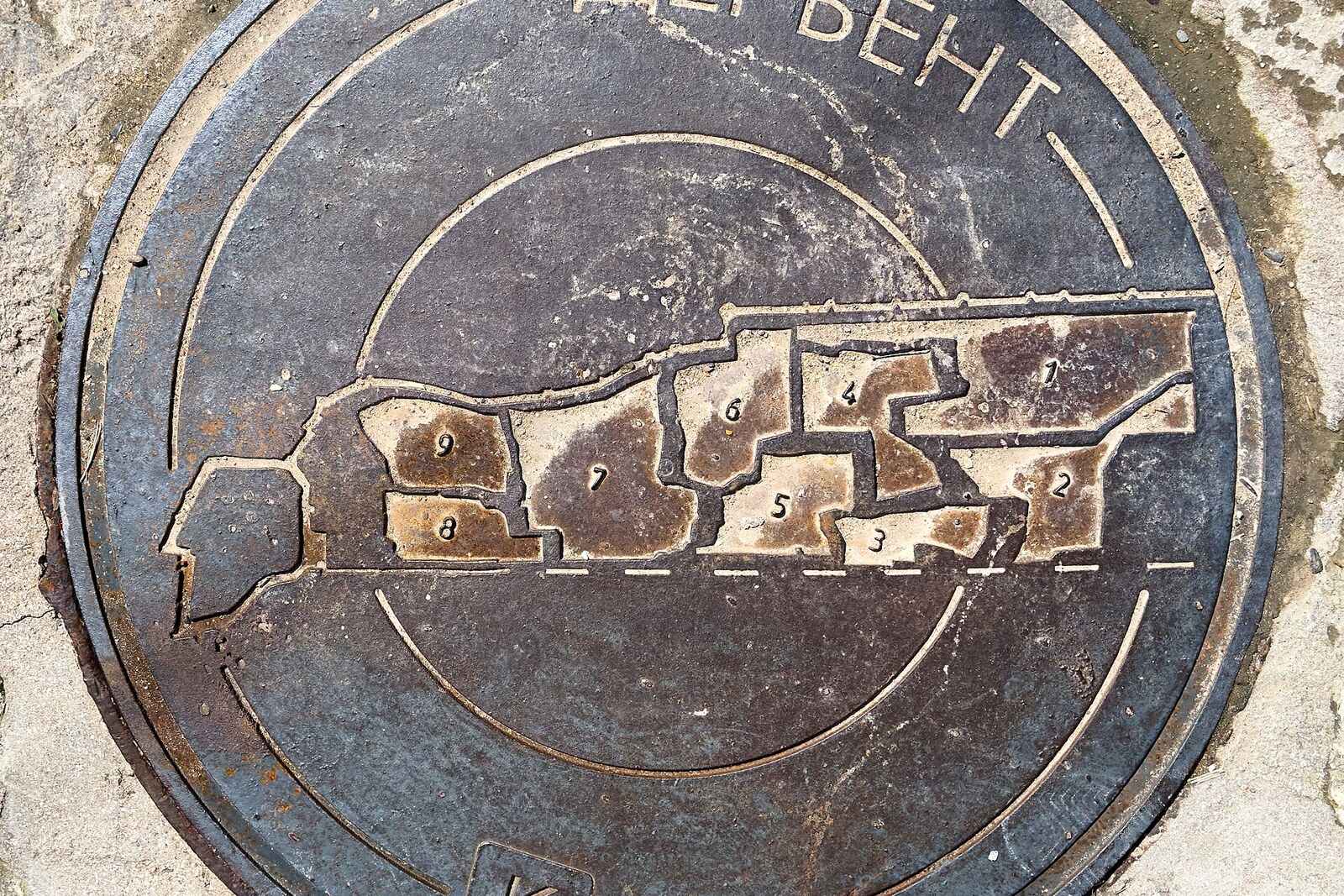
Look around first
What to notice
- Blank walls of houses
- Turns and dead ends
- The inscribed column in Kyrkhlyar Mosque
The story of the place
Old Derbent within the fortress walls took shape from magals, small neighboring districts. Each had its own mosque, spring, bathhouse, and place for communal gatherings; the first such communities appeared after the Arab conquest, when people from different cities of the Middle East settled here. Families altered inherited houses so that everyday life moved into the courtyard, while blank walls faced the passages. The turns and dead ends grew from short routes to water, the market, and prayer, rather than from a single urban plan.
In the spring of seventeen twelve or seventeen thirteen, residents of one of these neighborhoods gathered at Kyrkhlyar Mosque. Each contributed money for repairs, and the master Mahmud Derbendi repaired the mosque and the minbar—the pulpit for the Friday sermon. The inscription carved on the column names no single wealthy patron. It says that many people gathered and that every one of them donated. This column still stands inside the mosque.
This was how the residents of a magal dealt with matters that concerned all their neighbors. Magal is the Russian form of the Turkic word myakhallya, meaning an urban neighborhood. The residents elected a council and a myakhallya-bashi—a headman. Together with the elders, he oversaw the water supply and sewerage system, the repair of the bathhouse, mosque, and school; hired a shepherd; distributed donations among the poor; and organized help at weddings and funerals. The council's decisions were binding. Persistent refusal could end in forced expulsion from the magal: a person risked losing their home and the circle of neighbors whose help their family relied on.
The first neighborhoods appeared here after the Arab conquest in the eighth century. Medieval authors linked them to groups of settlers from Damascus, Homs, Mosul, Kufa, and other regions. Each community had its own mosque. Later, the residents and the names changed, but the arrangement remained: houses, a neighborhood mosque, a spring, a bathhouse, and a small square for gatherings.
The streets between them were not laid out by a single architect. Families rebuilt inherited houses, turned their residential facades toward the courtyard, and left a blank wall facing the passage. At the same time, residents preserved short routes from their doors to the spring, the market, the neighborhood mosque, and Juma Mosque. This multitude of everyday decisions produced the turns, lanes, and dead ends. They really did hinder an enemy's movement if the enemy broke through the fortress walls, but no one drew the entire labyrinth in advance as a trap.
The names also helped people find their way. There were Mosque Lane, Blacksmiths' Lane, Bath Lane, and Bazaar Lane. After Derbent was incorporated into the Russian Empire in eighteen oh six, officials found it difficult to use the local names. Nine magals were numbered for the police administration. The old names remained in the residents' speech, while the numbers became part of official addresses.
The address of Juma Mosque can still be written as follows: seventh magal, one hundred twenty-seventh block, house ten. The number takes you to the right part of the city. The final turns were left by families who went from here for water, to the market, and to the communal gathering.
Useful on site
Open urban space with no formal hours; visit in daylight.
Checked: date not specified. Check the official source before visiting.These are residential streets: do not look into courtyards, do not block the passage, and photograph people only with their consent.