 Guide On Map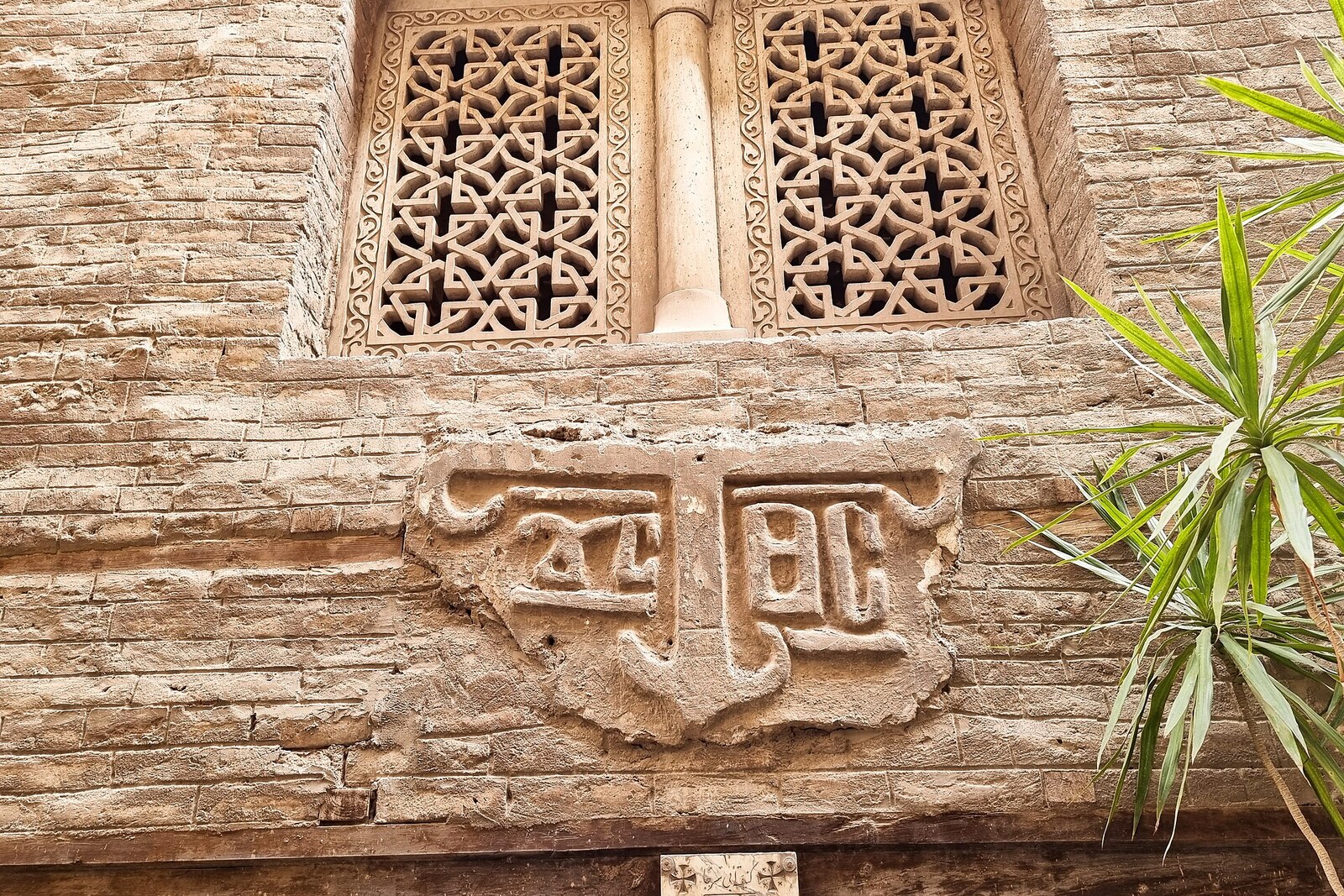
Look around first
What to notice
- Main nave
- Main altar
- Three-part crypt
The story of the place
A small crypt of three parts has been arranged beneath the main altar, and services continue above it. People come here above all because of a Coptic tradition linking this underground space to the shelter of Mary, Joseph, and the infant Jesus during the Flight into Egypt. The Gospel names neither this cave nor a Cairo address, so it is church tradition that gives the crypt its significance. The name Abu Serga preserves the memory of Sergius and Bacchus, revered Christian martyrs whose deaths, according to tradition, took place in Syria.
Around nine seventy-five, Abraham ibn Zaraa came to this church to pray. He was an elderly Syrian merchant who had built a great fortune through import and export trade. He did business with the circle of the Fatimid caliph al-Mu'izz and was known in Cairo for his charity. Abraham had never been a priest.
After the death of Patriarch Mina the Second, Egyptian bishops, Alexandrian priests, and archons—prominent laypeople in the Coptic community—gathered at the Church of Saints Sergius and Bacchus to choose a successor. For several days, they could not reach an agreement. The church served as the seat of the bishop of Old Cairo; patriarchs had been chosen here since the end of the seventh century, so the dispute was settled in this very nave.
When Abraham entered a festive service, one of the archons pointed him out to the bishops. A friend of the merchant summoned him on the pretext of discussing business. Abraham came closer, and the assembly proclaimed him worthy of the patriarchate. He refused: the merchant had not sought ecclesiastical rank and considered himself unprepared for it. A Coptic church chronicle states that Abraham was put in iron shackles and forcibly taken to Alexandria for consecration.
He did not continue in trade. Abraham became the sixty-second Patriarch of Alexandria. Immediately after his consecration, he forbade clerics to accept gifts in exchange for appointments to church offices. The man whom the bishops had summoned on the pretext of discussing business deprived a church career of its customary cash transaction. Three years later, he died as patriarch.
Today, people come here above all for the underground chapel beneath the main altar. According to Coptic tradition, Mary, Joseph, and the infant Jesus took shelter here during the Flight into Egypt. The Gospel names neither this cave nor a Cairo address, so this is specifically a church tradition. It has been set in stone: a small three-part crypt lies directly beneath the sanctuary, and services are held above it.
The church's full name preserves another memory. According to Christian tradition, Sergius and Bacchus were Roman soldiers who refused to take part in pagan sacrifice at the beginning of the fourth century. They were executed in Syria: Bacchus was beaten to death, and Sergius was beheaded in Resafa. They never came to Cairo. The reason the local church was dedicated specifically to these martyrs has not survived in the documents. Abu Serga is a local name derived from Sergius; Bacchus remained in the church's full dedication.
No separate relic remains here from Abraham's election: the furnishings have changed many times, and patriarchal elections have long taken place elsewhere. On the site of the present nave, there then stood a church that a wealthy layman entered to pray and from which he was taken away in iron shackles as the head of Egypt's Christians.
Useful on site
Daily 09:00–16:00 according to MoTA; the crypt may be closed because of water, services, or restoration work.
Checked: June 28, 2026. Check the official source before visiting.Access to the crypt depends on its condition and the wardens' decision; do not insist on going down if the staircase is closed. It may be cramped and damp below.