 Guide On Map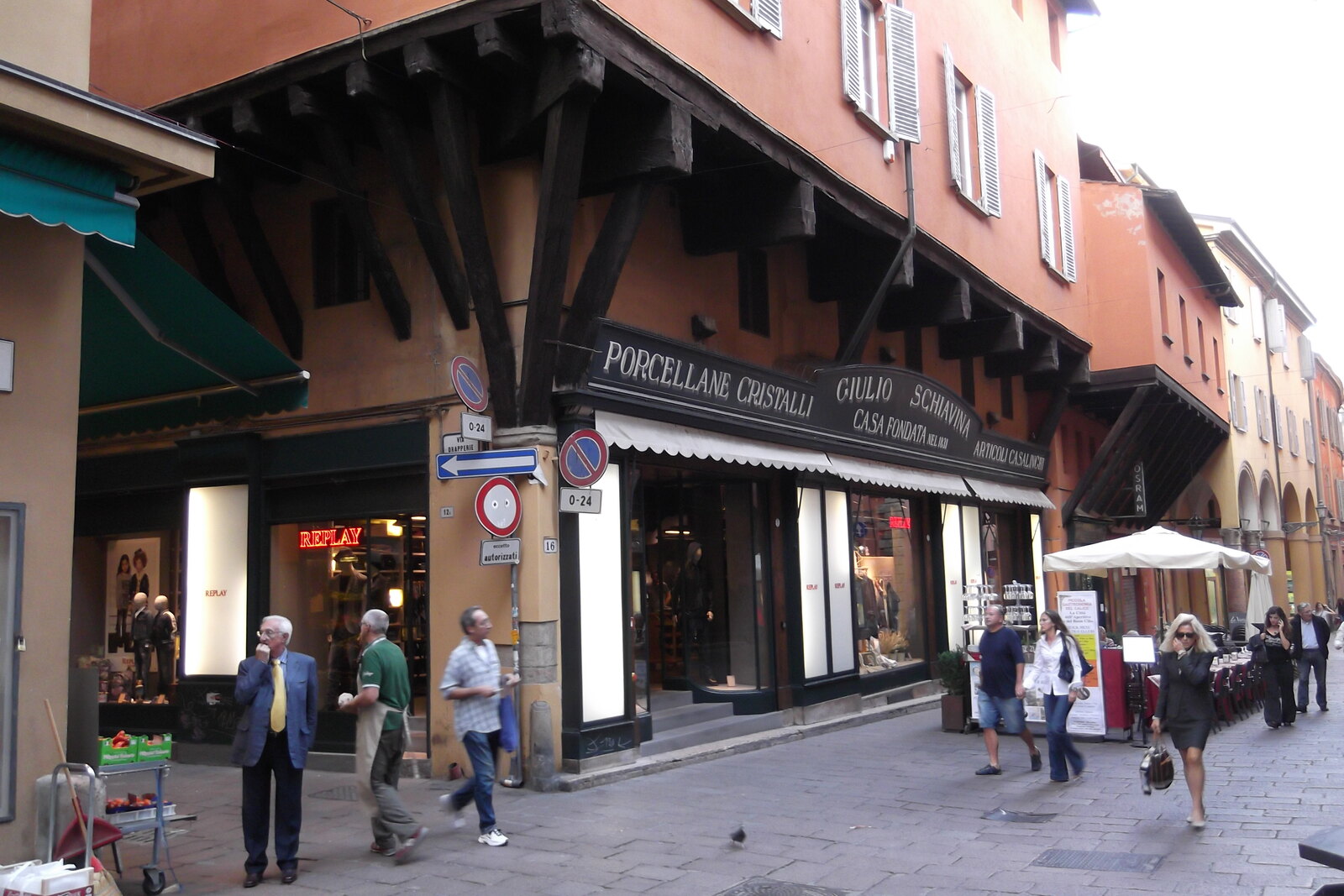
Look around first
What to notice
- Shop entrances right by the pavement
- Fish display window
- Sign with the word “Vecchie”
The story of the place
The word Old in the street's name became fixed after fish sellers were moved to new premises between Via Orefici and Mercato di Mezzo. The former stretch of the fish market remained here, where baskets of goods were brought in the mornings and wholesale deals gave way to retail trade for townspeople. Visiting sellers and the city guild shared the right to the most profitable sales hours, while guild traders tried to delay the registration of others' goods. The fish display window still keeps this street tied to its old trade.
On Via Pescherie Vecchie, medieval commercial premises still open directly onto the pavement. They were called buse—pits: behind the room where goods were sold was a cellar for keeping food cool. Many such premises now sell fruit and vegetables, but one shop still sells fish.
At the beginning of the fifteenth century, a religious brotherhood that founded the neighboring Santa Maria della Vita hospital set up these shops in its own houses. The premises were leased to fish traders. The hospital received money and part of the payment in food: each year it was due five pairs of capons and one hundred four pounds of fish—just under thirty-eight kilograms.
For members of Bologna's fishmongers' guild, these tenants were competitors. They were called fishmongers by old tradition; most did not catch fish, but bought it from suppliers in Ferrara, Comacchio, and other places, then resold it fresh, salted, smoked, or fried. Their earnings depended on the exclusive right to retail fish. The owners of the cellar shops prevented that right from becoming a monopoly.
The guild demanded that its rivals be forbidden to sell fish. In fourteen forty-six, the city magistrates responded by dissolving the guild itself and permitting free trade. Its former members lost their exclusive access to buyers, while the hospital's tenants kept their shops. The fishmongers tried several times to restore the organization. Forty-two years later, they succeeded: in fourteen eighty-eight, the magistrates approved new statutes and again gave the guild a preferential right to sell fish. The documents then mentioned Ruga delle Pescherie, the street of fish shops, for the first time as the only place where fresh fish could be sold every day.
In the morning, suppliers came here with baskets, sold goods wholesale to guild traders, and offered what remained to townspeople. Guild members tried to delay the weighing and registration of other traders' fish for as long as possible. While the formalities dragged on, the first and most profitable hours of trade remained theirs.
In seventeen thirty-seven, Bologna's senators reopened the market to all sellers. The guild then ceased to exist, and visiting traders gained free access to buyers. Fish shops remained here for another eighty years. When the sellers were moved in eighteen seventeen to new premises between Via Orefici and Mercato di Mezzo, the former Pescherie Nuove—New Fish Shops—began to be called Pescherie Vecchie, the Old Fish Shops. The cellars, fish in one display window, and the word “Vecchie” on the street sign have remained in place.
Useful on site
Public city street; the hours of individual shops and stalls vary.
Checked: June 28, 2026. Check the official source before visiting.It is best to stop at the edge of the street: deliveries, shoppers, and visitors constantly share a single passage.