 Guide On Map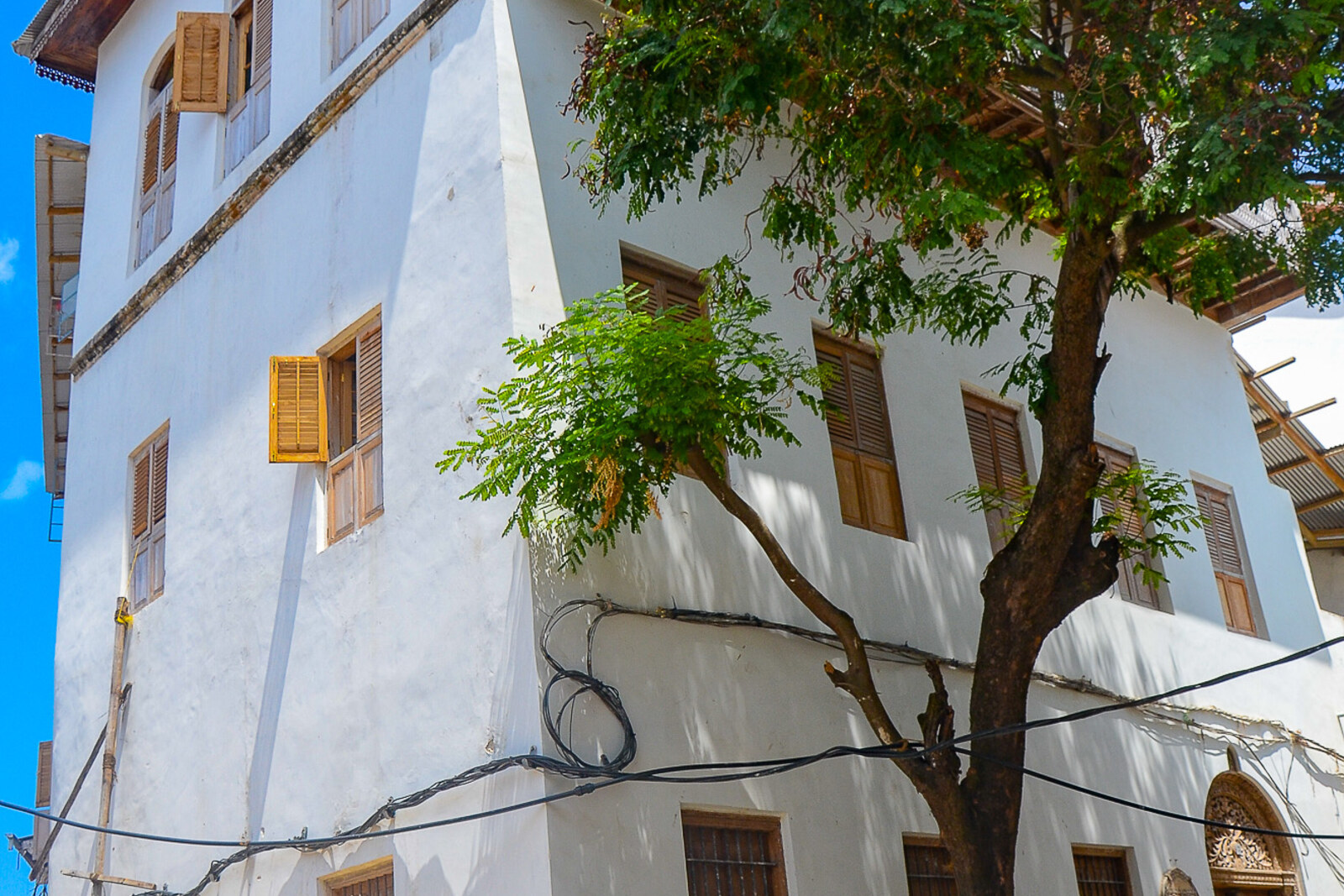
Look around first
What to notice
- Carved wooden door
- Black-and-white marble steps
- Grave beside the house
The story of the place
Behind the carved wooden door and black-and-white marble steps, Hamad bin Muhammad al-Murjebi spent his final years. The house bears his nickname—Tippu Tip. He himself traced it to an imitation of frequent rifle fire during one of his expeditions; another version links the nickname to a habit of blinking rapidly.
From Zanzibar Island, Hamad outfitted armed caravans for ivory and enslaved people. The trade made him a wealthy landowner. He built a town residence here and returned to the island around eighteen ninety: European colonial armies were already driving his people out of the regions where his detachments and trade agents had previously operated. Now he managed estates and protected the property he had accumulated.
At the end of the century, a former associate of Tippu Tip named Rumaliza brought a property claim against him. Rumaliza sought his share, and the German consulate supported his claims. Heinrich Brode attended the hearings on the consulate's behalf. The case ended in defeat for Tippu Tip, but he continued to communicate with Brode.
Brode wanted an account from a participant in caravan trade and conquests in Central Africa. He persuaded Tippu Tip to write down his life. Here, during the years he lived in this house, the retired trader began work on a manuscript. He wrote in Swahili using Arabic letters: he knew Swahili better than literary Arabic and chose the language in which he conducted business and gave orders.
Brode copied the text in Latin letters and translated it into German. On September nineteenth, nineteen oh one, he completed the work on Zanzibar Island, and in nineteen oh two and nineteen oh three he printed it in a Berlin journal of Oriental languages. Later, Brode reworked the account for a European audience: he added his own explanations and replaced the first-person narrative with a third-person biography. After Brode's work, Tippu Tip's story spread in translations, while the original text became one of the earliest autobiographical works in Swahili.
Researchers have been unable to establish the fate of the manuscript that Tippu Tip gave to Brode. Tippu Tip himself died in this house on June thirteenth, nineteen oh five; his grave was arranged nearby. Of his private residence, there remain the carved door, the marble steps, and the name under which he decided to write down his own life.
Useful on site
The house is private and cannot be entered; the façade can be seen at any time of day.
Checked: date not specified. Check the official source before visiting.The house is in poor condition and officially closed: do not go inside, do not lean on the structures, and view it from the public street.