 Guide On Map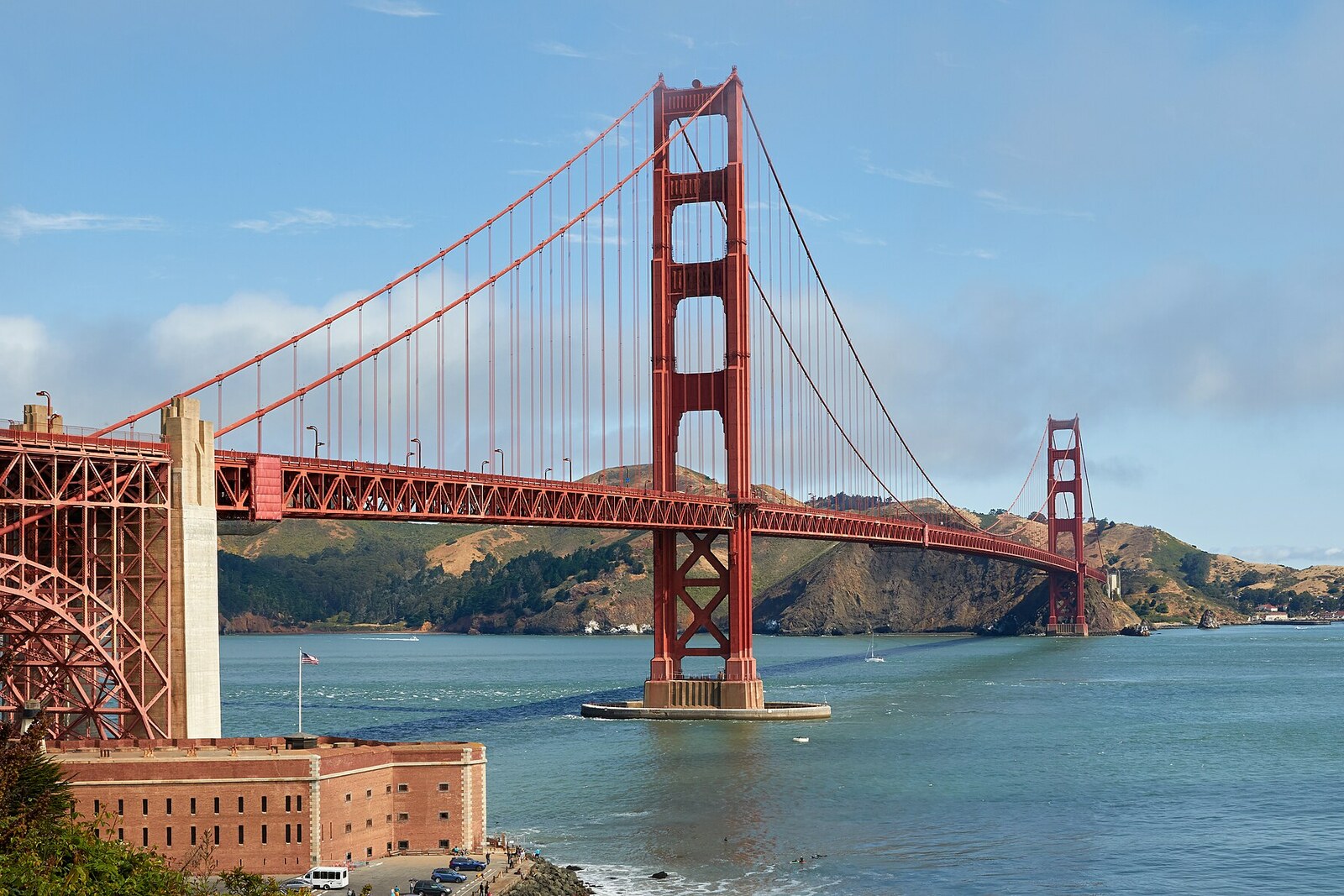
Look around first
What to notice
- Earthen ramparts
- Brick powder magazines
- Gun platforms
- Tunnel of the old covered way
The story of the place
The platform’s broad steps run above the former covered way that linked the two coastal batteries. Beneath the grass stretch earthen ramparts and transverse embankments, and behind them brick magazines for charges and shells have survived. Battery East served as an artillery position at the entrance to the bay: gun crews rolled cannons to the edges of the ramparts to keep the passage for ships under fire. The guns are gone, but the platforms and tunnel still show how this defense was assembled.
Lieutenant Colonel Charles Seaforth Stewart, a career officer in the United States Army Corps of Engineers, was responsible for the fortifications of San Francisco Bay. He sought to ensure that an enemy ship could not be brought through the narrow Golden Gate. Construction of the East Battery, now called Battery East, began under his direction in eighteen seventy-three.
This was his profession, not a chance commission: during the Civil War, Stewart built defensive lines and saw what rifled guns did to brick forts. Their shells pierced vertical masonry. So the army engineers raised a new position on the cliff above Fort Point and shielded its seaward side with an earthen rampart about six meters thick. They built similar earthen traverses between the gun platforms and hid brick powder magazines beneath them. Artillerymen were to bring up charges and shells from there, roll a gun to the edge of the rampart, and fire through the entrance to the bay. The earth would absorb the impact; the crew at the exposed gun would still remain under fire.
Stewart planned to place sixteen guns and four mortars here. But the United States Congress steadily cut appropriations, and in eighteen seventy-five it stopped funding the construction of coastal fortifications for the next fourteen years. Battery East remained unfinished and without guns. In the next budget estimate, Stewart asked not for completion of the position, but for pay for two watchmen and repairs to the structures at Fort Point. Rain seeped into the magazines, while gophers and weasels dug tunnels in ramparts designed to withstand naval shells.
Only in December eighteen ninety-seven did the military install four eight-inch rifled Rodman guns here. A few months later, the war with Spain began, and an artillery company returned to Fort Point. For its soldiers, these embankments became a workplace: the guns had to be maintained, the crews trained, and the entrance to the bay guarded. They did not have to fire at Spanish ships. Eleven days after the war began, an American squadron destroyed the Spanish Pacific Fleet in Manila Bay, and no attack on San Francisco took place.
There are no longer any guns at Battery East. Some of the platforms, the brick magazines, the earthen traverses, and the tunnel remain. In two thousand fifteen, the path to the new viewing platform was deliberately laid along the line of the old covered way that connected Battery East and Battery West. The broad steps now face the bridge, while beneath the grass lie the ramparts of a position begun for sixteen guns and first armed only on the eve of its only war.
Useful on site
Open viewing platform as part of Presidio parkland; there are no restrooms or shops on site.
Checked: June 26, 2026. Check the official source before visiting.The fortifications’ terrain is uneven: use the designated paths and do not climb onto closed embankments for a photograph.