 Guide On Map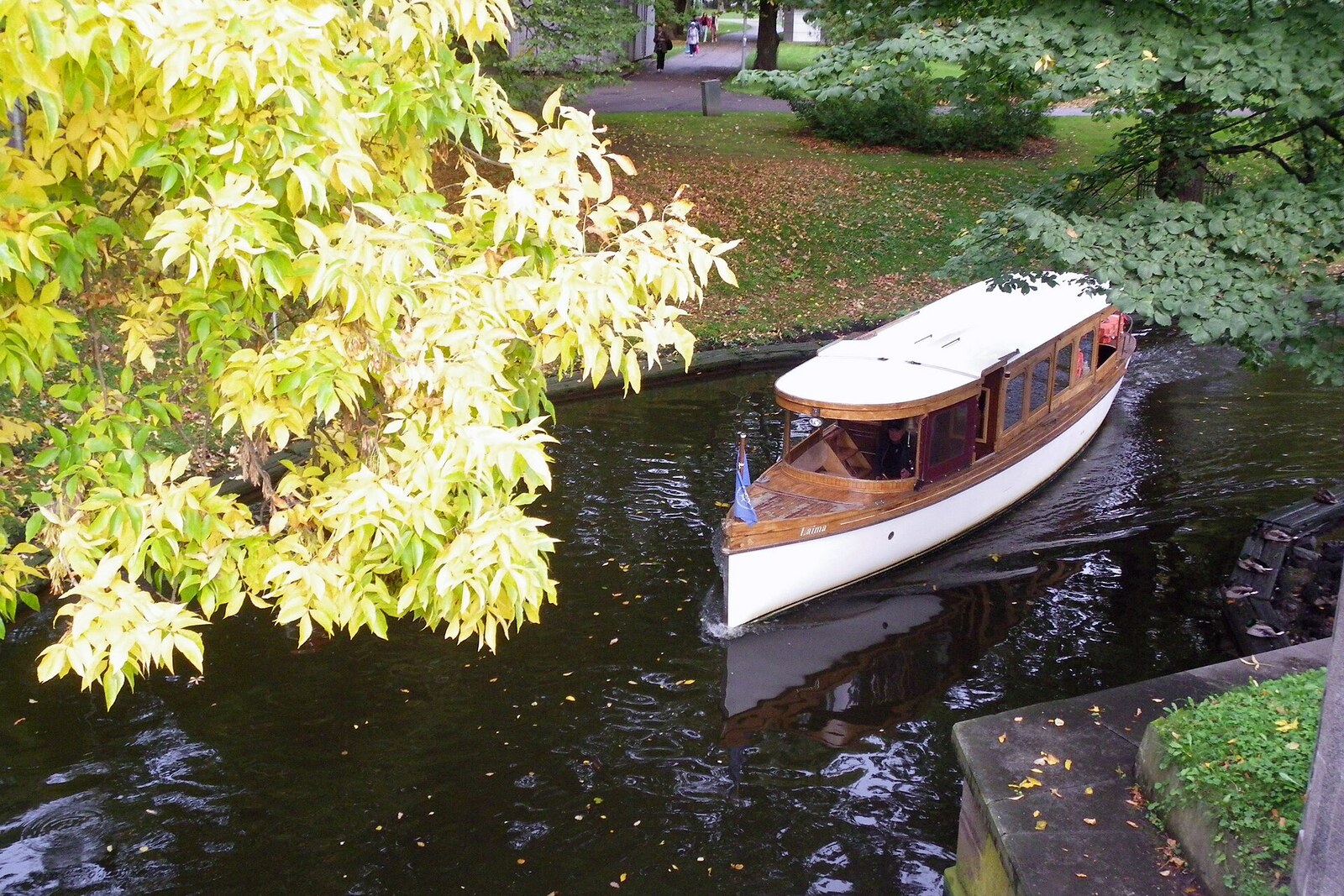
Look around first
What to notice
- Riga Canal
- Reddish-brown memorial stone
- Engraved hats
- Inscription about the beginning of Latvian theatre
The story of the place
The park took shape where shooting ranges and closed lawns once stood. In the late nineteen twenties and early nineteen thirties, the state and the city transferred most of this territory for public use, and garden architect Andrejs Zeidaks turned it into a city park. The wooden gymnasium disappeared, but a reddish-brown stone engraved with hats remains near Krišjāņa Valdemāra Street.
Today, you can enter the park from any side, and the canal divides it into two freely accessible halves. In eighteen sixty-eight, entry here required a membership ticket. Emperor Alexander II transferred the land by the former city ramparts to the Riga German Riflemen's Society. Its members set up a shooting range, a gymnasium, and a closed club garden. The old name—Riflemen's Garden—referred specifically to that German society, not to the Latvian Riflemen of the twentieth century.
At the time, Latvian advocates of enlightenment in Riga were seeking permission to form their own society. An earlier application had been rejected. An opportunity arose after crop failure and famine in Estonia: collecting aid for those affected made it possible to register a Latvian charitable organization and hold public events.
One of its organizers was Rihards Tomsons. He earned his living as an accountant at a chemical factory in Torņakalns, helped draft the charter of the future Riga Latvian Society, and wanted Latvians in the city to have regular concerts, lectures, and performances. The new association needed money and an audience. Tomsons rented the gymnasium in Riflemen's Garden, gathered amateurs, and took charge of staging the comedy “The Drunkard Bertulis.”
In June eighteen sixty-eight, the hall was full. It was the first performance in Riga in the Latvian language. Its success gave the temporary charitable organization an audience of its own. In the autumn, the charter of the permanent Riga Latvian Society was approved, and in December a theater commission appeared within it. The amateur troupe continued performing, and the Riga Latvian Theatre grew out of it.
The garden itself remained club territory for several more decades. In the late nineteen twenties and early nineteen thirties, the state and the city transferred most of it for public use, and garden architect Andrejs Zeidaks turned the former shooting ranges and closed lawns into a city park.
In eighteen thirty-seven, it was named after Atis Kronvalds—a teacher and publicist who defended the right of the Latvian language to be a language of school, literature, and public life. Kronvalds created words that the language lacked; among them was “luga”—a play.
The wooden gymnasium is gone. Near Krišjāņa Valdemāra Street stands a reddish-brown stone engraved with hats and an inscription: “The Beginning of Latvian Theatre. Turnhalle. Eighteen sixty-eight.” Paths of the publicly accessible Kronvalda Park run around the stone.
Useful on site
Open city park; check seasonal services and events separately.
Checked: June 26, 2026. Check the official source before visiting.This stop takes place outdoors. Find a quiet spot by the canal; after rain, stay on firm paths and do not go close to the slippery water's edge.