 Guide On Map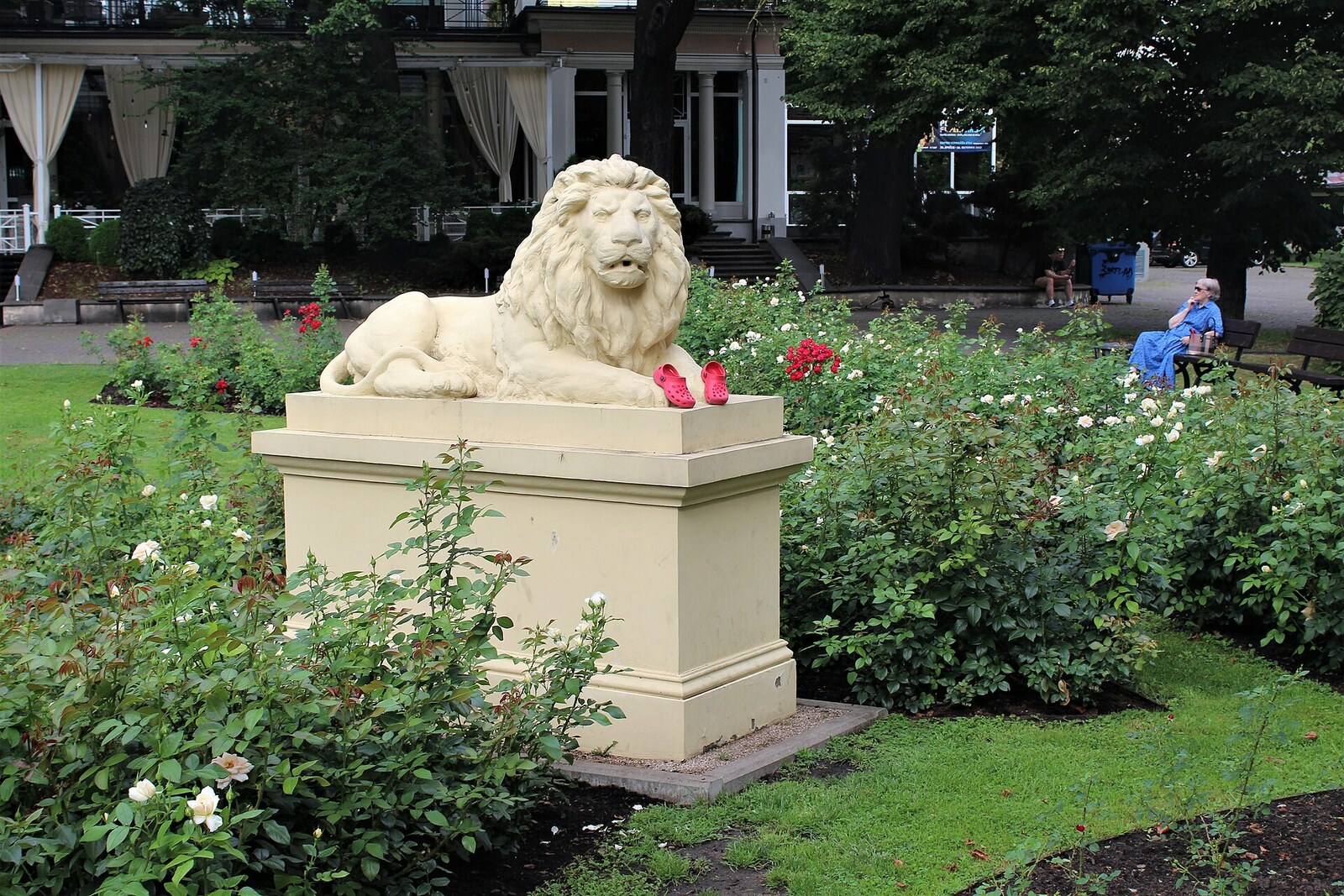
Look around first
What to notice
- Granite obelisk to Anna Gertrud Wöhrmann
- Rose beds
- Winding paths
The story of the place
Vērmane is the Latvian form of the surname of Anna Gertrud Wöhrmann, the widow of a Riga merchant. The garden bears her name because she paid for its creation and made sure that any city resident could come here freely.
The site for the garden appeared after a decision that cost Riga dearly. In eighteen twelve, the military command was preparing to repel Napoleon's troops and ordered the suburbs by the fortress fortifications to be burned: the houses were not to provide the enemy with shelter. The fire destroyed seven hundred eighty-two buildings, although an assault on the city never took place.
The new governor-general, Filippo Paulucci, wanted to erase the traces of the disaster and create public gardens on the vacant land by the ramparts. The city had no money, so he appealed to Riga's residents. Anna Gertrud Wöhrmann made the largest contribution. She lived on the fortune of her late husband’s family; he had been a merchant and member of Riga's Great Guild, and invested it in a plot that she no longer intended to own herself. The widow paid for trees and shrubs, then gave the city securities worth two thousand silver rubles: the interest from them was intended for the garden's upkeep. In her will, she required that it not be divided or sold, but kept open to the entire urban public.
In the summer of eighteen seventeen, visitors were given the first eight-tenths of a hectare—with paths, rare trees, a rose garden, and a restaurant. After Anna's death, her son Johann Christoph Wöhrmann expanded the garden and, in eighteen twenty-nine, erected a granite obelisk to his mother. The present park, covering about five hectares and hosting concerts and festivals, grew from the family donation.
The original obelisk was demolished in nineteen fifty-four. The current one was carved anew and installed among the roses in two thousand. The name Vērmane remains nearby, and the garden itself is still open without an entrance ticket.
Useful on site
An open city garden; events and individual cafés/kiosks operate on their own schedules.
Checked: June 26, 2026. Check the official source before visiting.Choose a quiet spot by the monument or away from the main paths; concerts and crowded events can drown out the audio.