 Guide On Map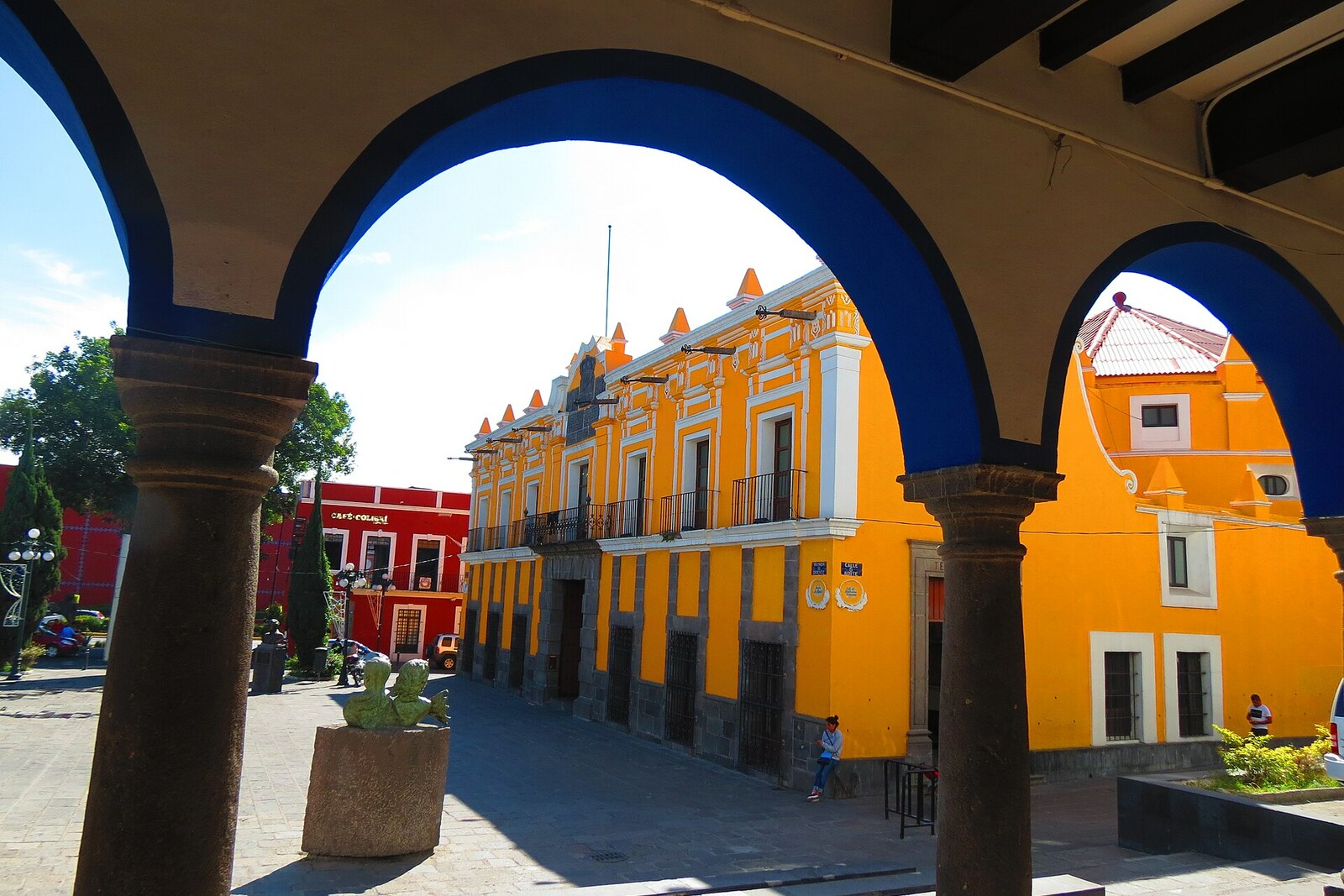
Look around first
What to notice
- The façade with the theater's name
- The main entrance
- The polygonal iron roof
The story of the place
By the morning of July twenty-eighth, nineteen oh two, only charred walls remained of the auditorium at Teatro Principal. The night before, zarzuelas—musical comedies—had been performed here. The show ended around one in the morning, and by six a.m. the fire had already destroyed the stage, boxes, and painted ceiling. Officially, the cause was said to be a candle left in an actors' dressing room. Townspeople suspected arson, but no evidence for that version was found.
The theater stood without a roof for almost four decades. By nineteen thirty-seven, two new uses for the ruins were under discussion: a boxing arena and a gas station. This is where Sergio Bé Guzmán enters the story—a doctor by profession and then president of the municipality, meaning Puebla's mayor. He campaigned to restore the theater.
Guzmán's son later said that Governor Maximino Ávila Camacho ordered the site cleared for a gas station. The mayor refused to carry out the order and called the destruction of the theater a crime against culture. For his disobedience, he risked his position: according to the same family testimony, Guzmán fell from favor and resigned before his term ended.
The refusal preserved the building's frame, but the auditorium still had to be brought back. In nineteen thirty-seven, a board of trustees was created. It was headed by the lawyer Rodolfo Sarmiento, who collected donations from private individuals, banks, merchants, and industrialists. The builders tried to retain the former layout and covered the auditorium with a new polygonal iron roof. On May fifth, nineteen forty, the theater reopened with a performance of “Who Loves You?” That ended the interruption that had begun on that night after the zarzuelas.
The word “Principal” appeared in the name as early as eighteen forty-two. Before that, the building was called the New Coliseum. When the Progreso Theater opened in Puebla, the older auditorium needed a name that distinguished it from its rival. It became established as the city's principal stage.
Today, plays and operas are performed here again, concerts and dance performances are given, and festivals, conferences, and official meetings are held. The eighteenth-century ceiling is no longer inside—it was destroyed by the fire. Above the present auditorium remains the iron roof installed during the theater's rescue; the gas station remained on paper, and the word “Principal” remains on the façade.
Useful on site
The municipal register lists 08:00–16:00 daily, but unrestricted viewing of the auditorium is not guaranteed; a view from outside or entry with a ticket for an event is reliable.
Checked: June 24, 2026. Check the official source before visiting.The story of this stop works at the façade. To see the interior, look for available visits or individual events, without assuming unrestricted entry.