 Guide On Map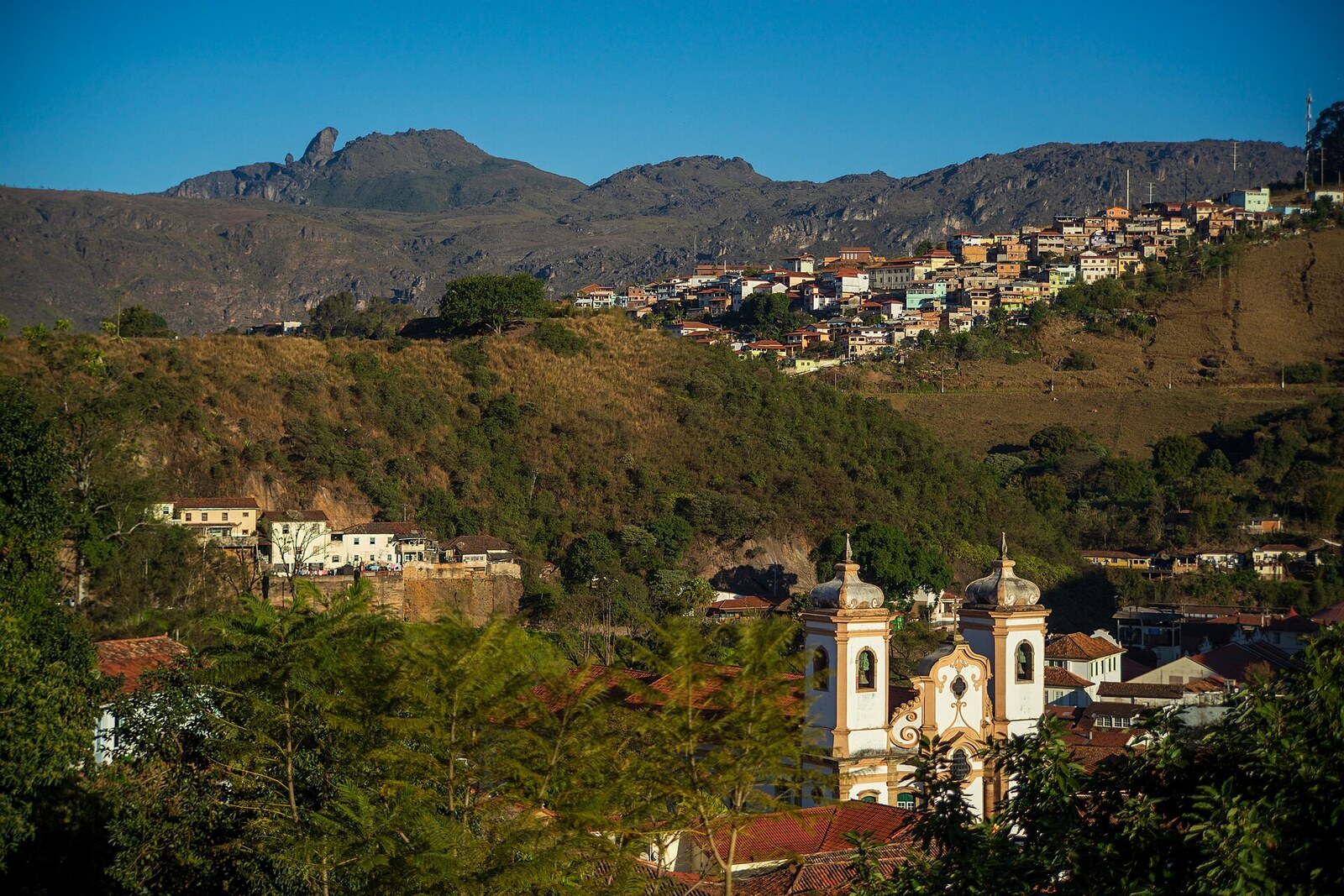
Look around first
What to notice
- Main altar
- Gilt carving
- Tabernacle
- Side altar of the Brotherhood of the Rosary
The story of the place
Pillar in the name means a column. Our Lady of the Pillar is the Virgin Mary under a Spanish title: according to an ancient church tradition, she appeared to James the Apostle on a stone pillar in Zaragoza. It is believed that devotion to this Our Lady was brought here from São Paulo by a party led by Bartolomeu Bueno, searching for gold. Her image was placed in the first wooden-and-mud chapel.
Today, Masses are held here and sacraments are performed. Pope Benedict the Sixteenth granted the church the title of minor basilica only in two thousand twelve. In the eighteenth century, it was called the matriz—the main parish church. Here people were baptized, married, given funeral rites and buried; governors were received, and the city’s most important religious services were held.
By the end of the seventeen twenties, parishioners decided to replace the cramped chapel with a larger church. The Brotherhood of the Blessed Sacrament, which oversaw the construction, first ordered a new nave to be built around the old chapel, so services could continue inside the construction site. But in seventeen thirty-one, the builders reached the altar area. The old chapel had to be demolished, and the consecrated Host kept in the tabernacle, along with the church images, had to be moved.
The Brotherhood of Our Lady of the Rosary of the Black People received them in its small Chapel of Caquende. Most of its members were enslaved people and freed mulattoes; there were many women among the brothers, as well as some poor white people. They paid contributions, which were used to help the sick, arrange funerals, and provide burials. For two years, their chapel became the parish center for all of Pilar.
In the spring of seventeen thirty-three, the new building was ready to receive worship. To bring back the sacred objects, the brothers of the Rosary laid out a street from their chapel to Pilar. On May twenty-fourth, a procession moved along it. The brotherhoods carried silver crosses and images of their patrons; members of the Brotherhood of the Rosary walked with Our Lady of the Rosary, Saint Benedict, and Saint Anthony of Categeró. Then the parish priest carried the consecrated Host beneath a canopy. The governor, the city council, and dragoons followed him.
Inside Pilar, the priests placed the tabernacle on the altar and celebrated a solemn Mass. The parish returned to its main church. The gilt carving surrounding the altar today was not yet complete at the time: in the following decades, craftsmen created and gilded the present interior.
The brothers of the Rosary commissioned Simão Ferreira Machado to write an account of the procession and paid for its publication in Lisbon. Later, the city council granted them a large plot in gratitude for the street they had laid; there they built the present Church of Our Lady of the Rosary of the Black People. Their side altar still stands in the nave of Pilar, and Rua Getúlio Vargas—the former Rua do Sacramento, laid out for the return of the sacred objects on May twenty-fourth, seventeen thirty-three—leads to the basilica.
Useful on site
Tourist visits Tue–Sun 09:00–16:45; admission by ticket. Masses daily at 07:00, and also at 19:00 on Sundays.
Checked: June 24, 2026. Check the official source before visiting.This is an active church, so let services and local rules take priority over your visit. Instead of trying to count the gold, follow how the gilding changes in different light.