 Guide On Map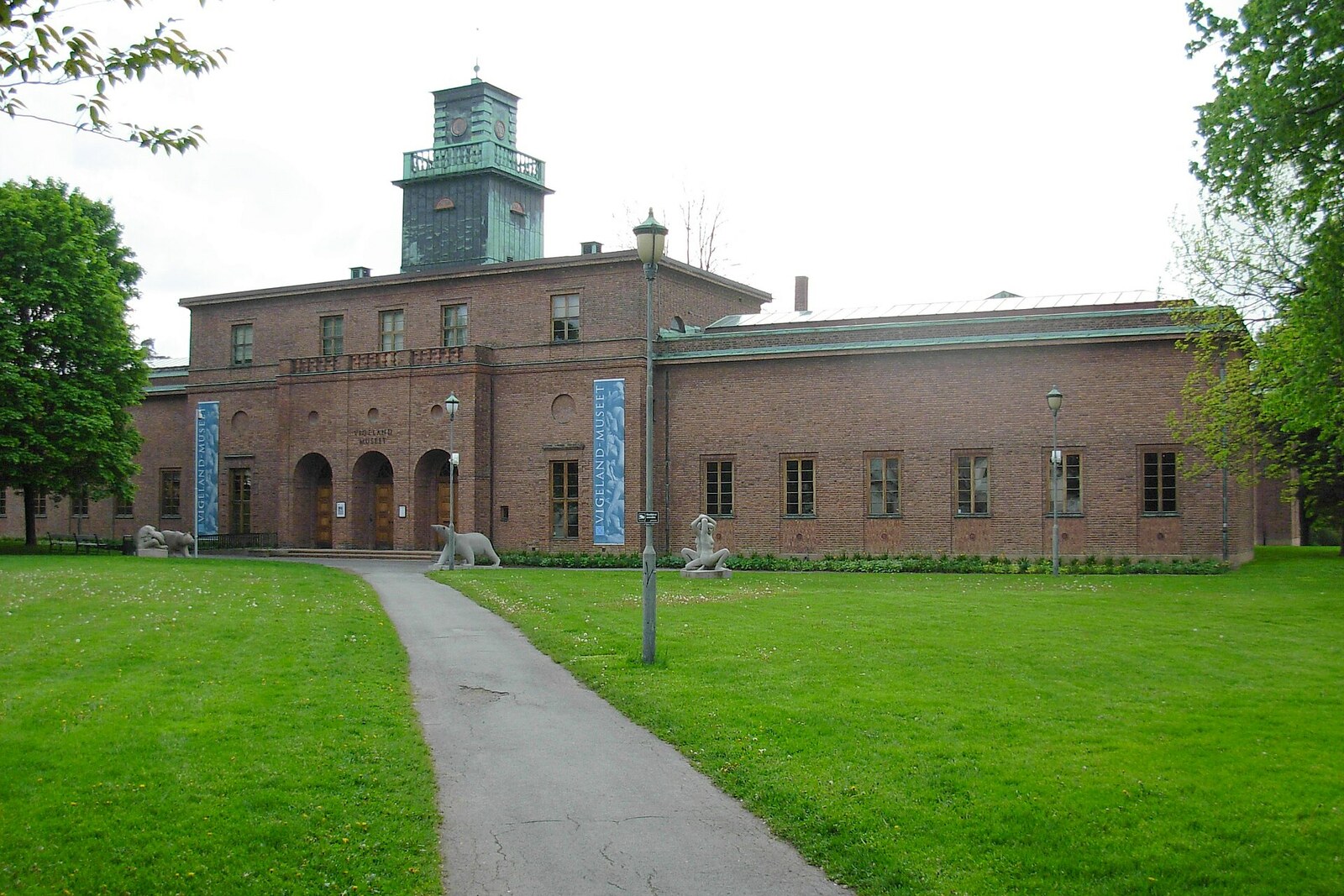
Look around first
What to notice
- Full-scale plaster models
- Former studios
- Round room of the tower
- Bronze urn
The story of the place
This building brought together under one roof studios, storage rooms, exhibition halls, and the sculptor's apartment. Here, clay figures were turned into plaster molds and then rendered in bronze or granite. That is why completed works stand in the park, while their full-scale plaster originals, including parts of The Monolith, have been preserved in the museum halls. After its owner's death, the working building opened to visitors; a bronze urn containing his ashes is kept in the round room of the tower above the former apartment.
In January nineteen nineteen, the sculptor Gustav Vigeland proposed a deal to the city. He would transfer to the municipality the sculptures, drawings, and engravings he owned, as well as the original models of everything he created in the future. In return, the city would build him a studio where he could complete the enormous fountain ensemble and keep his works together as a single collection.
Vigeland needed new premises. His studio in Hammersborg was too cramped for life-size figures and larger ones. There was no crane, no carts, and no rails for heavy models. When plaster workers took a mold from the next clay sculpture, Vigeland himself sometimes could not work in the room for weeks. The city was now planning to demolish Hammersborg's old buildings—along with the studio.
At stake was the place on which his work depended. Vigeland covered his personal expenses by selling other sculptures and wood engravings; the studio made it possible to undertake works that could not be made in an ordinary room. In exchange for the lifelong right to work in the new building, he agreed to give up ownership of the collection and of future originals.
Oslo City Council accepted the proposal. In February nineteen twenty-one, the parties signed an agreement: the building was to contain studios, storage rooms, exhibition halls, and the sculptor's apartment, and after his death it would become a public museum. Earthworks in Frogner began immediately. For a time, Vigeland intended to place the fountain directly in front of the new studio; then the ensemble was assigned a site west of the ponds. Thus the working building stood beside the park for which the models were made here.
By the autumn of nineteen twenty-three, Vigeland was already using some of the studios, and the following year he moved into the apartment upstairs. Here, clay figures were cast in plaster before being rendered in bronze or granite. That is why the park contains the completed works, while the museum halls hold their full-scale plaster originals, including parts of The Monolith.
Vigeland worked and lived in this building until his death in nineteen forty-three. In nineteen forty-seven, the studios opened to visitors on the terms he himself had proposed almost thirty years earlier. In the round room of the tower above his former apartment stands a bronze urn, designed by Vigeland, containing his ashes.
Useful on site
Mon closed; Tue–Sun 10:00–17:00, from the first Tuesday of September to the first Tuesday of June 12:00–16:00. Tickets: adults 120 NOK, seniors 100 NOK, ages 18–25 70 NOK, ages 0–17 and Oslo Pass free.
Checked: June 25, 2026. Check the official source before visiting.Plan your visit to the interiors separately and check visiting conditions in advance; the facades are accessible from outside, but not the models, apartment, or working halls.