 Guide On Map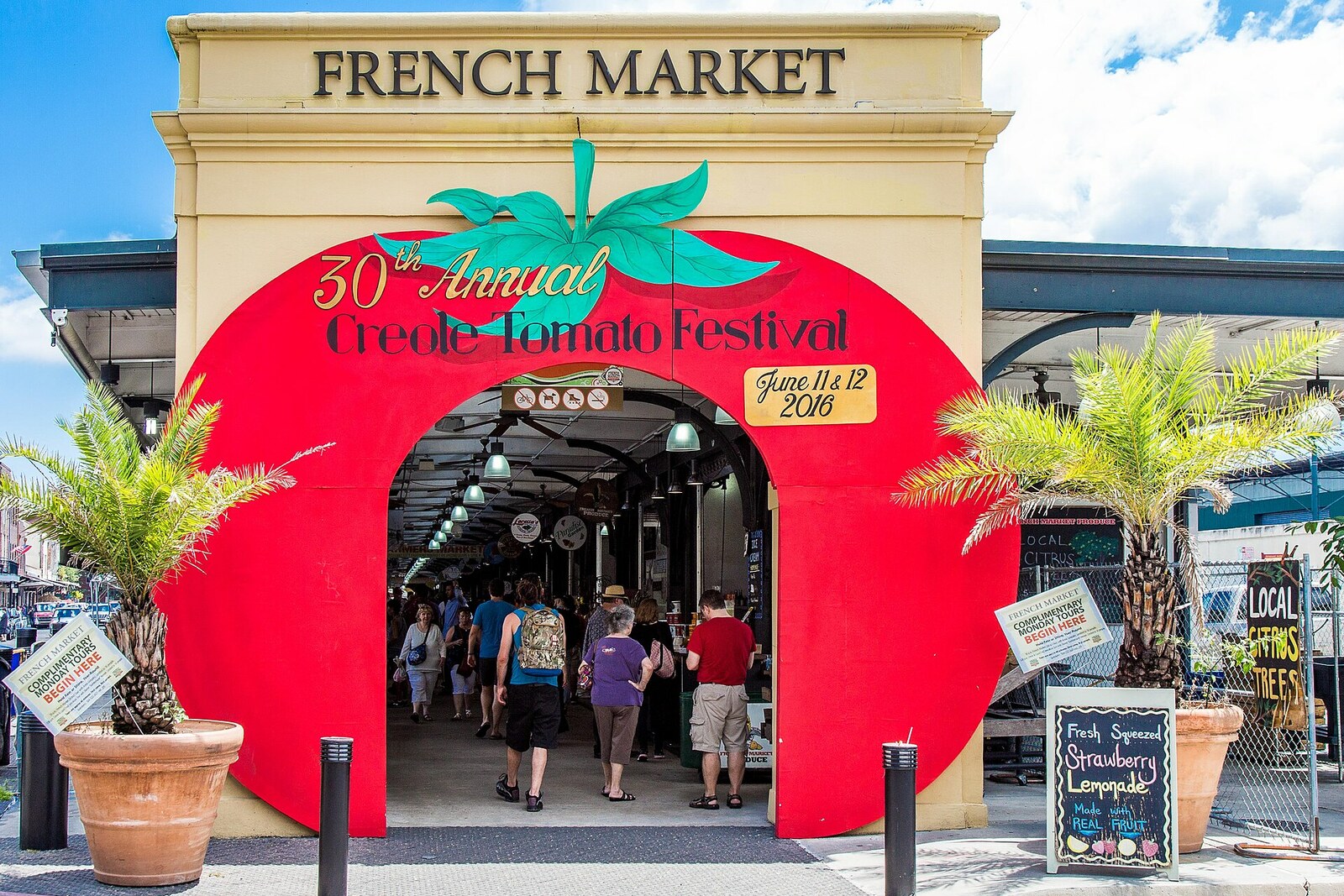
Look around first
What to notice
- Steel canopies
- Food stalls
- Rows of clothing, jewelry, and souvenirs
The story of the place
Under the steel canopies, stalls selling food, clothing, jewelry, and souvenirs stand side by side. They were built for a different kind of trade: vegetables and fruit were brought here wholesale, while restaurant owners came for goods in their own vans, loaded boxes, and paid the vendors immediately.
For decades, one of the largest vegetable stalls was run by George Lafargue Sr. His family grew part of the produce on its own plot in New Orleans's Lower Ninth Ward, and he collected the rest from local farmers. There were eleven children in the family, but only George Lafargue Jr. agreed to continue the business.
He began working as a boy. He rode in his father's truck through residential neighborhoods, handed ordered vegetables out from the truck bed, took the money, and made sure nothing was taken from the boxes. His father did not give him lessons in trade: while a customer was waiting for change, there was no time for explanations. Later, George took his place behind the family stall at the French Market, where he learned from vendors to braid garlic, choose produce, and negotiate with customers.
In the early nineteen seventies, the market was refitted with visitors in mind. After the renovation, many vegetable and fish vendors did not return: restaurants and shops took over their former places, and the rent became too expensive for some local vendors. The Lafargue family was losing the place to which restaurant buyers had come themselves for decades.
George Lafargue Jr. was fifteen when he secured a meeting with Ella Brennan, who was managing Commander's Palace. According to his recollections, that conversation began a new chapter in the family business. The Lafargues no longer waited for chefs at the stall; instead, they began bringing produce to restaurants themselves. George built a network of regular customers, opened his own shop in Terrytown in two thousand, acquired several plots, and began buying harvests from more than twenty-five farmers.
The Lafargues no longer have a permanent stall under the canopies. In June two thousand twenty-six, the fortieth Creole Tomato Festival took place here: for several days, farmers' boxes once again filled the market from which the family had once moved its trade to restaurant doors.
Useful on site
As of 2026-06-25, French Market Corporation listed Farmers & Flea Market 10:00-18:00; individual vendors and events may differ.
Checked: June 25, 2026. Check the official source before visiting.This is an active market: do not linger in front of stalls unnecessarily, and ask permission before taking close-up photographs of vendors or their goods.