 Guide On Map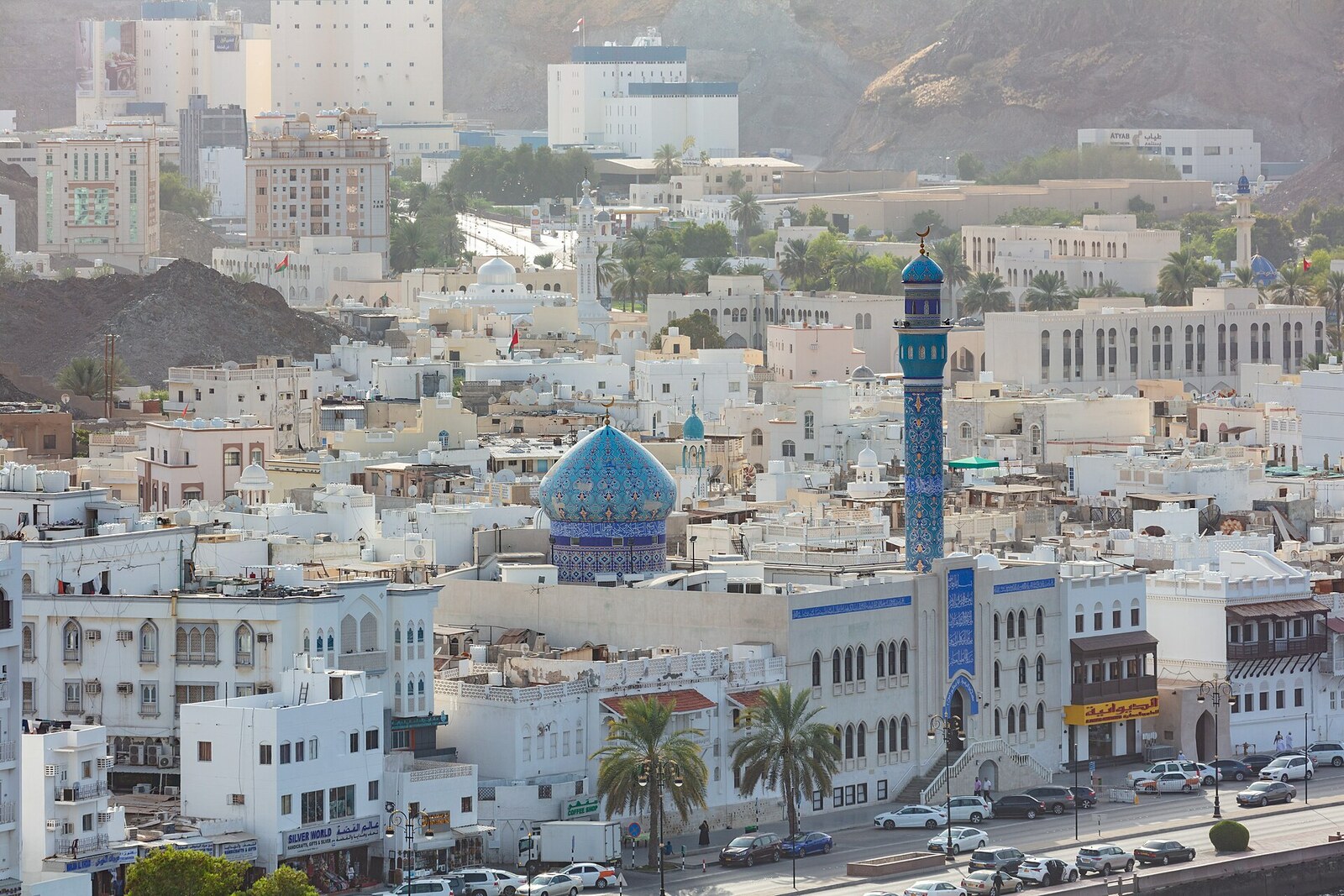
Look around first
What to notice
- Sur al-Lawatiya arch
- Quarter wall
- Residential facades behind the gates
The story of the place
The name preserved above the arch is translated as the fortified enclosure of the Lawati. Merchant families lived behind this wall, keeping goods warehouses beside their homes and gathering for shared affairs and prayer. At night, two passageways were locked, and an outsider was usually accompanied by one of their own; the residential facades beyond the arch still mark this boundary.
In the first half of the twentieth century, Haji Bakr Abd al-Latif, a prominent merchant and the future head of the Lawati community, instructed his son Jaafar to find an English teacher in India. Bakr needed people able to handle correspondence and accounts with overseas offices. One of the family’s agents sent a teacher named Bunji to Mutrah. A private school for the city’s children opened south of the wall of the merchant quarter.
Bakr ran the business his father had founded in eighteen ninety-five. The family firm serviced ships, obtained foreign agencies, exported dates and dried fish, and maintained offices from Basra to Karachi. A mistake in a bill of lading or a letter could cost a shipment of goods. Bunji’s pupils learned English beside the port, where it was a working tool. Later, Bakr hired the school’s graduates for his overseas offices.
There was almost no other accessible education in Mutrah. A government school did not open here until nineteen fifty-nine. Local merchants and teachers maintained private classes, attended by Shiite, Sunni, and Ibadi children. Indian textbooks, English commercial vocabulary, and bills from shops reached school desks by the same sea route as goods.
The name above the arch—Sur al-Lawatiya—means the fortified enclosure of the Lawati. This was the name given to the Shiite merchant community whose family ties extended to Kutch and Sindh on the Indian subcontinent. The Lawati themselves explain their origins in different ways, but their occupation is known for certain: together with Hindu merchants, they acted as intermediaries in Omani imports and exports.
Inside the enclosure stood homes, warehouses, and rooms for meetings and prayer. Two gates were locked at night; an outsider was usually admitted when accompanied by a member of the community. Researchers debate what mattered more in this arrangement: security, family privacy, or religious separation. Bakr’s school shows the documented side of this boundary: families lived behind the wall, while children from all of Mutrah were taught outside it.
The school’s exact building can no longer be identified with confidence: all that is known is that it stood south of the enclosure. The arch survives. Behind it remain the community’s private homes, while on the outside, pupils once sat at desks before moving on to office desks in the ports of the Indian Ocean.
Useful on site
Viewing from public streets only. Residential gates, courtyards, and passageways are not included in the route.
Checked: June 24, 2026. Check the official source before visiting.Stay in front of the gates: this is a residential quarter, not a walk-through attraction. Do not photograph residents without permission.