 Guide On Map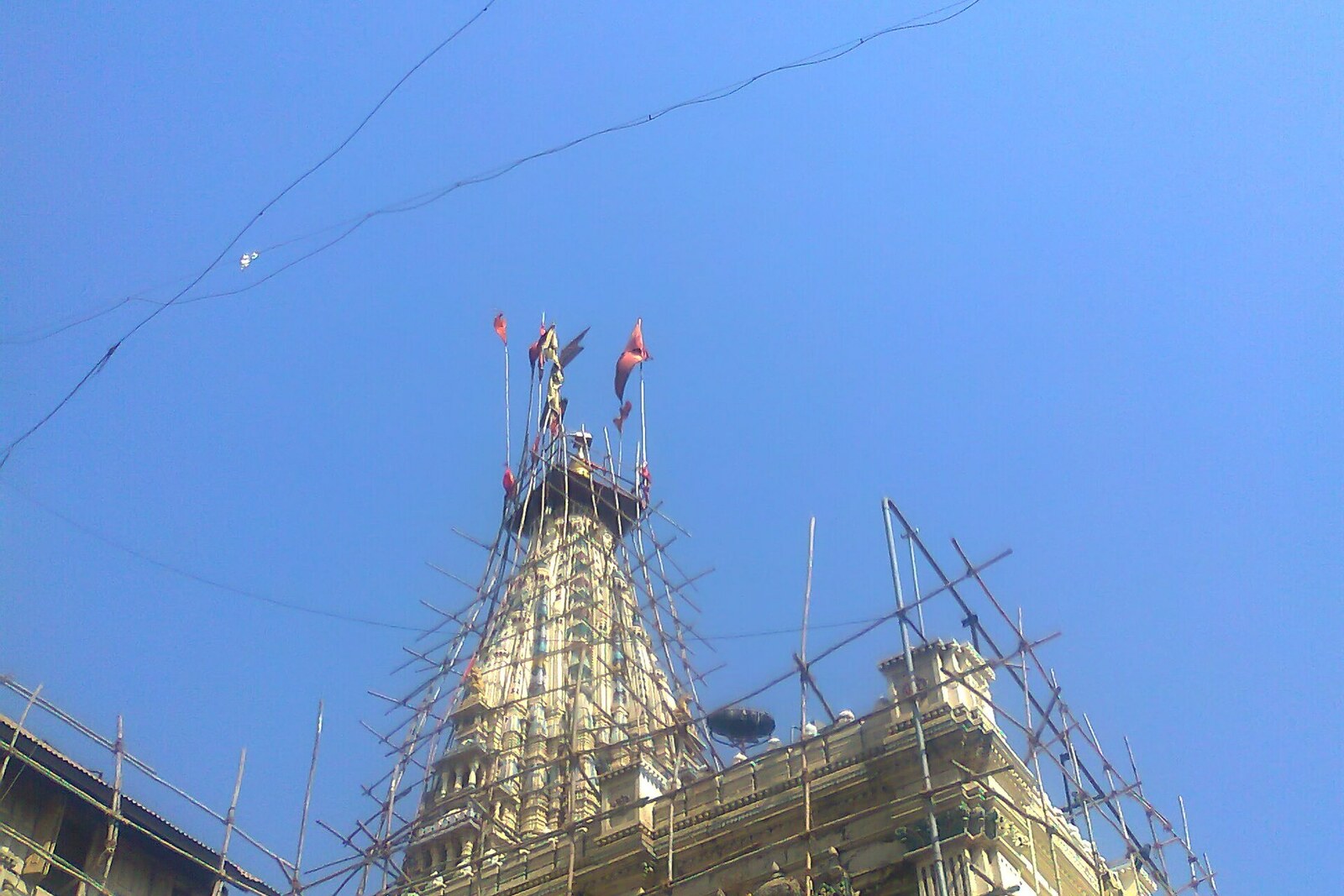
Look around first
What to notice
- The image of Mumba Devi without a mouth
- Silver crown
- Metal tiger
- Shops with garlands and coconuts
The story of the place
Amid the market rows is a Hindu shrine where people bring coconuts, garlands, and camphor. Inside, the revered image of the goddess is shown without a mouth, beneath a silver crown and heavy gold necklaces; a metal tiger stands before it. Nearby are altars to other deities, especially important to families who came here from India's western regions.
The temple appeared here before the present jewelry quarter took shape around it. Yet the man who moved the shrine to Bhuleshwar himself made his living from gold.
Mumba Devi means “the goddess Mumba.” The Koli—fishing communities who inhabited the islands before the large city appeared—regarded her as their patroness. The name Mumbai is also linked to the goddess's name: ai means “mother” in Marathi. Tradition names a fisherwoman, Mungu, as the founder of the first shrine, but no reliable information about her has survived.
The old temple stood near Phansi Talao—the Gallows Pond—roughly on the site of today's Chhatrapati Shivaji Terminus. In the middle of the eighteenth century, the colonial administration of Bombay at the time—today's Mumbai—was expanding the fortifications. A clear field of fire was needed before the fort, and the East India Company acquired the plot with the shrine and ordered it removed.
A new site was allocated here. Construction was entrusted to Pandurang Shivaji, an influential goldsmith and merchant. He built the temple and began managing it. For Pandurang, this meant many years of responsibility for the shrine's donations, rituals, and property; after his death, his descendants administered all of this.
Family management ended with a court case. In eighteen eighty-eight, the most senior lawyer in the colonial administration accused Vasudev Lakshman—the husband of Pandurang's granddaughter and the manager at the time—of misappropriating temple funds. About ten years later, the court removed the family and transferred the temple to a committee of trustees.
By then, Bhuleshwar had already filled with merchants who had moved from Gujarat and neighboring regions. Many of the new trustees belonged to the Gujarati mercantile community. Researchers link this change of managers to the growing number of Gujaratis among the worshippers and to the gradual alignment of local rituals with pan-Indian Brahmanical rules. The connection with the Koli was not broken: as late as the early twentieth century, newlyweds from fishing families were brought here to offer Mumba a coconut, cloth, or an ornament.
At the shops around the temple, people buy garlands, coconuts, camphor, and other offerings. In the main shrine stands an image of Mumba without a mouth, wearing a silver crown and gold necklaces; a metal tiger is placed before it. Nearby are altars to Jagannath, Balaji, and other deities especially revered by people from Gujarat and Rajasthan. A goldsmith moved the goddess of fishermen here, his descendants lost the temple after a court case, and the ancient name remained above the jewelry bazaar and with the whole city.
Useful on site
Officially: darshan daily 06:30-20:55; the temple closes at 21:00.
Opening hours by day
Leave your shoes where the attendants indicate, and follow the flow of the queue. Rules on photography inside may be strict, so follow the signs and the temple's direct instructions.