 Guide On Map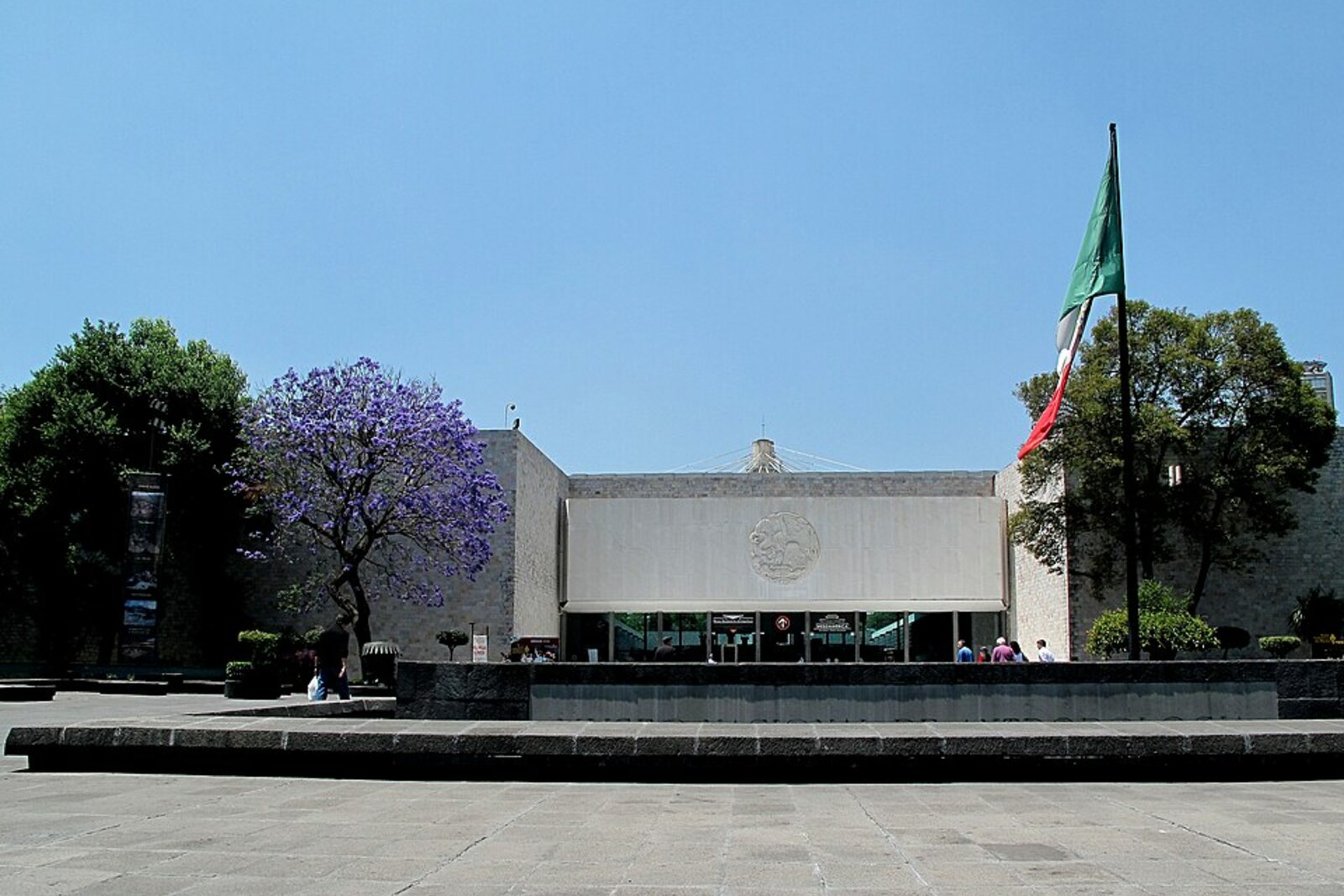
Look around first
What to notice
- Obsidian vessel in the shape of a monkey
- Monumental stone sculptures
- Architectural fragments
- Archaeological display cases
The story of the place
By the early nineteen sixties, the national archaeological collection no longer fit in the old building of the Mexican Mint in central Mexico City. Minister of Education Jaime Torres Bodet secured the construction of a new museum, and architect Pedro Ramírez Vázquez was assigned to erect the building and move the collection here within nineteen months. The site was chosen near Paseo de la Reforma, in Chapultepec: thousands of people could come here, and its size made it possible to display monumental stone sculptures, funerary ornaments, and entire architectural fragments together.
The museum opened on September seventeenth, nineteen sixty-four. The lower floor was devoted to the archaeology of the peoples of Mexico, and the upper floor to the ethnography of the Indigenous peoples living in the country today. This explains the word “anthropology” in its name: ancient objects and the ways of life of the people to whom this heritage belongs are displayed here.
The exhibition of Aztec culture was arranged around five especially important objects. At the intersection of two passages stood a small vessel of black obsidian in the shape of a monkey. The artisan had to carve its rounded body from volcanic glass and polish it without splitting the stone; the animal’s tail serves as a handle. Because of its place in the gallery, the vessel helped visitors find their way among the large sculptures.
Carlos Perches Treviño and Ramón Sardina García, two veterinary students preparing a theft, surveyed this arrangement for several months. They came to the museum as ordinary visitors, memorized the guards’ rounds, and selected small objects they considered especially valuable. Both risked their future profession and their freedom for objects for which they had neither a legal buyer nor a resale market of their own.
On the night of December twenty-fifth, nineteen eighty-five, they climbed over the fence on the Paseo de la Reforma side, crossed the garden, descended to the service section, and entered the galleries through ventilation ducts. The guards on duty were supposed to patrol the enormous complex every two hours, but on Christmas night they gathered in one place and made no rounds.
Perches and Sardina had about three hours. They opened display cases and packed jade ornaments from Palenque, objects from the Sacred Cenote of Chichén Itzá, gold from Oaxacan burials, a mask of the bat god, and the obsidian monkey into bags. The final catalog counted one hundred twenty-four stolen objects; initially, the museum announced one hundred forty. The loss was discovered only by the morning shift.
Investigators sent photographs of the stolen objects to one hundred fifty-eight countries. Friends of the museum raised a substantial reward for information. The thieves realized that the most famous objects could not be shown to a buyer without giving themselves away. They took a bag to Perches’s parents’ home and hid it in the closet in his bedroom. The person who had expected to control the treasures of pre-Columbian Mexico continued living beside them in his parents’ home.
Later, Perches left for Acapulco and tried to find intermediaries among drug dealers. One of his new acquaintances came under investigation and disclosed the antiquities in exchange for leniency. In June nineteen eighty-nine, the police returned to Perches’s parents’ home and found one hundred eleven objects there, wrapped in paper and packed in a sports bag. Perches was arrested and sentenced to imprisonment. The investigation never found Sardina.
After the theft, museum staff installed an electronic alarm system and cameras and reorganized security; the new requirements were extended to other institutions of the National Institute of Anthropology and History. The obsidian vessel was returned to the Aztec culture gallery. The object placed by the architects at the intersection of the main passages had lain for almost four years in the closet in the bedroom of one of the thieves.
Useful on site
Verified 2026-06-29: Tuesday–Sunday 9:00–19:00; closed Monday. General admission 210 Mexican pesos, 105 for citizens and residents; free Sunday admission applies to citizens and residents under the official rules.
Checked: June 29, 2026. Check the official source before visiting.The monolith can be viewed from outside; if you enter the museum, limit your visit in advance to a few selected galleries.