 Guide On Map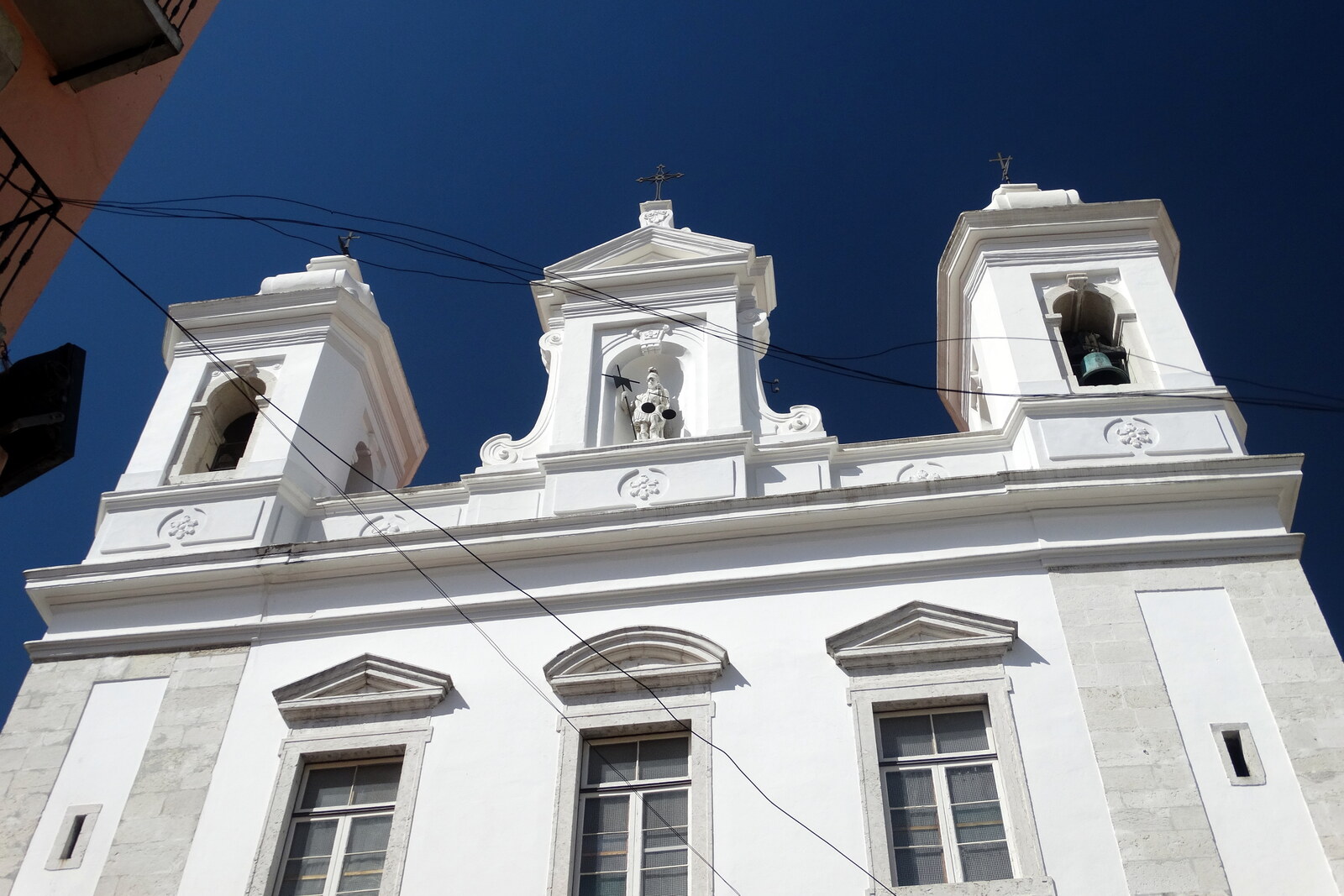
Look around first
What to notice
- The gilded high altar
- Figures of the four Evangelists
- Figure of Archangel Michael
- The side panels and ceiling of the altar area
The story of the place
Church of São Miguel brings together the memory of a medieval parish and later Baroque decoration. A church dedicated to the archangel already stood on this site; his name remained with the parish, the square, and the neighboring street. At the back, a tall gilded wooden composition is visible: Michael remains among the carvings, with the four Evangelists placed beside him. The parish’s principal Mass is celebrated here, so changes to the altar area affected the shared center of church life.
In seventeen twenty-three, lay members of the Confraternity of the Blessed Sacrament decided to dismantle this church’s high altar. The previous one was not yet twenty-five years old. The confraternity managed parish donations and was responsible for the part of the church where the consecrated elements were kept and Mass was celebrated. Its members wanted a new altar worthy of the parish’s principal ceremony, and they hired the woodcarver Manuel de Brito.
De Brito lived on commissions like these: he was paid for the design, the carving, and the work of his workshop. He began the tall wooden structure behind the altar, but left it unfinished and suddenly departed for Rio de Janeiro. The documents do not explain why the master went to Brazil at precisely that time. They reveal something else: de Brito demanded the unpaid balance under the contract, and the confraternity refused to pay.
The master was already across the ocean, so his legal representative handled the lawsuit in Lisbon. The confraternity was losing, filed further appeals, and again refused to settle the debt. The dispute ended only after a threat to imprison the confraternity’s chairman. The money was sent to de Brito in Brazil. There, he soon received a commission for the high altar of a church belonging to a Franciscan confraternity in Rio and brought into the new work techniques tested here in Alfama.
Meanwhile, the Lisbon parish needed a completed altar. The confraternity hired the woodcarvers Manuel Nunes and Félix Adauto da Cunha. They completed the structure that had been left behind and carved figures of the four Evangelists. The patrons paid, inspected the result, and decided to redo the side panels and the ceiling of the altar area. In seventeen twenty-seven, the master Santos Pacheco de Lima dismantled Adauto da Cunha’s carving and replaced it with his own. Another two years went into gilding.
The earthquake of seventeen fifty-five damaged the church’s towers and ceiling, yet a substantial part of the old building and its gilded decoration survived. The present high altar is still the result of that chain of contracts: de Brito began the central structure, Nunes and Adauto da Cunha brought the commission to completion, and Pacheco removed part of the already paid-for work and carved it anew.
The altar depicts Archangel Michael, leader of the angelic host in Christian tradition. The medieval church that once stood on this site was also dedicated to him; the documents do not preserve who exactly chose the patron. The parish’s name passed to the square and the neighboring street. The figure of Michael remains among the carvings over which one master litigated from Brazil, another master’s work was dismantled, and the chairman of the patrons nearly went to prison.
Useful on site
The exterior can be viewed at any time. The local church directory lists Monday–Saturday from 10:00 to 18:00 and Sunday from 08:00 to 22:00, but before entering it is best to check the schedule on the door or at the parish. Checked 2026-06-29.
Checked: June 29, 2026. Check the official source before visiting.Do not count on guaranteed access inside. If the door is closed, use this stop to sense the height, the cramped character of the neighborhood, and the church’s position among residential buildings.