 Guide On Map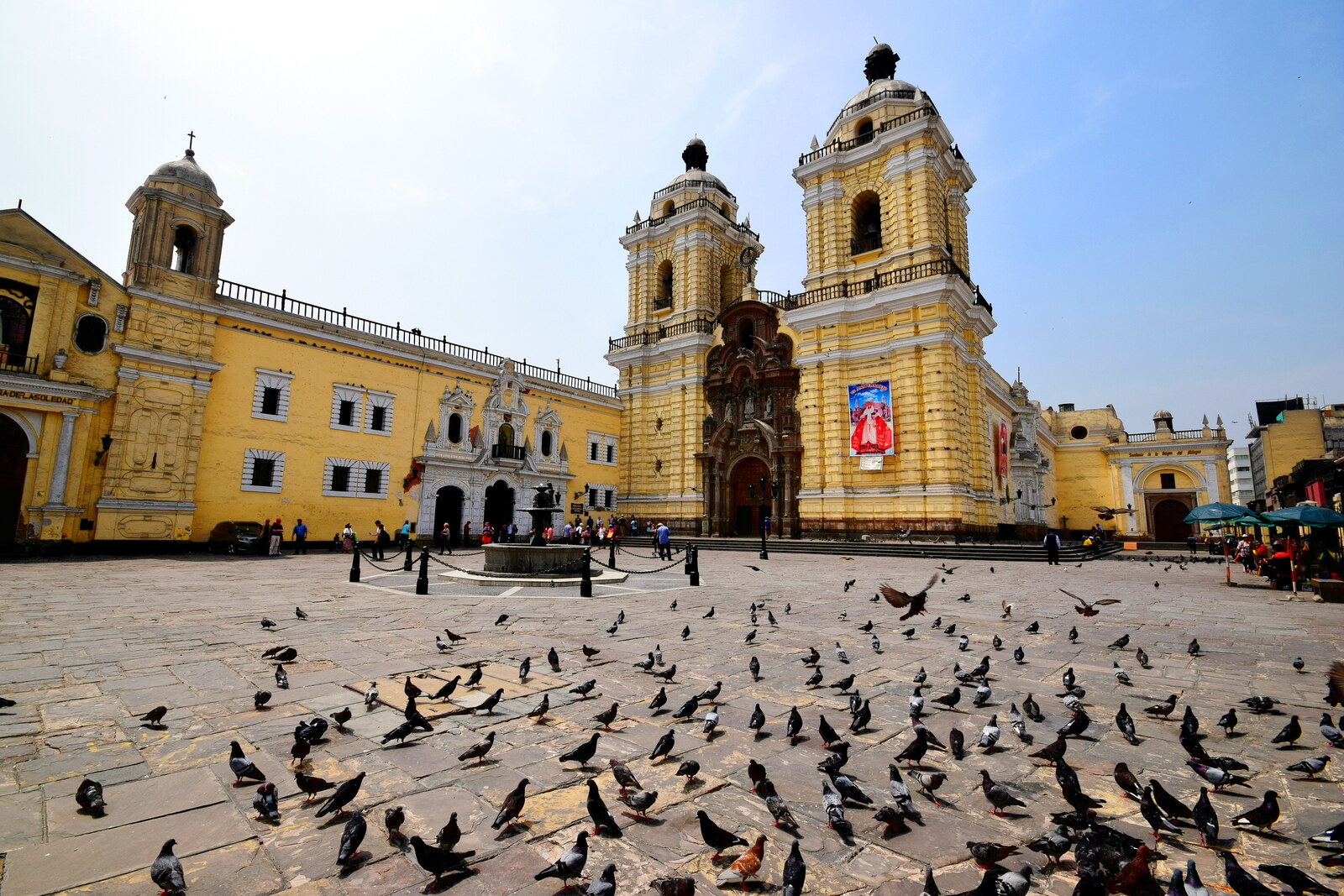
Look around first
What to notice
- Brick vaults
- Ossuary wells
- Openings between burial vaults
- The long brotherhood burial vault
The story of the place
Beneath the church's right aisle runs a long brick vault divided into burial compartments. Members of the city's brotherhoods collected dues and alms into a shared treasury, which they used to help the sick and pay for requiem services and funerals. These associations included free and enslaved people. The grate over the deep well for remains recalls why there are so many bones underground: freed niches were used again, and the earlier remains were transferred there.
The Franciscans dedicated this convent in Lima to Francis of Assisi, the founder of their order. Beneath the church, they set aside rooms for burials. The present-day catacombs grew out of separate burial vaults: each was managed by monks, the owners of a family chapel, or one of the city's brotherhoods.
Brotherhoods were associations of laypeople with a shared chapel and treasury. In seventeenth-century Lima, the brotherhoods of Black townspeople included free and enslaved men and women. They paid dues and collected alms, and spent the shared funds on helping the sick, requiem Masses, and funerals. Among people whose families had been torn apart by the slave trade, a brotherhood gave the deceased a place beside those who called him a fellow brother.
On November twenty-eighth, sixteen forty-six, Diego de Avendaño and Manuel, two elected stewards of the Brotherhood of Our Lady of the Kings, entered into a contract with the master mason Francisco Díaz. The notary recorded that Manuel belonged to the Wolof people of West Africa. The stewards sought a burial vault of their own beneath the brotherhood's chapel. Bartolomé de Aguilar, the brotherhood's Franciscan chaplain, took part in the deal with the permission of the convent leadership.
Díaz undertook to lay a brick vault thirty varas long—about twenty-five meters. Inside, thirty-six burial compartments were to be made, and more if there was room. The Franciscans allowed the underground space to extend beyond the boundaries of the brotherhood's chapel. This was a significant concession: above ground, the brotherhood occupied one small chapel; below, it received a long funerary hall.
The contract also provided for a deep ossuary well covered by a grate. A second such well was being built outside the church specifically for bones and bodies removed from the chapel. A burial compartment did not remain with one person forever. When space had to be freed, the remains were transferred to a communal ossuary. That is why there are so many bones underground: they are the result of repeatedly reusing limited space, not of a single mass burial.
Ten years later, part of the old church collapsed. The Franciscans decided to replace the enclosed side chapels with open aisles and began building a new church. Builders broke openings through the walls of neighboring burial vaults—probably at first to remove earth and bring in materials. Stairways that had previously been inside private chapels ended up beneath the publicly accessible church floor. The brotherhoods lost their exclusive entrance to their underground spaces; the monks paid them no compensation. The separate burial vaults became connected into the network now called the catacombs.
After the city cemetery opened in eighteen oh eight, burials began to be moved from churches beyond the old center. Today, guides lead visitors through the connected corridors. Beneath the right aisle, the long burial vault of the Brotherhood of Our Lady of the Kings can still be identified, and the openings in its walls show where builders broke through to the neighboring crypts.
Useful on site
The official museum page lists 09:00–18:00 daily; the Ministry of Culture museum portal gives 09:00–20:15. For safe planning, use the 09:00–18:00 window and check on the day of your visit.
Checked: July 1, 2026. Check the official source before visiting.Descend into the catacombs only along the permitted route, and do not touch the remains or brickwork. If the underground area is inaccessible or uncomfortable, stay above ground: the history of the foundation and reconstruction can be understood without descending.